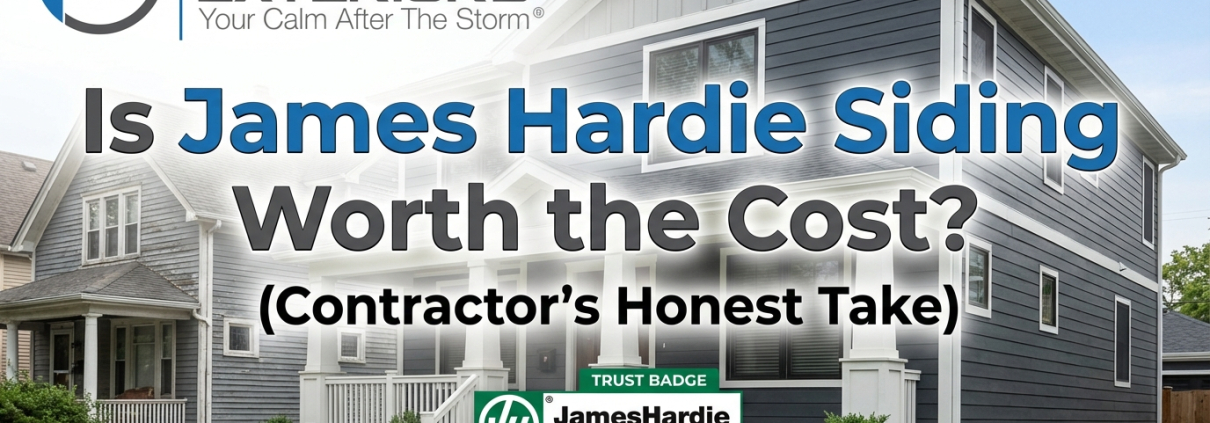
A gray house with James Hardie Siding and a neat lawn is shown next to text featuring a contractor review of James Hardie siding cost. is james hardie siding worth it comparison exterior

If you are a homeowner in Chicago or the surrounding Illinois suburbs, you have likely heard the name James Hardie mentioned in every conversation about exterior remodeling. It is the titan of the industry, often touted as the ‘gold standard’ for siding. However, when you receive your first official quote, the initial reaction is usually a bit of sticker shock. As contractors with over 25 years of experience at Revived Exteriors, we hear the same question every week: Is James Hardie siding actually worth the premium cost?

Many homeowners ask the same question before signing a contract: is James Hardie siding worth it compared to vinyl or engineered wood?

The short answer is yes, but the long answer involves understanding that you aren’t just paying for a brand name; you are paying for a complete shift in material science, longevity, and home protection. In this deep dive, we are pulling back the curtain on the contractor side of things—the labor difficulties, the material risks, and the long-term ROI—to help you decide if fiber cement is the right investment for your property.

Featured Snippet Answer: Is James Hardie Siding Worth It? A Contractor’s Honest Verdict?

Is James Hardie Siding Worth It Compared to Vinyl and Cedar?

So, is James Hardie siding worth it when you compare it to vinyl or natural cedar? The answer comes down to how long you plan to stay in your home, how much maintenance you’re willing to deal with, and whether you value long-term durability over the lowest upfront price.

The cost comparison below shows how James Hardie fiber cement stacks up against vinyl siding and natural cedar siding in terms of material cost, installation difficulty, and total installed price.

Siding TypeMaterial CostInstallation DifficultyTypical Installed Cost
Standard Vinyl Siding$6.00 – $7.00 per sq ftLow$8.50 – $11.00 per sq ft
James Hardie Fiber Cement$8.50 – $11.00 per sq ftHigh$11.50 – $18.00 per sq ft
Natural Cedar Siding$12.00 – $15.00 per sq ftMedium$15.00 – $25.00 per sq ft

This comparison helps homeowners decide whether James Hardie siding is worth the higher upfront cost compared to vinyl or cedar siding, especially in Illinois climates where freeze-thaw cycles, wind, and moisture exposure matter.

From a contractor’s perspective, vinyl siding makes sense for homeowners prioritizing the lowest initial investment. Cedar offers a premium natural look but comes with higher maintenance and long-term u

Yes, James Hardie siding is worth the cost for homeowners seeking a 30+ year siding solution with high ROI, superior fire resistance, and minimal maintenance. While the upfront installation price is typically 40-50% higher than vinyl, its long-term durability, impact resistance, and insurance benefits significantly outperform cheaper alternatives.

1. The Honest Contractor’s Verdict: Is James Hardie Actually Worth the Premium?

From a contractor’s perspective, the “worth” of a product isn’t just about how it looks on day one; it’s about how many callbacks we get five or ten years down the road. James Hardie fiber cement is composed of a specialized mix of Portland cement, sand, and cellulose fibers. This combination creates a board that is dimensionally stable, meaning it doesn’t expand and contract like vinyl or rot like wood. For a homeowner, this translates to a product that stays beautiful and functional for decades.

The “Forever Home” Philosophy

If you plan on living in your home for less than five years, the premium cost of James Hardie might not be fully realized in your tenure. However, if this is your “forever home,” Hardie is almost always the better choice. It offers a level of permanence that other materials simply cannot match. When we install Hardie, we are installing peace of mind. You won’t have to worry about melting siding during a backyard barbecue or panels blowing off during a Chicago windstorm.

Curb Appeal and Authenticity

One major reason contractors recommend Hardie is its aesthetic versatility. Unlike vinyl, which often has a plastic-like sheen, James Hardie boards have a deep, embossed wood grain that mimics cedar perfectly. It provides the heavy, architectural shadow lines that high-end homes require. For homeowners looking to maintain the historical integrity of an Illinois suburb home while upgrading to modern materials, the visual appeal alone often justifies the price tag.

2. The Cost Breakdown: Upfront Material vs. Labor Intensity

To understand the cost, you have to look at the two main components: materials and labor. James Hardie is significantly more expensive to manufacture than vinyl. The raw ingredients—cement and sand—are heavier and more costly to process than the PVC used in vinyl siding. Additionally, the proprietary ColorPlus® Technology, which involves multiple coats of baked-on finish, adds to the material expense but saves you from the immediate need for painting.

Comparison Table: Estimated Cost per Square Foot

Siding TypeMaterial CostInstallation DifficultyTypical Installed Cost
Standard Vinyl Siding$6.00 – $7.00 per sq ftLow$8.50 – $11.00 per sq ft
James Hardie Fiber Cement$8.50 – $11.00 per sq ftHigh$11.50 – $18.00 per sq ft
Natural Cedar Siding$12.00 – $15.00 per sq ftMedium$15.00 – $25.00 per sq ft

The Hidden Costs of Accessories

It’s not just the planks themselves. A proper James Hardie installation requires specialized trim (HardieTrim®), specific fasteners, and high-grade sealants. Many contractors also recommend using HardieWrap® weather barriers to ensure the 30-year warranty remains valid. When you see a James Hardie quote, remember that it often includes a more robust underlying system than a standard vinyl job, which contributes to the higher price but also the superior protection.

3. Why Labor Costs 2x More than Vinyl (The Specialist’s Perspective)

One of the biggest contributors to the cost of James Hardie siding is the labor. Unlike vinyl, which can be cut with a simple pair of snips and hung relatively quickly by a small crew, James Hardie requires a highly skilled, specialized team. The physical demands of the material are significant; fiber cement is heavy, weighing roughly 2.3 pounds per square foot. This means a single 12-foot board can weigh over 20 pounds, requiring two people to handle it safely and prevent breakage.

The Silica Dust Reality

A critical factor that many homeowners don’t realize is the impact of OSHA regulations regarding crystalline silica dust. When fiber cement is cut, it releases dust that can be hazardous if inhaled. To comply with safety standards, contractors must use specialized PCD (polycrystalline diamond) tipped blades and HEPA-filtered vacuum systems attached to their saws. These tools are expensive and the setup time is longer, which naturally drives up the labor cost for the project.

Structural Weight Considerations

In some cases, especially with older homes common in the Chicago area, a contractor must evaluate whether the existing wall structure can support the added weight of fiber cement. While most modern homes are built to handle it, older homes might require minor reinforcements or specific fastening patterns to ensure the siding doesn’t pull away from the studs over time. This expertise and careful evaluation are part of the “premium” you pay for when hiring a qualified James Hardie installer.

4. Durability Beyond the Marketing: Fire, Pests, and ‘Bombproof’ Protection

James Hardie often uses the term “hardie-zone” to describe how they engineer their products for specific climates. In Illinois, we are in HZ5, meaning the boards are specifically formulated to resist the freeze-thaw cycles and heavy snow of our Midwestern winters. But the durability goes much further than just weather resistance. Fiber cement is virtually immune to the things that destroy other siding types.

Fire Resistance (Class A)

James Hardie siding is non-combustible and carries a Class A fire rating. This is a massive selling point in densely populated Chicago neighborhoods. If a fire starts in a neighbor’s house or a nearby grill gets too hot, James Hardie will not melt or act as fuel for the fire. Vinyl, conversely, can melt from the heat of a nearby fire within seconds, exposing your home’s flammable wood sheathing. Many insurance companies offer discounts for homes with fiber cement siding due to this safety feature.

According to independent testing and manufacturer data, fiber cement siding is classified as non-combustible and provides superior fire resistance compared to vinyl.

James Hardie fiber cement siding performance standards

Pest and Woodpecker Protection

Have you ever dealt with woodpeckers or termites? If you have wood or engineered wood siding, these can be a nightmare. James Hardie is literally made of rock and sand; pests have no interest in it. It won’t be pecked through by birds or eaten by carpenter ants. This level of protection saves homeowners thousands of dollars in potential repairs and pest control treatments over the life of the siding.

5. James Hardie vs. LP SmartSide: A Professional Trade-Off Analysis

The most common competitor to James Hardie is LP SmartSide, which is an engineered wood product. From a contractor’s perspective, both have pros and cons. LP SmartSide is lighter and less fragile, making it easier to transport and install. However, when we talk about total material integrity, Hardie still holds the edge in certain categories. Because LP is wood-based, it still technically has the potential for moisture absorption if the edges aren’t sealed perfectly.

The Fragility Factor

One “hidden” reality contractors deal with is that James Hardie is brittle until it is fastened to the wall. It can crack or snap if carried flat rather than on its edge. This means homeowners must ensure their contractor has a sophisticated supply chain and handling process. At Revived Exteriors, we take extra care during the unloading process because a single hairline fracture in a board can compromise the installation if it’s not caught and discarded.

Moisture Management Differences

While LP SmartSide is treated with zinc borate to resist rot, James Hardie’s fundamental composition is inorganic. This makes it naturally more resistant to the humid summers and wet springs of the Illinois climate. If you want a material that will never rot, regardless of the treatment, fiber cement is the objective winner. However, LP is often chosen by homeowners who want the look of Hardie but have a slightly stricter budget, as the labor for LP is generally lower.

6. The Hidden ‘Warranty Killers’: Installation Mistakes That Cost Homeowners Thousands

James Hardie offers a stellar 30-year non-prorated limited warranty. However—and this is a big however—that warranty is contingent on strict adherence to the James Hardie Installation Best Practices manual. This manual is over 100 pages long, and many general contractors who aren’t specialists frequently make errors that legally void the warranty. This is where the true cost of a “cheap” contractor comes into play.

Common Clearance and Gapping Errors

Hardie requires specific clearances from various surfaces. For example, there must be a 6-inch clearance between the siding and the grade (ground) and a 1/4-inch to 2-inch clearance from roof lines. If a contractor installs the siding touching the shingles or directly on the grass, moisture will wick into the board, and James Hardie will not honor the warranty when the board begins to delaminate. These “minor” mistakes are the most common reason for siding failure.

The Touch-Up Paint Pitfall

When using ColorPlus® Technology boards, contractors must use the James Hardie touch-up kits for cut edges and nail heads. A common mistake is using the touch-up paint over large areas or for “fixing” a scratch that is too large. Because the factory finish is baked on and the touch-up paint is air-dried, they will age and fade at different rates. If applied improperly, your house can end up looking “patchy” within 3-5 years. A specialist knows exactly where and how to use these kits to maintain the aesthetic integrity.

7. Lifecycle Value: ROI, Insurance Savings, and Resale Appeal

When analyzing whether James Hardie is worth the cost, you must look at the Return on Investment (ROI). According to Remodeling Magazine’s annual ‘Cost vs. Value’ report, fiber cement siding consistently ranks as one of the top home improvement projects for recouping costs. On average, homeowners can expect to recoup 69% to 80% of the project cost in added home value immediately upon completion.

Resale Appeal and Buyer Confidence

In competitive real estate markets like Naperville, Arlington Heights, or Chicago’s North Shore, “James Hardie Siding” is a powerful phrase in a listing description. It signals to potential buyers that the previous owner did not cut corners. It creates an immediate sense of luxury and durability that can lead to faster sales and higher closing prices. For many buyers, seeing Hardie means they won’t have to worry about siding for the next 30 years, which is a massive incentive.

Maintenance Savings Over Time

While wood siding requires repainting every 3-5 years and vinyl may need professional cleaning or replacement after a hail storm, James Hardie with ColorPlus® Technology only requires occasional washing with a garden hose. The paint is warrantied for 15 years against peeling and cracking. If you calculate the cost of three professional paint jobs over 15 years for a wood-sided home, the James Hardie premium often pays for itself in maintenance savings alone.

8. Final Decision Guide: When to Choose Hardie and When to Stick with Vinyl

At Revived Exteriors, we want our clients to make the best decision for their specific situation. James Hardie is an incredible product, but it isn’t the right choice for every single homeowner. To help you decide, we have put together a quick checklist based on our 25 years in the field. Ultimately, the decision comes down to your budget, your timeline, and your goals for your property.

Choose James Hardie If:

  • You plan to stay in the home for more than 7-10 years.
  • Fire resistance and safety are top priorities for your family.
  • You want the most authentic look of real wood without the maintenance.
  • You want to maximize your home’s resale value and curb appeal.
  • Your budget allows for a higher upfront investment for long-term peace of mind.

Choose Vinyl If:

  • You are renovating a rental property where ROI is purely about immediate cash flow.
  • Upfront budget is your primary constraint.
  • You are looking for a quick aesthetic refresh before selling the home immediately.
  • The home’s current market value does not justify a premium exterior upgrade.

Why Expertise Matters

Regardless of which material you choose, the quality of the installation will dictate the outcome. James Hardie is a complex product that requires specialized tools and deep technical knowledge. Choosing a James Hardie Elite Preferred Contractor is the only way to guarantee that the 100+ page installation manual is followed to the letter, protecting your 30-year warranty and ensuring your investment truly lasts as long as it should. For long-term homeowners, the answer to is James Hardie siding worth it comes down to durability, safety, and lifetime value—not just upfront price.

Ready to Get Started?

Superior craftsmanship, quality products, and a stress-free customer experience delivered at fair market prices by a family-owned team with over 25 years of experience.

Visit Our Homepage


James Hardie Siding FAQ (Cost, ROI & Durability)

Is James Hardie siding worth it?

Yes—for many homeowners, James Hardie siding is worth it because it delivers long-term durability, strong curb appeal, fire resistance, and lower lifetime maintenance compared to vinyl or wood. The value is highest when installed correctly and when you plan to stay in the home long-term.

How much more does James Hardie siding cost than vinyl?

James Hardie typically costs more than vinyl because the material is heavier, the installation is more labor-intensive, and the trim/details take longer. In many real-world quotes, Hardie can land around 40–50% higher than vinyl depending on home complexity and the scope of trim and accessories.

Does James Hardie siding increase home value or ROI?

Fiber cement siding is consistently one of the top exterior projects for ROI. Many homeowners see strong resale appeal because “James Hardie” signals a premium, durable exterior and reduces the buyer’s concern about future maintenance and replacement.

How long does James Hardie siding last in Illinois weather?

With proper installation and moisture management, James Hardie siding can perform for 30+ years in Illinois freeze-thaw climates. The biggest factor isn’t the board—it’s whether flashing, clearances, and cut-edge sealing were done correctly.

What are the biggest durability advantages of James Hardie siding?

Hardie is non-combustible, resistant to pests and woodpeckers, and dimensionally stable. Unlike vinyl, it won’t warp or melt, and unlike wood, it won’t rot when installed correctly.

What installation mistakes can void a James Hardie warranty?

Common issues include improper clearance to grade or rooflines, missing kickout flashing, incorrect fasteners, unsealed cut edges, and poor moisture management. The warranty depends on following manufacturer installation requirements.

Is James Hardie siding better than vinyl for long-term homeowners?

For many long-term homeowners, yes. James Hardie often wins on durability, fire resistance, and long-term curb appeal, even though the upfront price is higher than vinyl.
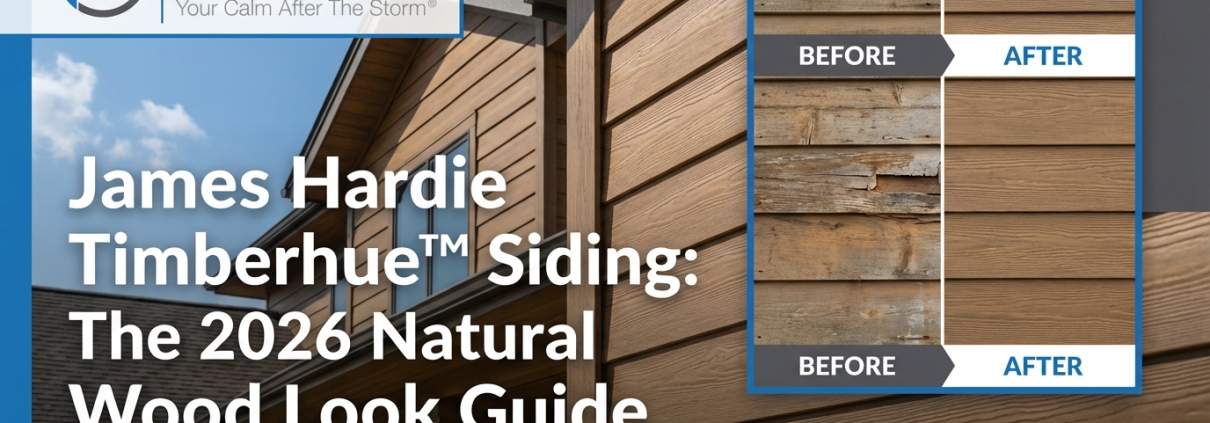
James Hardie Timberhue™ Siding: The 2026 Natural Wood Look Guide

James Hardie Timberhue™ Siding: The Complete Guide to the 2026 Natural Wood Look

James Hardie Timberhue siding is designed for homeowners who want the warmth of real wood without the long-term maintenance, fire risk, or moisture concerns of traditional timber. For decades, homeowners have faced a difficult choice: the timeless, warm aesthetic of natural wood or the rugged durability of fiber cement. In 2026, James Hardie officially closes that gap with the nationwide launch of the Timberhue™ Collection. This next-generation siding line offers a multi-tonal, two-tone finish that mimics the depth and character of real wood while maintaining the fire-rated, pest-resistant properties that have made James Hardie the industry leader in exterior protection.

What is James Hardie Timberhue™ siding? Timberhue™ is a premium fiber cement siding collection launching in Spring 2026, specifically engineered to replicate the appearance of natural wood through advanced two-tone ColorPlus® Technology. Available exclusively in 5-inch and 7-inch reveals, it provides homeowners with a low-maintenance, non-combustible alternative to cedar and oak without sacrificing the “stained wood” aesthetic.

At Revived Exteriors, we understand that Chicago homeowners need products that can withstand brutal Illinois winters and humid summers. The Timberhue™ collection is designed to meet these challenges head-on. In this comprehensive guide, we will break down the technology, the color palette, the costs, and why this product is set to dominate the residential remodeling market in 2026.

1. James Hardie Timberhue™ Siding: The 2026 Natural Wood Revolution

The 2026 launch of Timberhue™ represents more than just a new color palette; it is a fundamental shift in how fiber cement is manufactured. Historically, fiber cement siding was available in solid colors or simple wood-grain textures. While these looked excellent from the curb, they often lacked the organic variation found in real timber. Timberhue™ solves this by utilizing a proprietary application process that layers multiple pigments to create highlights and shadows within the grain.

Modern single-story house with James Hardie Timberhue siding in dark and light tones, large windows, a metal roof, and a landscaped front yard with stone pathway.

This collection is strategically focused on the “lap siding” market, launching exclusively in 5-inch and 7-inch reveals. This focus allows for a more controlled manufacturing process, ensuring that the two-tone finish remains consistent across every board. By narrowing the profile options, James Hardie has optimized the visual impact of the grain, making it indistinguishable from stained cedar at a distance of only five feet.

For those who have followed the evolution of the Hardie® Plank, Timberhue™ is the natural successor to the Magnolia Home collection. It takes the “farmhouse” aesthetic and elevates it into a more sophisticated, luxury realm. It is specifically designed for the homeowner who wants their house to stand out in a neighborhood of solid-colored vinyl or traditional painted siding, offering a high-end, organic feel that was previously only achievable with high-maintenance wood products.

2. Why Homeowners Are Choosing James Hardie Timberhue™ Siding Over Natural Wood

Natural wood siding, such as Western Red Cedar, is undeniably beautiful, but it comes with a “maintenance tax.” In regions like the Midwest, wood expands and contracts with the seasons, leading to cracked paint, peeling stains, and eventually, rot. Homeowners are increasingly turning to Timberhue™ because it offers the “stain look” without the 3-to-5-year re-staining cycle required by real timber.

Beyond aesthetics, the move toward Timberhue™ is driven by safety. Real wood is combustible. In an era where fire safety is becoming a priority for insurance companies and building codes, the non-combustible nature of fiber cement is a massive advantage. Timberhue™ does not ignite when exposed to a direct flame, providing a critical layer of protection for your family and your investment.

Pest resistance is another major factor. Wood-peckers, termites, and carpenter bees are naturally attracted to real wood siding. These pests can cause thousands of dollars in damage before they are even noticed. Because Timberhue™ is composed of cement, sand, and cellulose fibers, it offers no nutritional value to pests. It is a “set it and forget it” solution that maintains its integrity for decades.

3. Exploring the 8-Color Palette: From Ash to Ebony Forest

The Timberhue™ palette for 2026 has been curated to reflect modern architectural trends while remaining grounded in classic wood tones. The collection features eight primary colors, each utilizing a two-tone finish to create depth. Among the most anticipated colors are ‘Hickory’ and ‘Weathered Oak’, which offer a warm, medium-brown tone that perfectly replicates the look of freshly stained white oak.

For those seeking a more modern or Scandinavian aesthetic, ‘Ash’ and ‘White Birch’ provide lighter, cooler tones. These colors are particularly effective for contemporary homes with black window frames. At the other end of the spectrum, ‘Ebony Forest’ offers a deep, charred-wood look reminiscent of the Japanese Shou Sugi Ban technique. This color is expected to be a top-seller in the Pacific Northwest and modern urban developments.

The full list of 2026 Timberhue™ colors includes:

  • Hickory: A rich, golden brown with deep grain shadows.
  • Weathered Oak: A muted, grayish-brown that mimics aged timber.
  • Ash: A light, airy neutral with subtle wood grain highlights.
  • Ebony Forest: A bold, dark charcoal with a sophisticated matte finish.
  • White Birch: A bright, clean wood look for modern farmhouse styles.
  • Canyon Ridge: A warm, reddish-brown similar to traditional cedar.
  • Silver Fir: A cool-toned gray that works well in coastal environments.
  • Deep Walnut: A dark, chocolatey brown for a traditional, stately appearance.

4. Performance Specs: Non-Combustibility and Climate Engineering

One of the most significant advantages of James Hardie products is their HardieZone® System. In the Chicagoland area, we fall into the HZ5® zone. This means Timberhue™ siding installed by Revived Exteriors is specifically engineered to resist freezing temperatures, snow, ice, and the dramatic temperature swings common in the Midwest. The material is formulated to maintain dimensional stability, meaning it won’t shrink or swell like wood or vinyl.

Timberhue™ also carries an ASTM E136 non-combustibility rating. This is a critical distinction from engineered wood products like LP SmartSide, which are still essentially wood-based. Fiber cement will not fuel a fire. This performance spec not only provides peace of mind but can also lead to lower homeowner insurance premiums in many jurisdictions, as the home is considered significantly more fire-resistant.

Additionally, the ColorPlus® Technology used in the Timberhue™ finish is baked onto the boards in a controlled factory environment. This ensures maximum UV resistance. Standard field-applied stains on real wood fade quickly under the sun’s harsh rays. Timberhue™ is designed to resist fading, chipping, and cracking, backed by a 15-year limited finish warranty that covers both paint and labor.

According to independent fire-resistance testing and manufacturer specifications, fiber cement siding products like James Hardie are classified as non-combustible and do not ignite when exposed to flame.

Learn more about James Hardie fiber cement siding performance standards

5. Timberhue™ vs. The Competition: James Hardie vs. LP SmartSide (2026 Update)

In the world of wood-look siding, the primary competition for Timberhue™ is LP SmartSide ExpertFinish. Both products aim to solve the “maintenance problem” of real wood, but they take very different approaches. LP SmartSide is an engineered wood product made of wood strands treated with zinc borate and resins. While it is durable and easy to install, it remains a combustible material.

Material
Fiber Cement (Sand, Cement, Cellulose)
Engineered Wood (Strands & Resin)

Fire Rating
Non-Combustible (ASTM E136)
Combustible

Finish Tech
Multi-tonal ColorPlus® (Two-tone)
Proprietary ExpertFinish (Single or Multi)

Moisture
Won’t rot, swell, or buckle
Resistant, but edges must be sealed

Timberhue™’s main advantage in 2026 is the realism of its two-tone finish. While LP has made strides with its textured finishes, Hardie’s multi-tonal application mimics the way stain soaks into different densities of wood grain. Furthermore, for homeowners in high-density urban areas or wildfire-prone zones, the non-combustibility of Timberhue™ makes it the clear winner for safety and long-term resale value.

6. James Hardie Timberhue™ Siding Cost: What to Expect in 2026

Budgeting for a siding project requires looking at both the material cost and the labor cost. Because Timberhue™ is a premium, specialized product within the James Hardie lineup, it carries a higher price tag than standard HardiePlank® Lap Siding. On average, you can expect the material cost for Timberhue™ to be approximately 15% to 25% higher than the standard ColorPlus® statement collection.

For a standard 2,000-square-foot home in the Illinois market, estimated 2026 pricing for a full Timberhue™ installation ranges from $14.00 to $19.00 per square foot, including labor, materials, and disposal of old siding. This varies based on the complexity of your home’s architecture, the number of stories, and the choice of trim. In comparison, real cedar siding often costs $20-$25 per square foot once you factor in the initial staining and subsequent maintenance costs over the first 10 years.

The ROI (Return on Investment) for Timberhue™ is exceptionally high. According to the “Cost vs. Value” report, fiber cement siding replacement consistently ranks as one of the top home improvement projects for recouping costs at resale. By choosing the Timberhue™ look, you are adding “designer curb appeal” that can significantly increase the valuation of your home compared to standard vinyl or fiber cement options.

7. Best Practices for Installation: Achieving a Random Grain Aesthetic

To make Timberhue™ look like real wood, the installation process must be handled with care. The most common mistake made by inexperienced contractors is “stair-stepping” the grain patterns. Because the two-tone finish is applied in a factory, there are a finite number of grain patterns. A skilled installer, like the team at Revived Exteriors, will shuffle the boards from different pallets to ensure that identical grain patterns do not end up adjacent to one another.

Achieving a truly “random” look requires planning. We recommend a “random staggered joint” pattern, where the vertical seams between boards are spaced at least 32 inches apart. This prevents the eye from catching a repetitive mechanical pattern, which is the quickest way to reveal that a product is not real wood. Furthermore, the use of color-matched caulking and touch-up kits specifically designed for the Timberhue™ palette is essential for a seamless finish.

Proper flashing and clearance are also vital. While fiber cement is moisture-resistant, it should never be installed in direct contact with the ground or roofing materials. Maintaining a 1-inch to 2-inch clearance from horizontal surfaces ensures that water can drain properly, preventing long-term damage to the wall assembly. Following the James Hardie Best Practices (HZ5®) manual is non-negotiable for maintaining the 30-year product warranty.

8. Long-term Care: How to Maintain the Two-Tone Finish

One of the biggest selling points of Timberhue™ is how little you have to do to keep it looking new. Unlike real wood, which needs to be sanded and re-sealed, Timberhue™ only requires basic cleaning. We recommend a low-pressure wash with a garden hose and a soft-bristle brush once a year to remove dust, pollen, and environmental debris. This simple step prevents the buildup of mold or mildew on the surface of the paint.

Avoid the use of high-pressure power washers, as these can damage the specialized two-tone coating. If you encounter stubborn stains, a mild detergent mixed with water is usually sufficient. Because the color is baked-in, you won’t experience the typical “chalking” associated with cheap vinyl siding. The pigments used in the 2026 collection are specifically designed to withstand the high UV exposure of south-facing walls without significant color shift.

If your siding is damaged—for example, by a stray lawnmower rock—it is important to use the James Hardie touch-up kit specifically matched to your Timberhue™ color. Because these colors are multi-tonal, the touch-up kit often includes a base coat and a top-glaze to replicate the two-tone effect. This attention to detail ensures that any repairs remain invisible to the naked eye, preserving your home’s curb appeal for the full life of the product.

9. Final Verdict: Is James Hardie Timberhue™ Worth the Investment in 2026?

If you are a homeowner who loves the warmth of wood but hates the maintenance, Timberhue™ is the definitive answer. The 2026 collection solves the primary aesthetic complaint about fiber cement—that it can look “flat” or “plastic.” With its multi-tonal pigments and deep 5-inch and 7-inch reveals, it is the most realistic wood-alternative on the market today.

While the initial investment is higher than standard siding options, the long-term value is undeniable. You save thousands of dollars in re-staining costs, benefit from lower insurance risks due to non-combustibility, and enjoy a home that looks architecturally superior to anything else on the block. For those in the Chicago suburbs looking to maximize their home’s value and durability, Timberhue™ by James Hardie is a premier choice.

At Revived Exteriors, we have spent 25 years helping homeowners navigate the complexities of exterior remodeling. We are proud to be one of the first installers ready to bring the Timberhue™ revolution to Illinois. Whether you are repairing storm damage or embarking on a complete exterior transformation, this collection offers the perfect blend of beauty and brawn. For homeowners prioritizing durability, curb appeal, and long-term value, James Hardie Timberhue siding stands apart as the most advanced wood-look fiber cement option available in 2026.

Ready to Transform Your Home?

Superior craftsmanship, quality products, and a stress-free customer experience delivered at fair market prices by a family-owned team with over 25 years of experience. Experience the Revived Exteriors difference today.

Visit Our Homepage

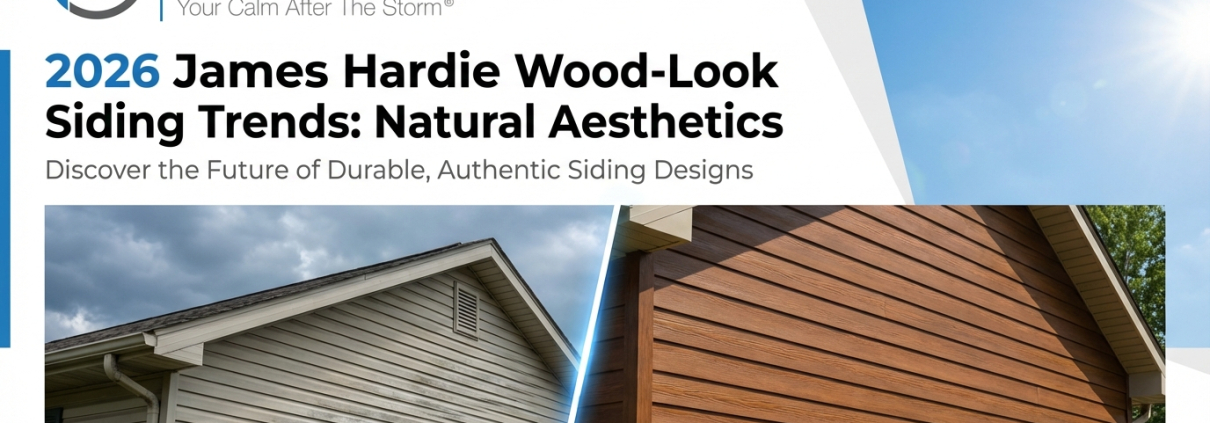
Split image showing two houses with different wood-look sidings, promoting "2026 James Hardie Wood-Look Siding Trends" by Revived Exteriors.

2026 James Hardie Wood Look Siding Trends: Natural Aesthetics

Homeowners in Chicago and its suburbs are increasingly seeking ways to blend natural aesthetics with durable, low-maintenance materials. In 2026, James Hardie’s wood-look siding is poised to be a leading choice for achieving this balance. This comprehensive guide explores the emerging trends in natural-looking siding, focusing on colors, textures, styles, and installation best practices. We’ll also delve into why James Hardie is the preferred material for homeowners seeking both beauty and longevity for their home exteriors. Ultimately, this article will prepare you to make informed decisions about your siding project.

As a family-owned team with over 25 years of experience, Revived Exteriors understands the unique needs of homeowners in the Chicago area. We’re committed to providing superior craftsmanship, quality products, and a stress-free customer experience. We’re excited to share our insights into the latest trends in James Hardie wood-look siding, helping you create the home exterior of your dreams.

This guide will cover the top trends including color palettes, horizontal and vertical styles, board and batten looks, and unique texture enhancements for a natural aesthetic that protects and beautifies your home’s exterior.

A young girl in a gray jacket plays with a toy car on the green exterior wall of a house featuring James Hardie wood look siding.

The Growing Appeal of Natural Aesthetics in Home Design

The desire for homes that feel connected to nature is stronger than ever. Homeowners are increasingly drawn to natural materials, earthy tones, and designs that evoke a sense of tranquility and harmony. This trend extends beyond interior design to the exterior of the home, where siding plays a crucial role in creating the desired aesthetic. Natural aesthetics are becoming increasingly popular in Chicago as homeowners aim to create welcoming and comforting spaces.

There are several reasons for this growing appeal. First, natural aesthetics offer a respite from the often-harsh realities of modern life. They provide a sense of calm and connection to the environment, which can be particularly valuable in urban and suburban settings. Second, natural materials and designs tend to be timeless and classic, ensuring that your home will remain stylish for years to come. This makes them a sound investment for homeowners seeking long-term value.

Finally, natural aesthetics often align with sustainable and eco-friendly building practices. Many homeowners are looking for ways to reduce their environmental impact, and choosing natural or natural-looking materials is one way to achieve this goal. As a result, siding options that mimic the look of wood, stone, and other natural elements are becoming increasingly popular.

James Hardie: The Premier Choice for Wood-Look Siding

When it comes to achieving a natural wood look with exceptional durability and low maintenance, James Hardie siding stands out as the premier choice. Made from fiber cement, James Hardie siding offers the beauty of wood without the drawbacks of traditional wood siding, such as susceptibility to rot, pests, and fire. This is especially important in the Chicago area, where harsh weather conditions can take a toll on home exteriors.

James Hardie siding is also incredibly versatile, offering a wide range of styles, textures, and colors to suit any architectural design. Whether you’re looking for a traditional clapboard look, a rustic shingle style, or a modern board-and-batten design, James Hardie has an option that will meet your needs. Plus, with its ColorPlus Technology, James Hardie siding resists fading, chipping, and cracking, ensuring that your home’s exterior will look beautiful for years to come.

Revived Exteriors has extensive experience installing James Hardie siding in the Chicago area. We understand the nuances of working with this material and can ensure that your siding is installed correctly and efficiently. We’re committed to providing our customers with the highest quality products and workmanship, and we believe that James Hardie siding is the best choice for homeowners seeking a beautiful, durable, and low-maintenance exterior.

Emerging Color Trends for 2026 Wood-Look Siding

In 2026, color trends for wood-look siding are leaning towards warm, earthy tones that complement the natural environment. While classic neutrals like grays and whites remain popular, we’re seeing a surge in demand for more vibrant and nature-inspired hues. These colors help create a welcoming and inviting home exterior that blends seamlessly with the surrounding landscape.

Here are some of the top color trends to watch for:

  • Warm Grays and Greiges: These versatile neutrals offer a sophisticated and timeless look. They pair well with a variety of architectural styles and landscaping elements.
  • Earthy Browns and Taupes: These colors evoke a sense of warmth and comfort, creating a cozy and inviting atmosphere. They’re particularly well-suited for homes with a rustic or traditional design.
  • Sage Greens and Olive Tones: These nature-inspired hues bring a touch of serenity and tranquility to the home exterior. They’re a great choice for homeowners who want to create a connection with the natural world.
  • Deep Blues and Charcoals: These bolder colors add a touch of drama and sophistication to the home exterior. They’re a great option for modern and contemporary homes.

When choosing a color for your wood-look siding, it’s important to consider the architectural style of your home, the surrounding landscape, and your personal preferences. Revived Exteriors can help you select the perfect color to complement your home and create the desired aesthetic.

Horizontal vs. Vertical Siding: Design Considerations

The orientation of your siding can have a significant impact on the overall look and feel of your home. Horizontal siding is the most traditional and widely used option, creating a sense of width and expansiveness. Vertical siding, on the other hand, offers a more modern and contemporary look, adding height and visual interest. The most important element is selecting siding that helps you achieve your aesthetic vision.

Here’s a closer look at the design considerations for each orientation:

  • Horizontal Siding: This classic choice is suitable for a wide range of architectural styles. It can make a home appear wider and more grounded. Horizontal siding is also relatively easy to install and maintain.
  • Vertical Siding: This modern option can add height and visual interest to a home. It’s often used on contemporary and farmhouse-style homes. Vertical siding can also be used to highlight specific architectural features.

In 2026, we’re seeing a growing trend of mixing horizontal and vertical siding to create a unique and visually appealing exterior. This approach allows homeowners to add depth and dimension to their homes while showcasing their personal style. Revived Exteriors can help you design a siding layout that incorporates both horizontal and vertical elements for a truly custom look.

The Enduring Appeal of Board and Batten Siding

Board and batten siding, characterized by wide vertical boards and narrow vertical battens, has been a popular choice for centuries. Its enduring appeal lies in its rustic charm, its ability to add visual interest, and its versatility in complementing various architectural styles. Today, board and batten siding is experiencing a resurgence in popularity, particularly in farmhouse-style and modern homes. It is particularly effective in Chicago suburbs that boast larger properties where this style can truly shine.

James Hardie offers a range of board and batten siding options that capture the classic look of wood without the maintenance concerns. Their fiber cement board and batten siding is resistant to rot, pests, and fire, ensuring that your home will look beautiful for years to come. Plus, with its ColorPlus Technology, James Hardie siding resists fading, chipping, and cracking, maintaining its vibrant color and pristine appearance.

When designing a board and batten siding layout, it’s important to consider the width of the boards and battens, the spacing between the battens, and the overall proportions of the home. Revived Exteriors can help you create a custom board and batten design that complements your home’s architectural style and enhances its curb appeal.

Textural Enhancements: Adding Depth and Dimension

In 2026, homeowners are increasingly seeking ways to add depth and dimension to their siding through textural enhancements. This can be achieved through a variety of techniques, including choosing siding with a pronounced wood grain texture, incorporating decorative trim, and adding architectural details. These textural enhancements can elevate the look of your home and create a more visually appealing exterior.

James Hardie offers a range of siding products with realistic wood grain textures that mimic the look and feel of natural wood. Their siding is also available in a variety of profiles, including clapboard, shingle, and board and batten, allowing you to create a custom look that reflects your personal style.

In addition to choosing siding with a pronounced texture, you can also add depth and dimension through decorative trim. This can include window and door trim, corner boards, and frieze boards. These trim elements can be painted or stained to match or contrast with the siding, creating a unique and visually appealing effect.

The Importance of Professional Installation

While choosing the right siding materials and design is essential, proper installation is equally crucial for ensuring the longevity and performance of your siding. Professional installation ensures that your siding is installed correctly, preventing moisture damage, pest infestations, and other problems. A professional installation team also adheres to strict quality control measures.

Revived Exteriors has extensive experience installing James Hardie siding in the Chicago area. Our team of skilled installers is trained to follow James Hardie’s installation guidelines, ensuring that your siding is installed correctly and efficiently. We also offer a comprehensive warranty on our workmanship, giving you peace of mind knowing that your investment is protected.

When choosing a siding contractor, it’s important to look for a company with a proven track record of quality workmanship, excellent customer service, and a commitment to using the best materials and installation techniques. Revived Exteriors is proud to be a trusted siding contractor in the Chicago area, and we’re committed to providing our customers with the highest quality products and services.

Maintaining Your Wood-Look Siding for Long-Term Beauty

Once your wood-look siding is installed, it’s important to maintain it properly to ensure its long-term beauty and performance. Fortunately, James Hardie siding is relatively low-maintenance, requiring only occasional cleaning to remove dirt and debris. However, there are a few simple steps you can take to keep your siding looking its best.

Here are some tips for maintaining your wood-look siding:

  • Wash your siding regularly with a mild soap and water solution. This will remove dirt, dust, and other debris that can accumulate over time.
  • Inspect your siding for any signs of damage, such as cracks, chips, or fading. If you notice any damage, repair it promptly to prevent further deterioration.
  • Trim any trees or shrubs that are growing too close to your siding. This will prevent moisture from building up on the siding and causing damage.
  • Clean your gutters regularly to prevent water from overflowing and damaging your siding.

By following these simple maintenance tips, you can keep your wood-look siding looking beautiful for years to come. Revived Exteriors can also provide you with additional maintenance advice and services to help you protect your investment.

Cost Considerations for James Hardie Wood-Look Siding

Investing in new siding is a significant decision, and understanding the cost considerations is crucial for making an informed choice. While James Hardie siding may have a higher upfront cost compared to some other siding options, its long-term value and durability make it a worthwhile investment. In fact, due to its durability, it may prove to be cheaper over time.

The cost of James Hardie wood-look siding can vary depending on several factors, including the style of siding, the size of your home, and the complexity of the installation. However, you can expect to pay more for James Hardie siding than for vinyl siding, but less than for natural wood siding. The return on investment comes from longevity and lower maintenance costs.

Revived Exteriors offers free, no-obligation estimates for James Hardie siding installation. We’ll assess your home’s needs and provide you with a detailed breakdown of the costs involved. We also offer financing options to help make your siding project more affordable.

Ready to Get Started?

Superior craftsmanship, quality products, and a stress-free customer experience delivered at fair market prices by a family-owned team with over 25 years of experience.

Visit Our Homepage

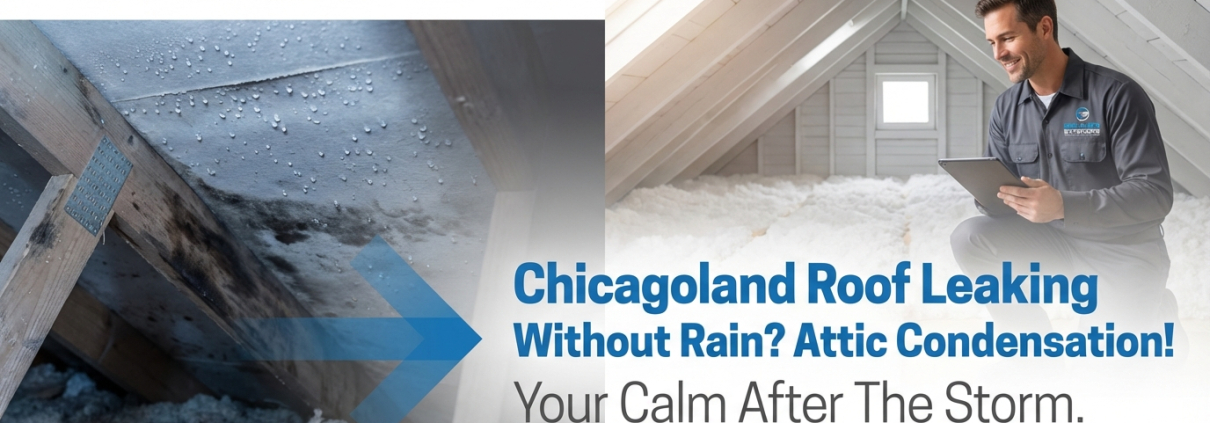
Chicagoland Roof Leaking Without Rain? Attic Condensation!

Why My Chicagoland Roof Is Leaking Without Rain: A Hidden Attic Condensation Problem

Discovering a leak in your roof is never a pleasant experience. If you’re dealing with a roof leaking without rain, the issue often isn’t damaged shingles at all—especially in Chicagoland, where attic condensation is a common and frequently overlooked cause. Homeowners may notice water stains or dripping even during dry weather, leading to confusion and unnecessary repairs. Revived Exteriors is here to explain why a roof leaking without rain happens, how attic condensation plays a role, and what steps you can take to fix the issue properly.

Understanding Why Your Roof Is Leaking Without Rain

Attic condensation occurs when warm, moist air rises from the living spaces below and meets the cold surfaces in your attic. This temperature difference causes the moisture to condense, forming water droplets that can eventually lead to leaks and other issues.

Sources of Moisture in Your Home

Several everyday activities can contribute to excessive moisture in your home, ultimately increasing the risk of attic condensation. These include:

These moisture sources are often overlooked, which is why many homeowners don’t realize that a roof leaking without rain is frequently caused by attic condensation rather than an exterior roof failure.

  • Showering and bathing: Hot showers and baths release significant amounts of water vapor into the air.
  • Cooking: Boiling water, steaming vegetables, and even washing dishes generate moisture.
  • Laundry: Washing and drying clothes, especially without proper ventilation, can add to indoor humidity.
  • Houseplants: While beneficial, houseplants release moisture through transpiration.
  • Humidifiers: While intended to improve air quality, overusing humidifiers can create excessive moisture levels.
  • Basement moisture: A damp basement can contribute significantly to overall humidity levels within the house.

Signs of Attic Condensation

Identifying attic condensation early is crucial to preventing significant damage. Look for these telltale signs:

  • Water stains on the ceiling: Circular or irregular stains are a common indication of a roof leak, even if it hasn’t rained.
  • Dripping water: Noticeable drips, especially after a period of cold weather, suggest condensation is occurring.
  • Mold or mildew growth: Mold and mildew thrive in damp environments, so their presence in the attic is a red flag.
  • Musty odors: A persistent musty smell can indicate moisture buildup and mold growth.
  • Rotted wood: Condensation can lead to wood rot, weakening the structural integrity of your roof.
  • Wet insulation: Damp or soggy insulation loses its effectiveness and can contribute to further moisture problems.

The Importance of Proper Attic Ventilation

Poor attic airflow is one of the most common reasons homeowners experience a roof leaking without rain, especially during Chicagoland winters.

Adequate attic ventilation is the key to preventing and mitigating attic condensation. Ventilation allows moist air to escape, preventing it from condensing on cold surfaces. There are several types of attic vents, including:

  • Soffit vents: Located under the eaves, soffit vents allow fresh air to enter the attic.
  • Ridge vents: Running along the peak of the roof, ridge vents allow warm, moist air to escape.
  • Gable vents: Situated on the gable ends of the house, gable vents provide cross-ventilation.
  • Box vents: Also called turtle vents, these are placed strategically across the roof surface.

A balanced ventilation system, with both intake (soffit) and exhaust (ridge or gable) vents, is essential for optimal performance. Insufficient ventilation traps moisture, while excessive ventilation can lead to energy loss.

According to the U.S. Department of Energy, improper attic ventilation can trap warm, moist air and lead to condensation issues that homeowners often mistake for a roof leak—especially when dealing with a roof leaking without rain.

U.S. Department of Energy guidelines on attic ventilation and moisture control.

The Role of Insulation in Condensation Control

Proper insulation is another critical factor in preventing attic condensation. Insulation helps to maintain a consistent temperature in the attic, reducing the temperature difference that leads to condensation. It also prevents warm, moist air from the living spaces below from reaching the attic.

Ensure your attic has adequate insulation levels according to Chicagoland building codes. Consider using vapor barriers to further reduce moisture migration.

How Revived Exteriors Can Help

If you suspect attic condensation is causing your roof to leak, Revived Exteriors can provide comprehensive solutions. Our experienced team will:

  • Inspect your attic: We’ll thoroughly assess your attic for signs of condensation, mold, and other issues.
  • Evaluate your ventilation: We’ll determine if your attic ventilation system is adequate and make recommendations for improvement.
  • Assess your insulation: We’ll check your insulation levels and identify areas that need to be upgraded.
  • Repair roof leaks: We’ll identify and repair any existing roof leaks, preventing further water damage.
  • Install or repair ventilation systems: We can install or repair soffit vents, ridge vents, gable vents, and other types of attic vents.
  • Upgrade insulation: We offer a variety of insulation options to meet your specific needs and budget.

DIY vs. Professional Help

While some homeowners may be tempted to tackle attic condensation issues themselves, it’s often best to seek professional help. Diagnosing the root cause of condensation can be challenging, and improper repairs can exacerbate the problem. Revived Exteriors has the expertise and equipment to accurately identify and address attic condensation issues effectively and safely.When a roof leaking without rain is misdiagnosed as a shingle failure, homeowners often spend money on repairs that don’t solve the real problem.

Preventative Measures to Minimize Condensation

Even after addressing existing condensation problems, taking preventative measures can help minimize future issues. These include:

  • Run exhaust fans: Use exhaust fans in bathrooms and kitchens while showering, cooking, and washing dishes.
  • Vent clothes dryers: Ensure your clothes dryer is properly vented to the outside.
  • Control humidity levels: Use a dehumidifier in damp areas, such as basements.
  • Seal air leaks: Caulk and seal any air leaks around windows, doors, and pipes.
  • Monitor attic conditions: Regularly inspect your attic for signs of moisture or mold.

Conclusion

A leaking roof without rain can be a frustrating and concerning issue. In Chicagoland, attic condensation is a common cause. By understanding the sources of moisture, recognizing the signs of condensation, and ensuring proper ventilation and insulation, you can protect your home from water damage and mold growth. Contact Revived Exteriors today for a comprehensive attic inspection and expert solutions to address your attic condensation concerns. Let us help you keep your home dry and healthy. If your home has a roof leaking without rain, addressing attic condensation early can prevent mold, structural damage, and costly repairs.

Ready to Get Started?

Superior craftsmanship, quality products, and a stress-free customer experience delivered at fair market prices by a family-owned team with over 25 years of experience.

Visit Our Homepage

Avoid Storm Chaser Scams: Why Choose Local IL Roofers

Avoid Storm Chaser Scams: Choose Local IL Pros

When a severe storm sweeps through Illinois, leaving a trail of hail damage or missing shingles, the immediate aftermath can feel chaotic. Unfortunately, this vulnerability attracts opportunistic contractors known for storm chaser scams—out-of-town operators who flood storm-damaged neighborhoods looking to take advantage of stressed homeowners. Choosing a reputable, local professional isn’t just about supporting the community; it’s the single most effective way to protect your home and your wallet from fraud.

At Revived Exteriors, we believe in being your calm after the storm. Below is a definitive guide to understanding storm chaser scams, how to spot the warning signs, and why hiring an established Illinois roofing contractor matters.

Quick Answer: What Is a Storm Chaser?

A storm chaser is typically an out-of-town contractor who travels to areas recently hit by severe weather to solicit roofing work. These contractors often rely on aggressive door-knocking, vague promises, and urgency to secure jobs quickly. Many storm chaser scams involve upfront payments, incomplete work, or disappearing contractors who leave before warranty issues arise—leaving homeowners with little or no recourse.

The Aftermath: Why Illinois Homeowners Are Targets

Illinois sits in a volatile weather corridor, experiencing everything from intense summer heat and humidity to freezing winters and powerful spring hailstorms. This makes roofs across Chicagoland frequent targets for storm damage—and prime opportunities for storm chaser scams.

When a major hail event hits the Chicago suburbs, entire neighborhoods may be impacted at once. Storm chasers know this creates:

  • Insurance claim confusion

  • Fear of further damage

  • Pressure to “act fast”

Unfortunately, that pressure is exactly what fraudulent contractors rely on.

Common Storm Chaser Scams Illinois Homeowners Should Avoid

Storm chaser scams often follow predictable patterns. Watch for these red flags:

  • Immediate door-knocking after a storm with claims they “just finished your neighbor’s roof”

  • No local address or Illinois business license

  • Requests for large upfront payments or cash-only deals

  • “Free roof” or “insurance will pay for everything” promises

  • High-pressure tactics, such as “sign today or lose coverage”

  • No written scope of work or vague contracts

If a contractor pushes urgency instead of transparency, it’s a strong indicator of a storm chaser scam.

Why Storm Chaser Scams Cost Homeowners More in the Long Run

While storm chasers often appear cheaper upfront, the long-term costs are far higher. Poor workmanship can lead to leaks, voided manufacturer warranties, denied insurance claims, and costly repairs years later. In many storm chaser scams, the contractor is long gone by the time problems surface.

The Illinois Attorney General has repeatedly warned homeowners about contractor fraud following severe weather events, urging residents to verify credentials and avoid pressure-based decisions.

How to Protect Yourself From Storm Chaser Scams

Protecting your home starts with slowing down and verifying who you’re working with. To avoid storm chaser scams:

  • Verify the contractor holds an Illinois license

  • Confirm a local office address, not just a temporary phone number

  • Ask for proof of insurance and manufacturer certifications

  • Demand a detailed, written contract

  • Never sign over insurance checks before work is completed

  • Get a professional roof inspection from a trusted local company

Working with a local contractor ensures accountability long after the storm passes.

Why Hiring a Local Illinois Roofing Contractor Matters

Local roofing contractors depend on their reputation within the community. They understand Illinois building codes, regional weather patterns, and long-term performance requirements. Unlike storm chasers, established Illinois roofing professionals are here before the storm—and after the work is done.

At Revived Exteriors, we live and work in the communities we serve. Our warranties, workmanship, and reputation are built to last, not disappear with the next weather system.

How Revived Exteriors Helps Homeowners After a Storm

If you’re unsure whether your roof was damaged—or whether a contractor’s offer is legitimate—Revived Exteriors can help by providing:

  • Honest storm damage evaluations

  • Clear insurance guidance without pressure

  • Professional documentation and inspections

  • Long-term roofing solutions backed by local accountability

Our goal is to protect homeowners from storm chaser scams while delivering quality work that stands up to Illinois weather.

Conclusion: Don’t Let Storm Chaser Scams Add to the Damage

Storm damage is stressful enough without the added risk of fraud. Storm chaser scams thrive on urgency, confusion, and fear—but informed homeowners can avoid them. By understanding the warning signs and choosing a trusted local Illinois roofing professional, you protect your home, your finances, and your peace of mind.

If you’ve experienced storm damage and want an honest, pressure-free evaluation, contact Revived Exteriors today. We’re here to help—long after the storm clouds clear.

2026 Chicago Ice Dam Guide: Prevention & Removal for Homeowners

2026 Chicago Ice Dam Guide: Prevention & Removal for Homeowners

Chicago ice dams are one of the most common and damaging winter roofing problems homeowners face. While Chicago winters are beautiful, they can also be brutal. Ice dams—those seemingly innocent ridges of ice that form along roof edges—can lead to serious water damage inside your home.

Homeowners in Chicago search for information on ice dams because they want to protect their homes from costly water damage caused by melting snow and ice. They want to understand how to prevent ice dams from forming and what to do if they already have them. The desired outcome is a safe, dry home and peace of mind during the winter months. Revived Exteriors is here to help you achieve that outcome with expert advice and reliable service.

Revived Exteriors understands the unique challenges Chicago winters pose to your home. With over 25 years of experience serving the Chicago area, we’re committed to providing superior craftsmanship, quality products, and a stress-free customer experience at fair market prices.

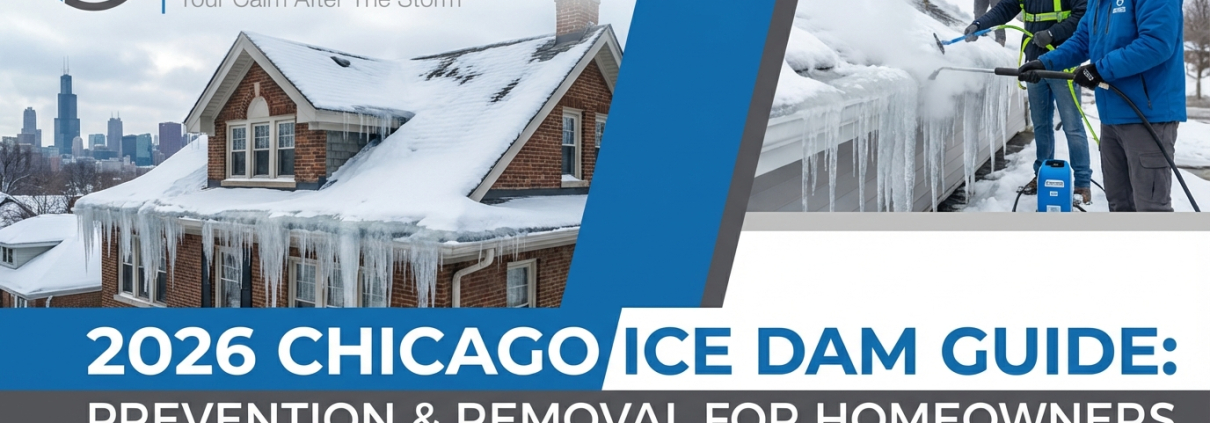
Chicago ice dams forming on residential roof

How Chicago Ice Dams Damage Roofs and Homes | How They Form

An ice dam is a ridge of ice that forms at the edge of a roof, preventing melting snow and ice from draining properly. This can cause water to back up under the shingles and leak into your home, leading to damaged ceilings, walls, and insulation.

Ice Dam Definition: A ridge of ice that forms at the edge of a roof, blocking melting snow and ice from draining off the roof.

The Ice Dam Formation Process: Step by Step

  1. Uneven Roof Temperatures: Warm air escapes from the attic, warming the upper roof surface.
  2. Snow Melts: Snow melts even when outdoor temperatures are below freezing.
  3. Water Refreezes: Melted water refreezes near the colder eaves.
  4. Ice Dam Forms: Ice builds into a ridge that blocks proper drainage.
  5. Water Backs Up: Water pushes under shingles and leaks inside the home.

Understanding this process is the first step in preventing ice dams. By controlling roof temperature and drainage, you can significantly reduce your risk.

Chicago Ice Dams: Why They Are So Common

Chicago’s climate creates perfect conditions for ice dam formation. Frequent freeze-thaw cycles cause snow to melt and refreeze repeatedly, accelerating ice buildup along roof edges.

Many older Chicago homes also lack modern insulation and ventilation standards. Combined with heavy snowfall, these factors make ice dam prevention essential for homeowners throughout the city and surrounding suburbs.

Identifying Ice Dams: Warning Signs Homeowners Should Watch For

  • Visible ice ridges along roof edges or gutters
  • Large icicles forming consistently in one area
  • Water stains on ceilings or exterior-facing walls
  • Peeling paint or bubbling drywall
  • Wet attic insulation

If you notice these signs, prompt action is critical to avoid serious structural damage.

Preventing Ice Dams on Chicago Homes

Improve Attic Insulation and Ventilation

Proper insulation prevents heat from escaping into the attic. In Chicago, attic insulation should typically reach an R-value of R-49 to R-60. Balanced ventilation using soffit and ridge vents keeps roof temperatures consistent.

Safe Roof Snow Removal

Using a roof rake from the ground helps remove snow before ice dams form. Focus on the lower roof sections and always prioritize safety.

Heated Cables and Ice Melt Systems

Professionally installed heated cables or panels create drainage channels that reduce ice buildup. These systems should always be installed by qualified professionals familiar with Chicago winters.

Ice Dam Removal: Safe and Effective Options

Professional Steam Ice Dam Removal

Steam removal is the safest and most effective way to remove Chicago ice dams. It melts ice without damaging shingles, flashing, or underlayment.

For additional cold-climate building standards, homeowners can reference guidance from the U.S. Department of Energy.

Revived Exteriors provides professional steam ice dam removal throughout Chicago and nearby suburbs using specialized equipment and trained technicians.

DIY Ice Dam Removal: What to Do (and What NOT to Do)

  • Use roof rakes to remove snow
  • Apply calcium chloride ice melt (never rock salt)
  • Create drainage channels using ice melt socks
  • Never chip ice with tools
  • Never climb icy or steep roofs
  • Never use pressure washers

The Cost of Ice Dam Damage in Chicago

  • Roof deck and shingle repairs
  • Interior ceiling and wall damage
  • Mold remediation
  • Increased energy bills

Preventive measures and timely removal often cost far less than repairing unchecked ice dam damage.

Insurance Coverage for Ice Dam Damage

Most homeowner insurance policies cover ice dam damage, but coverage varies. Always document damage and contact your insurance provider promptly.

Choosing a Chicago Ice Dam Removal Company

  • Local experience
  • Steam-based equipment
  • Proper licensing and insurance
  • Verified reviews and references

Revived Exteriors has over 25 years of experience protecting Chicago homes from winter roof damage.

Preparing Your Home for Future Chicago Winters

  • Inspect roofing annually
  • Clean gutters before winter
  • Trim overhanging branches
  • Consider gutter guards

Conclusion: Staying Ahead of Chicago Ice Dams

Ice dams are a serious but preventable problem for Chicago homeowners. With proper insulation, ventilation, snow removal, and professional assistance when needed, you can protect your home and avoid costly repairs.

Because Chicago ice dams are driven by local climate, insulation quality, and roof design, addressing the root cause is always more effective than repeated emergency repairs.

Ready to Get Started?

Superior craftsmanship, quality products, and a stress-free customer experience delivered by a family-owned team with over 25 years of experience.

Visit Our Homepage

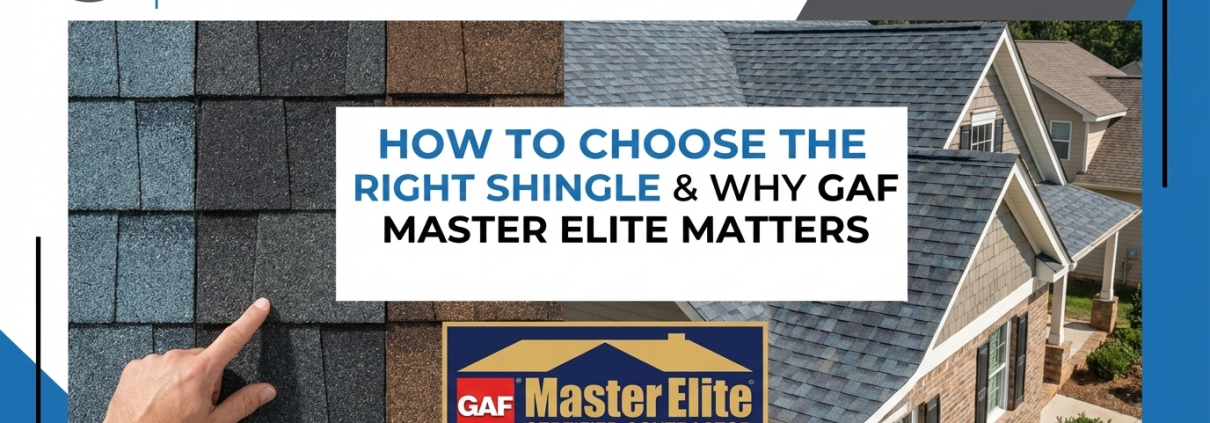
How to Choose the Right Shingle & Why GAF Master Elite Matters

How to Choose the Right Roof Shingle for Your Home

Your roof is your home’s first line of defense against Chicago’s harsh winters and stormy summers. If you’re wondering how to choose the right roof shingle, you’re not alone. Many homeowners feel overwhelmed by the number of roofing options and conflicting advice. At Revived Exteriors, we believe the answer lies in matching the right shingle system with the right certified installer.

This guide explains exactly how to choose the right roof shingle for your home’s architecture, budget, and climate—and why working with a GAF Master Elite® contractor is the only way to fully protect that investment.

1. How to Choose the Right Roof Shingle: Style, Budget, and Performance

Choosing the right roof shingle isn’t just about color—it’s about long-term protection. Your roof can account for up to 40% of your home’s visible exterior, affecting both curb appeal and resale value. In Illinois, durability matters just as much as appearance.

  • Architectural style: Colonials often pair well with slate-style designer shingles, while ranch homes typically benefit from architectural shingles.
  • Length of ownership: Long-term homeowners benefit most from lifetime warranty systems.
  • True cost: Cheaper shingles often cost more over time due to repairs and premature replacement.

2. Understanding the Three Main Types of GAF Roof Shingles

As a GAF Master Elite contractor, Revived Exteriors installs GAF products for their consistency and performance. Asphalt shingles generally fall into three categories:

3-Tab Shingles (Entry-Level)

These flat shingles offer minimal wind resistance and a shorter lifespan. We rarely recommend them for replacements due to their limited durability.

Architectural Shingles (GAF Timberline HDZ®)

Architectural shingles provide dimensional appearance and superior wind resistance. GAF Timberline HDZ® shingles feature LayerLock™ Technology and qualify for the WindProven™ Limited Wind Warranty.

Designer & Luxury Shingles

Designer shingles replicate slate or wood shake while offering modern durability. They significantly enhance curb appeal and long-term value.

3. Climate Factors That Affect How to Choose the Right Roof Shingle

Wind Resistance

Midwest storms demand shingles with mechanical locking technology. LayerLock™ shingles outperform standard adhesive-only systems.

Algae Protection

GAF’s StainGuard Plus™ technology prevents black streaks caused by algae, helping your roof stay visually clean for decades.

Design Visualization

Use tools like the

GAF Virtual Remodeler

to preview colors on your actual home before choosing.

4. Why Installation Matters More Than the Shingle

Even the best shingle will fail if installed incorrectly. The majority of roofing failures stem from workmanship—not material defects.

5. What Is a GAF Master Elite® Contractor?

Less than 2% of roofing contractors qualify as GAF Master Elite®. This status requires proper licensing, insurance, verified reputation, and ongoing factory training.

6. Exclusive Benefits of a GAF Master Elite Contractor

Only Master Elite contractors can offer the Golden Pledge® Limited Warranty, which includes long-term workmanship protection.

7. Golden Pledge Warranty: Ultimate Protection

  • 50-Year Non-Prorated Material Coverage
  • 25-Year Workmanship Coverage
  • 40-Point GAF Factory Inspection

8. The GAF Lifetime Roofing System

  1. Leak Barrier
  2. Roof Deck Protection
  3. Starter Strip Shingles
  4. Lifetime Shingles
  5. Cobra® Ridge Ventilation
  6. Ridge Cap Shingles

9. Long-Term Value Comparison

FeatureStandard RooferGAF Master Elite
Material WarrantyProrated50-Year Non-Prorated
Workmanship2-5 Years25 Years
InspectionNone40-Point Factory

10. Final Thoughts on How to Choose the Right Roof Shingle

Knowing how to choose the right roof shingle means understanding both the product and the installer. A properly installed GAF roofing system provides peace of mind that lasts decades.

Ready to Build Your Lifetime Roof?

Contact Revived Exteriors today for a complimentary inspection.

Get Your Free Estimate →

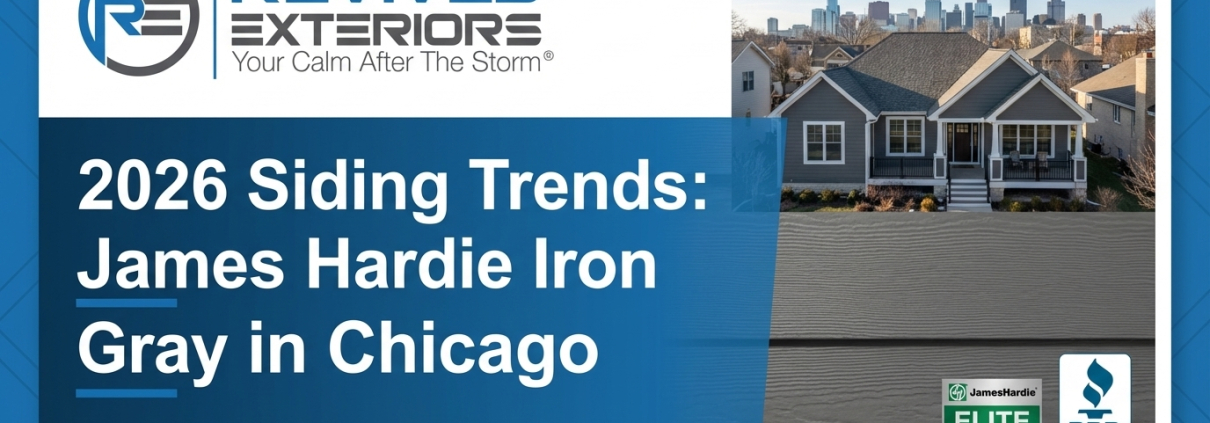
2026 Siding Trends: James Hardie Iron Gray in Chicago

2026 Trends: James Hardie Iron Gray in Chicagoland

As we approach 2026, the Chicagoland residential landscape is undergoing a dramatic aesthetic shift. Gone are the days of safe beiges and nondescript tans. The standout leader for the upcoming year is undoubtedly James Hardie Iron Gray. This deep, sophisticated hue captures the mood of modern architecture while honoring the historic roots of classic Chicago housing styles. At Revived Exteriors, we are seeing a surge in homeowners choosing this bold neutral to fortify their homes against our harsh winters while maximizing curb appeal.

Whether you own a historic bungalow in Berwyn or a modern build in Naperville, Iron Gray offers a versatility that few other colors can match. This guide explores why Iron Gray is the definitive choice for Chicago exteriors in 2026, covering everything from design pairings to weather resilience.

Quick Answer: Why is Iron Gray the Top 2026 Trend?

James Hardie Iron Gray is the top exterior trend for 2026 in Chicago because it perfectly bridges the gap between modern “moody” aesthetics and traditional elegance. Unlike fleeting fads, this deep charcoal hue anchors a home visually, providing a stunning contrast against snow in winter and lush greenery in summer. When paired with James Hardie’s ColorPlus® Technology, it resists the fading and chipping common in Chicago’s freeze-thaw cycles, making it a high-ROI investment that satisfies both commercial durability needs and high-design residential standards.

1. Introduction: Iron Gray Defined as the 2026 Chicago Exterior Standard

Chicago architecture has always favored materials that convey strength and permanence, like brick and stone. James Hardie Iron Gray mimics this sense of solidity. It is not just a color; it is a statement. As the 2026 standard, it represents a departure from the “safe” choices of the past decade. Homeowners are increasingly looking for exteriors that feel custom and high-end.

Iron Gray serves as the perfect canvas. It is dark enough to be dramatic but neutral enough to avoid clashing with neighboring homes. In the context of Revived Exteriors’ service area—from the historic districts to the sprawling suburbs—this color unifies diverse architectural styles under a banner of sophisticated durability.

2. The Aesthetic Shift: Why Chicago Homeowners Are Moving to ‘Moody’ Dark Neutrals

For years, the trend was “light and airy.” However, 2026 marks a definitive pivot toward “moody neutrals.” This shift is driven by a desire for homes that feel grounded and substantial. Darker siding absorbs light differently, creating rich shadows and highlighting the texture of the HardiePlank lap siding.

The Psychology of Dark Exteriors

Dark colors like Iron Gray evoke a sense of protection and calm—qualities highly valued by homeowners facing the unpredictable Chicago climate. Furthermore, dark exteriors tend to make a property look more expensive and architecturally significant. In urban environments like Lincoln Park or Wicker Park, this aesthetic blends seamlessly with industrial-chic trends, while in suburbs like Arlington Heights, it provides a striking break from the sea of beige vinyl.

3. Architectural Pairings: Adapting Iron Gray for Chicago Bungalows, Two-Flats, and Modern Builds

One of the unique advantages of Iron Gray is its ability to adapt to the specific vernacular of Chicago architecture. It is not a “one-style-fits-all” farmhouse color; it enhances the distinct character of our local housing stock.

Chicago Bungalows and Georgians

For the classic Chicago Bungalow, Iron Gray is often used on dormers or additions to complement existing red or brown brick. It modernizes the home without erasing its history. On Georgian-style homes, swapping outdated aluminum siding for Iron Gray HardiePlank creates a stately, manor-like appearance that revitalizes the curb appeal instantly.

Classic Two-Flats

Chicago Two-Flats often feature heavy limestone accents. Iron Gray provides a lower-contrast look against limestone compared to white or cream, resulting in a seamless, monolithic appearance that emphasizes the building’s height and grandeur.

4. Design Palettes: High-Contrast (Arctic White) vs. Monochromatic Looks for 2026

How you accessorize Iron Gray determines the final vibe of your home. In 2026, we are seeing two distinct design camps emerge among our clients.

The High-Contrast “Tuxedo” Look

This remains the most popular choice for modern farmhouses. It involves pairing Iron Gray main siding with Arctic White trim, soffits, and fascia. This crisp definition highlights rooflines and architectural details. It is clean, sharp, and pops vividly against the gray Chicago winter sky.

The Monochromatic “Drenched” Look

The more avant-garde trend for 2026 is the monochromatic palette. This involves matching the trim (or choosing a very close shade like Gray Slate) to the Iron Gray siding. Combined with black window frames and dark gutters, this creates a sleek, unified structure. This approach is particularly effective for contemporary homes or mid-century modern renovations.

5. Chicago Weather Test: How Iron Gray with ColorPlus Resists Salt, Snow, and Fade

A major concern with dark exterior colors is fading. Standard vinyl siding in dark gray often chalks or fades to a uneven lighter gray after just a few years of UV exposure. James Hardie’s ColorPlus® Technology solves this. The color is baked on in a factory environment, ensuring a consistent, durable finish that resists UV radiation.

Salt and Freeze-Thaw Resistance

Chicago roads are heavily salted, and that salt mist can travel. Unlike wood, which can deteriorate from salt exposure, or vinyl, which can become brittle and crack in sub-zero temperatures (especially when hit by hail or debris), James Hardie fiber cement is engineered for climate. It maintains its structural integrity through the rapid freeze-thaw cycles of a Midwest spring.

Winter Energy Efficiency Bonus

An often-overlooked benefit of darker siding like Iron Gray in a Northern climate is thermal gain. During our long winters, dark siding absorbs more solar heat than white siding. While this won’t replace your furnace, every bit of passive solar gain helps reduce the thermal load on your home during January and February.

6. Comparative Analysis: Iron Gray vs. Evening Blue (2025) and Aged Pewter

Choosing the right gray can be difficult. Here is how the 2026 favorite compares to other top contenders.

FeatureIron Gray (2026 Trend)Evening Blue (2025 Favorite)Aged Pewter
UndertonePure, deep charcoal (neutral)Deep navy/marineWarm greige/taupe
Best Style MatchModern, Craftsman, BungalowCape Cod, CoastalTraditional, Colonial
Visual WeightBold and anchoringCool and calmingSoft and blending
Chicago FitExcellent (urban & suburban)Good (lakefront focus)Good (historic suburbs)

7. Future-Proofing: Mixing Iron Gray with 2026 Spring Launch ‘TimberHue’ Accents

Looking ahead to Spring 2026, the industry is buzzing about the upcoming “TimberHue” aesthetic—advanced finishes that mimic the grain and warmth of natural cedar and walnut but with fiber cement durability. Iron Gray is the perfect partner for these wood-tone accents.

Imagine an Iron Gray exterior with a “TimberHue” cedar-look gable accent or front porch column. The cool charcoal tone of the siding intensifies the warmth of the wood look. This combination allows homeowners to enjoy the “mixed materials” look of custom architecture without the maintenance nightmare of real wood, which often rots or requires annual staining in Illinois humidity.

8. Installation & ROI: Value Addition for Chicagoland Real Estate

Siding replacement offers one of the highest returns on investment (ROI) for exterior remodeling. According to Remodeling Magazine’s Cost vs. Value Report, fiber cement siding replacement consistently outperforms vinyl in resale value.

HOA and Neighborhood Context

In strict HOAs found in suburbs like Glenview or Naperville, Iron Gray is widely accepted because it is a “natural” earth tone, despite being bold. It fits within restrictive covenants while still allowing the home to stand out. For sellers, an Iron Gray exterior signals a modern, updated home, often justifying a higher asking price compared to homes with faded, dated siding.

9. Conclusion: Visualizing Iron Gray on Your Specific Home Style

James Hardie Iron Gray is more than just a color trend for 2026; it is a strategic choice for Chicago homeowners who value longevity, aesthetics, and performance. By choosing this deep, elegant shade, you are future-proofing your home against shifting trends and shifting weather patterns alike.

At Revived Exteriors, we understand that seeing is believing. We can help you visualize this color on your home using design tools and physical samples, ensuring it complements your roof, brick, and landscape perfectly.

Ready to Transform Your Home?

Don’t let another Chicago winter damage your aging exterior. Schedule a free consultation with Revived Exteriors today to see how James Hardie Iron Gray can redefine your home’s curb appeal.

Get Your Free Siding Quote

James Hardie vs. Vinyl Siding: Best for Chicago Homes?

Living in Chicago means your home has to endure some of the most punishing weather extremes in the country. From the blistering humidity of July to the sub-zero wind chills of January, your siding is the first line of defense against the elements. If you are considering a siding replacement, you have likely narrowed your choices down to the two heavyweights: James Hardie Fiber Cement and Vinyl Siding.

At Revived Exteriors, we have installed miles of both across the Chicagoland area. We know that the "best" choice depends entirely on your budget, your neighborhood architecture, and your long-term goals for the property. This guide cuts through the marketing fluff to compare these materials specifically against the backdrop of Chicago’s unique climate and housing market.

Quick Verdict: Which is Best for Chicago?

For most Chicago homeowners, the choice comes down to this: Choose James Hardie if you prioritize curb appeal, ROI, fire resistance, and historic accuracy (essential for Bungalows and Greystones). It handles freeze-thaw cycles better but costs more upfront. Choose Vinyl Siding if you want a cost-effective, virtually maintenance-free solution that offers excellent insulation options without the need for periodic painting.

Material Showdown: Fiber Cement vs. PVC Explained

Before analyzing performance, it is crucial to understand what you are actually putting on your walls. These materials are fundamentally different in composition.

James Hardie (Fiber Cement)

James Hardie siding is a composite material made of Portland cement, sand, water, and cellulose fibers. It is engineered to mimic the look and feel of natural wood but with significantly higher durability. It is heavy, rigid, and feels substantial to the touch.

Vinyl Siding (PVC)

Vinyl is made from Polyvinyl Chloride (PVC) resin. It is a plastic product that is extruded into panels. It is lightweight, flexible, and the color is baked through the entire material, meaning scratches are less visible.

The Chicago Climate Test: Performance Analysis

Chicago’s weather is notorious for a reason. We experience temperature swings of over 100 degrees Fahrenheit throughout the year. Here is how each material holds up.

Phase 1: Surviving the Freeze-Thaw Cycle

The freeze-thaw cycle is the silent killer of building materials in Illinois. Water seeps into cracks, freezes, expands, and shatters material.

  • James Hardie: Engineered specifically for our climate zone (HZ5). It is highly resistant to expanding and shrinking. It does not become brittle in sub-zero temperatures.
  • Vinyl: Standard vinyl expands and contracts significantly with temperature changes. If nailed too tightly during installation, it can buckle or warp. In extreme cold, older or lower-grade vinyl becomes brittle and can shatter if struck by hail or a stray baseball.

Phase 2: The ‘Windy City’ Factor (Wind Load & Rattling)

Whether you are in a high-rise path or an open prairie suburb, wind load is a serious consideration.

Vinyl siding is installed using a "hanging" method to allow for thermal movement. However, this loose installation can lead to rattling noises during high winds—a common complaint in open areas. James Hardie is blind-nailed securely to the sheathing. It is rigid and heavy, meaning it stays silent and secure even during those 60 mph gusts off Lake Michigan.

Phase 3: Summer Humidity and Mold Resistance

Chicago summers are humid. Vinyl is naturally resistant to moisture and will not rot. However, if water gets behind the vinyl (common with poor installation), it can get trapped. Hardie board is resistant to rot and warping, but like wood, it requires proper flashing and installation to ensure moisture doesn’t affect the substrate.

Aesthetics & Neighborhood Fit: Bungalows, Greystones, and HOAs

Chicago isn’t just a city of siding; it’s a city of brick, stone, and historic architecture. The visual weight of your siding matters.

The "Deep Grain" Difference

James Hardie offers a deep, authentic wood grain look (Select Cedarmill) that is often indistinguishable from real wood from the curb. This makes it the preferred choice for upscale renovations.

Vinyl has come a long way, but up close, the seams where panels overlap are visible (unless you opt for longer lengths), and the texture can sometimes appear artificial or "plastic-y" compared to fiber cement.

Historic District Regulations: Where Vinyl is Banned

This is a critical, often overlooked point for Chicago residents. If you live in a designated Historic District or own a classic Chicago Bungalow in certain preservation zones, vinyl siding may be restricted or banned.

Local preservation commissions often favor James Hardie because it maintains the architectural integrity of historic homes. It mimics the lap siding used in the 1920s without the rot issues. Before you sign a contract for vinyl in a historic zone, check your local ordinances—or ask us to check for you.

Cost & ROI: Breaking Down the Numbers for Chicago Real Estate

The cost difference is usually the deciding factor for homeowners. However, you must look at the total cost of ownership.

Upfront Costs vs. 20-Year Ownership Costs

FactorVinyl SidingJames Hardie Siding
Initial Cost$ (Low to Mid)$$$ (Mid to High)
MaintenanceWash annually (Low)Repaint every 15-20 years (Mid)
Lifespan20-40 Years30-50+ Years

Vinyl is significantly cheaper to install—typically 20% to 40% less than Hardie. However, Hardie holds its value longer.

Resale Value Impact in Cook/DuPage Counties

According to the annual Remodeling Cost vs. Value Report for the East North Central region (which includes Chicago), fiber cement siding replacement consistently provides a higher Return on Investment (ROI) than vinyl. Buyers in the suburbs look for “Hardie Board” as a premium feature in listing descriptions.

The ‘Hidden’ Third Option: High-End Insulated Vinyl vs. Hardie

There is a middle ground often ignored in this debate: Insulated Vinyl Siding. This isn’t the flimsy plastic skirting you see on sheds. This is high-grade vinyl fused to rigid foam insulation.

  • Impact Resistance: The foam backing makes the panel much stronger, solving the “hollow” sound and feel of standard vinyl.
  • R-Value: It adds a layer of insulation to your home, helping reduce utility bills during Chicago winters—something standard Hardie board does not do inherently (though Hardie can be installed over foam).
  • Cost: It bridges the price gap between standard vinyl and Hardie.

Installation Realities: Timeline and Seasonality Challenges

In Chicago, the construction season is short. This affects your installation timeline.

Vinyl is fast to install. A skilled crew can wrap a standard home in a few days. It is lightweight and easy to cut.

James Hardie requires specialized craftsmanship. It is heavy and requires special cutting tools to manage silica dust. The installation takes longer, which translates to higher labor costs. Furthermore, Hardie cannot be painted in freezing temperatures, so if you install pre-primed boards in December, you may have to wait until spring for the final paint job. Choosing ColorPlus® Technology (pre-finished boards) solves this winter installation bottleneck.

Noise Reduction: A Chicago Specific

Do you live near O’Hare, Midway, or a CTA train line? The acoustic properties of your siding matter. James Hardie, being a dense cement product, offers superior noise dampening compared to standard hollow vinyl. If blocking out the roar of a jet engine or the rattle of the ‘L’ is a priority, fiber cement is the clear winner.

Final Verdict: Who Should Choose Hardie vs. Who Should Choose Vinyl

Choose James Hardie Siding If:

  • You plan to stay in your home for 10+ years.
  • You live in a historic district or high-value neighborhood.
  • You want the look of real wood without the rot.
  • Fire resistance and storm durability are top priorities.

Choose Vinyl Siding If:

  • You have a tighter budget for renovations.
  • You want a truly “set it and forget it” low-maintenance exterior.
  • You are flipping the property or moving within 5 years.
  • You want extra insulation built directly into the siding panel.

At Revived Exteriors, we believe an educated homeowner makes the best decisions. Whether you choose the premium durability of James Hardie or the cost-effective versatility of Vinyl, our team is ready to ensure the installation is flawless.

Ready to upgrade your home’s exterior?

Get Your Free Siding Consultation

© Copyright | Revived Exteriors | *DISCLAIMER: Revived Exteriors, Inc. is neither a broker nor a lender. Financing is provided by third-party lenders unaffiliated with Revived Exteriors, Inc., under terms and conditions arranged directly between the customer and such lender, all subject to credit requirements and satisfactory completion of finance documents. Any finance terms advertised are estimates only. Revived Exteriors, Inc. does not assist with, counsel or negotiate financing, other than providing customers an introduction to lenders interested in financing Revived Exteriors customers.