
2026 Chicago Ice Dam Guide: Prevention & Removal for Homeowners
2026 Chicago Ice Dam Guide: Prevention & Removal for Homeowners
Chicago ice dams are one of the most common and damaging winter roofing problems homeowners face. While Chicago winters are beautiful, they can also be brutal. Ice dams—those seemingly innocent ridges of ice that form along roof edges—can lead to serious water damage inside your home.
Homeowners in Chicago search for information on ice dams because they want to protect their homes from costly water damage caused by melting snow and ice. They want to understand how to prevent ice dams from forming and what to do if they already have them. The desired outcome is a safe, dry home and peace of mind during the winter months. Revived Exteriors is here to help you achieve that outcome with expert advice and reliable service.
Revived Exteriors understands the unique challenges Chicago winters pose to your home. With over 25 years of experience serving the Chicago area, we’re committed to providing superior craftsmanship, quality products, and a stress-free customer experience at fair market prices.

How Chicago Ice Dams Damage Roofs and Homes | How They Form
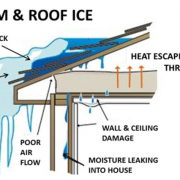
An ice dam is a ridge of ice that forms at the edge of a roof, preventing melting snow and ice from draining properly. This can cause water to back up under the shingles and leak into your home, leading to damaged ceilings, walls, and insulation.
The Ice Dam Formation Process: Step by Step
- Uneven Roof Temperatures: Warm air escapes from the attic, warming the upper roof surface.
- Snow Melts: Snow melts even when outdoor temperatures are below freezing.
- Water Refreezes: Melted water refreezes near the colder eaves.
- Ice Dam Forms: Ice builds into a ridge that blocks proper drainage.
- Water Backs Up: Water pushes under shingles and leaks inside the home.
Understanding this process is the first step in preventing ice dams. By controlling roof temperature and drainage, you can significantly reduce your risk.
Chicago Ice Dams: Why They Are So Common
Chicago’s climate creates perfect conditions for ice dam formation. Frequent freeze-thaw cycles cause snow to melt and refreeze repeatedly, accelerating ice buildup along roof edges.
Many older Chicago homes also lack modern insulation and ventilation standards. Combined with heavy snowfall, these factors make ice dam prevention essential for homeowners throughout the city and surrounding suburbs.
Identifying Ice Dams: Warning Signs Homeowners Should Watch For
- Visible ice ridges along roof edges or gutters
- Large icicles forming consistently in one area
- Water stains on ceilings or exterior-facing walls
- Peeling paint or bubbling drywall
- Wet attic insulation
If you notice these signs, prompt action is critical to avoid serious structural damage.
Preventing Ice Dams on Chicago Homes
Improve Attic Insulation and Ventilation
Proper insulation prevents heat from escaping into the attic. In Chicago, attic insulation should typically reach an R-value of R-49 to R-60. Balanced ventilation using soffit and ridge vents keeps roof temperatures consistent.
Safe Roof Snow Removal
Using a roof rake from the ground helps remove snow before ice dams form. Focus on the lower roof sections and always prioritize safety.
Heated Cables and Ice Melt Systems
Professionally installed heated cables or panels create drainage channels that reduce ice buildup. These systems should always be installed by qualified professionals familiar with Chicago winters.
Ice Dam Removal: Safe and Effective Options
Professional Steam Ice Dam Removal
Steam removal is the safest and most effective way to remove Chicago ice dams. It melts ice without damaging shingles, flashing, or underlayment.
For additional cold-climate building standards, homeowners can reference guidance from the U.S. Department of Energy.
Revived Exteriors provides professional steam ice dam removal throughout Chicago and nearby suburbs using specialized equipment and trained technicians.
DIY Ice Dam Removal: What to Do (and What NOT to Do)
- Use roof rakes to remove snow
- Apply calcium chloride ice melt (never rock salt)
- Create drainage channels using ice melt socks
- Never chip ice with tools
- Never climb icy or steep roofs
- Never use pressure washers
The Cost of Ice Dam Damage in Chicago
- Roof deck and shingle repairs
- Interior ceiling and wall damage
- Mold remediation
- Increased energy bills
Preventive measures and timely removal often cost far less than repairing unchecked ice dam damage.
Insurance Coverage for Ice Dam Damage
Most homeowner insurance policies cover ice dam damage, but coverage varies. Always document damage and contact your insurance provider promptly.
Choosing a Chicago Ice Dam Removal Company
- Local experience
- Steam-based equipment
- Proper licensing and insurance
- Verified reviews and references
Revived Exteriors has over 25 years of experience protecting Chicago homes from winter roof damage.
Preparing Your Home for Future Chicago Winters
- Inspect roofing annually
- Clean gutters before winter
- Trim overhanging branches
- Consider gutter guards
Conclusion: Staying Ahead of Chicago Ice Dams
Ice dams are a serious but preventable problem for Chicago homeowners. With proper insulation, ventilation, snow removal, and professional assistance when needed, you can protect your home and avoid costly repairs.
Because Chicago ice dams are driven by local climate, insulation quality, and roof design, addressing the root cause is always more effective than repeated emergency repairs.
Ready to Get Started?
Superior craftsmanship, quality products, and a stress-free customer experience delivered by a family-owned team with over 25 years of experience.

 Revived Exteriors


 Revived Exteriors

