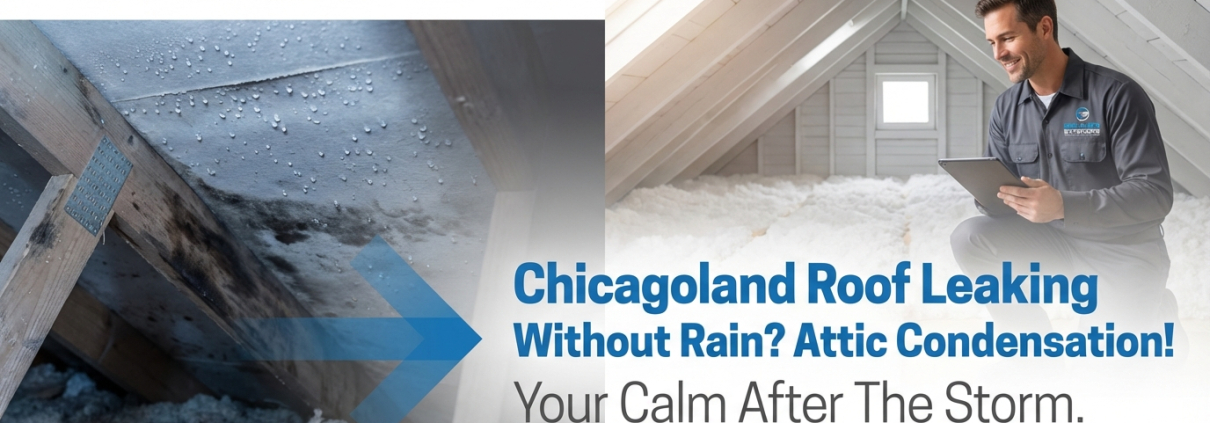
Chicagoland Roof Leaking Without Rain? Attic Condensation!

Why My Chicagoland Roof Is Leaking Without Rain: A Hidden Attic Condensation Problem

Discovering a leak in your roof is never a pleasant experience. If you’re dealing with a roof leaking without rain, the issue often isn’t damaged shingles at all—especially in Chicagoland, where attic condensation is a common and frequently overlooked cause. Homeowners may notice water stains or dripping even during dry weather, leading to confusion and unnecessary repairs. Revived Exteriors is here to explain why a roof leaking without rain happens, how attic condensation plays a role, and what steps you can take to fix the issue properly.

Understanding Why Your Roof Is Leaking Without Rain

Attic condensation occurs when warm, moist air rises from the living spaces below and meets the cold surfaces in your attic. This temperature difference causes the moisture to condense, forming water droplets that can eventually lead to leaks and other issues.

Sources of Moisture in Your Home

Several everyday activities can contribute to excessive moisture in your home, ultimately increasing the risk of attic condensation. These include:

These moisture sources are often overlooked, which is why many homeowners don’t realize that a roof leaking without rain is frequently caused by attic condensation rather than an exterior roof failure.

  • Showering and bathing: Hot showers and baths release significant amounts of water vapor into the air.
  • Cooking: Boiling water, steaming vegetables, and even washing dishes generate moisture.
  • Laundry: Washing and drying clothes, especially without proper ventilation, can add to indoor humidity.
  • Houseplants: While beneficial, houseplants release moisture through transpiration.
  • Humidifiers: While intended to improve air quality, overusing humidifiers can create excessive moisture levels.
  • Basement moisture: A damp basement can contribute significantly to overall humidity levels within the house.

Signs of Attic Condensation

Identifying attic condensation early is crucial to preventing significant damage. Look for these telltale signs:

  • Water stains on the ceiling: Circular or irregular stains are a common indication of a roof leak, even if it hasn’t rained.
  • Dripping water: Noticeable drips, especially after a period of cold weather, suggest condensation is occurring.
  • Mold or mildew growth: Mold and mildew thrive in damp environments, so their presence in the attic is a red flag.
  • Musty odors: A persistent musty smell can indicate moisture buildup and mold growth.
  • Rotted wood: Condensation can lead to wood rot, weakening the structural integrity of your roof.
  • Wet insulation: Damp or soggy insulation loses its effectiveness and can contribute to further moisture problems.

The Importance of Proper Attic Ventilation

Poor attic airflow is one of the most common reasons homeowners experience a roof leaking without rain, especially during Chicagoland winters.

Adequate attic ventilation is the key to preventing and mitigating attic condensation. Ventilation allows moist air to escape, preventing it from condensing on cold surfaces. There are several types of attic vents, including:

  • Soffit vents: Located under the eaves, soffit vents allow fresh air to enter the attic.
  • Ridge vents: Running along the peak of the roof, ridge vents allow warm, moist air to escape.
  • Gable vents: Situated on the gable ends of the house, gable vents provide cross-ventilation.
  • Box vents: Also called turtle vents, these are placed strategically across the roof surface.

A balanced ventilation system, with both intake (soffit) and exhaust (ridge or gable) vents, is essential for optimal performance. Insufficient ventilation traps moisture, while excessive ventilation can lead to energy loss.

According to the U.S. Department of Energy, improper attic ventilation can trap warm, moist air and lead to condensation issues that homeowners often mistake for a roof leak—especially when dealing with a roof leaking without rain.

U.S. Department of Energy guidelines on attic ventilation and moisture control.

The Role of Insulation in Condensation Control

Proper insulation is another critical factor in preventing attic condensation. Insulation helps to maintain a consistent temperature in the attic, reducing the temperature difference that leads to condensation. It also prevents warm, moist air from the living spaces below from reaching the attic.

Ensure your attic has adequate insulation levels according to Chicagoland building codes. Consider using vapor barriers to further reduce moisture migration.

How Revived Exteriors Can Help

If you suspect attic condensation is causing your roof to leak, Revived Exteriors can provide comprehensive solutions. Our experienced team will:

  • Inspect your attic: We’ll thoroughly assess your attic for signs of condensation, mold, and other issues.
  • Evaluate your ventilation: We’ll determine if your attic ventilation system is adequate and make recommendations for improvement.
  • Assess your insulation: We’ll check your insulation levels and identify areas that need to be upgraded.
  • Repair roof leaks: We’ll identify and repair any existing roof leaks, preventing further water damage.
  • Install or repair ventilation systems: We can install or repair soffit vents, ridge vents, gable vents, and other types of attic vents.
  • Upgrade insulation: We offer a variety of insulation options to meet your specific needs and budget.

DIY vs. Professional Help

While some homeowners may be tempted to tackle attic condensation issues themselves, it’s often best to seek professional help. Diagnosing the root cause of condensation can be challenging, and improper repairs can exacerbate the problem. Revived Exteriors has the expertise and equipment to accurately identify and address attic condensation issues effectively and safely.When a roof leaking without rain is misdiagnosed as a shingle failure, homeowners often spend money on repairs that don’t solve the real problem.

Preventative Measures to Minimize Condensation

Even after addressing existing condensation problems, taking preventative measures can help minimize future issues. These include:

  • Run exhaust fans: Use exhaust fans in bathrooms and kitchens while showering, cooking, and washing dishes.
  • Vent clothes dryers: Ensure your clothes dryer is properly vented to the outside.
  • Control humidity levels: Use a dehumidifier in damp areas, such as basements.
  • Seal air leaks: Caulk and seal any air leaks around windows, doors, and pipes.
  • Monitor attic conditions: Regularly inspect your attic for signs of moisture or mold.

Conclusion

A leaking roof without rain can be a frustrating and concerning issue. In Chicagoland, attic condensation is a common cause. By understanding the sources of moisture, recognizing the signs of condensation, and ensuring proper ventilation and insulation, you can protect your home from water damage and mold growth. Contact Revived Exteriors today for a comprehensive attic inspection and expert solutions to address your attic condensation concerns. Let us help you keep your home dry and healthy. If your home has a roof leaking without rain, addressing attic condensation early can prevent mold, structural damage, and costly repairs.

Ready to Get Started?

Superior craftsmanship, quality products, and a stress-free customer experience delivered at fair market prices by a family-owned team with over 25 years of experience.
Visit Our Homepage

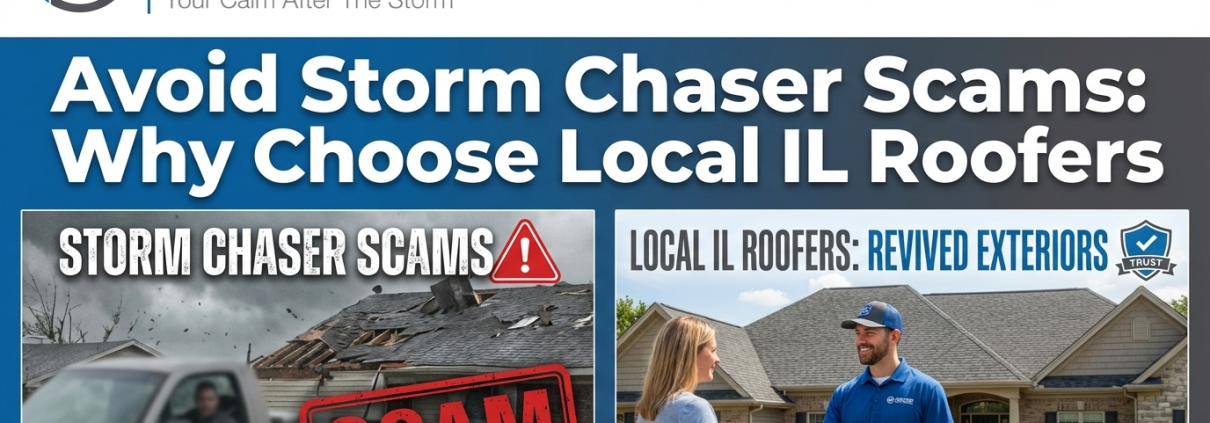
Avoid Storm Chaser Scams: Why Choose Local IL Roofers

Avoid Storm Chaser Scams: Choose Local IL Pros

When a severe storm sweeps through Illinois, leaving a trail of hail damage or missing shingles, the immediate aftermath can feel chaotic. Unfortunately, this vulnerability attracts opportunistic contractors known for storm chaser scams—out-of-town operators who flood storm-damaged neighborhoods looking to take advantage of stressed homeowners. Choosing a reputable, local professional isn’t just about supporting the community; it’s the single most effective way to protect your home and your wallet from fraud.

At Revived Exteriors, we believe in being your calm after the storm. Below is a definitive guide to understanding storm chaser scams, how to spot the warning signs, and why hiring an established Illinois roofing contractor matters.

Quick Answer: What Is a Storm Chaser?

A storm chaser is typically an out-of-town contractor who travels to areas recently hit by severe weather to solicit roofing work. These contractors often rely on aggressive door-knocking, vague promises, and urgency to secure jobs quickly. Many storm chaser scams involve upfront payments, incomplete work, or disappearing contractors who leave before warranty issues arise—leaving homeowners with little or no recourse.

The Aftermath: Why Illinois Homeowners Are Targets

Illinois sits in a volatile weather corridor, experiencing everything from intense summer heat and humidity to freezing winters and powerful spring hailstorms. This makes roofs across Chicagoland frequent targets for storm damage—and prime opportunities for storm chaser scams.

When a major hail event hits the Chicago suburbs, entire neighborhoods may be impacted at once. Storm chasers know this creates:

  • Insurance claim confusion

  • Fear of further damage

  • Pressure to “act fast”

Unfortunately, that pressure is exactly what fraudulent contractors rely on.

Common Storm Chaser Scams Illinois Homeowners Should Avoid

Storm chaser scams often follow predictable patterns. Watch for these red flags:

  • Immediate door-knocking after a storm with claims they “just finished your neighbor’s roof”

  • No local address or Illinois business license

  • Requests for large upfront payments or cash-only deals

  • “Free roof” or “insurance will pay for everything” promises

  • High-pressure tactics, such as “sign today or lose coverage”

  • No written scope of work or vague contracts

If a contractor pushes urgency instead of transparency, it’s a strong indicator of a storm chaser scam.

Why Storm Chaser Scams Cost Homeowners More in the Long Run

While storm chasers often appear cheaper upfront, the long-term costs are far higher. Poor workmanship can lead to leaks, voided manufacturer warranties, denied insurance claims, and costly repairs years later. In many storm chaser scams, the contractor is long gone by the time problems surface.

The Illinois Attorney General has repeatedly warned homeowners about contractor fraud following severe weather events, urging residents to verify credentials and avoid pressure-based decisions.

How to Protect Yourself From Storm Chaser Scams

Protecting your home starts with slowing down and verifying who you’re working with. To avoid storm chaser scams:

  • Verify the contractor holds an Illinois license

  • Confirm a local office address, not just a temporary phone number

  • Ask for proof of insurance and manufacturer certifications

  • Demand a detailed, written contract

  • Never sign over insurance checks before work is completed

  • Get a professional roof inspection from a trusted local company

Working with a local contractor ensures accountability long after the storm passes.

Why Hiring a Local Illinois Roofing Contractor Matters

Local roofing contractors depend on their reputation within the community. They understand Illinois building codes, regional weather patterns, and long-term performance requirements. Unlike storm chasers, established Illinois roofing professionals are here before the storm—and after the work is done.

At Revived Exteriors, we live and work in the communities we serve. Our warranties, workmanship, and reputation are built to last, not disappear with the next weather system.

How Revived Exteriors Helps Homeowners After a Storm

If you’re unsure whether your roof was damaged—or whether a contractor’s offer is legitimate—Revived Exteriors can help by providing:

  • Honest storm damage evaluations

  • Clear insurance guidance without pressure

  • Professional documentation and inspections

  • Long-term roofing solutions backed by local accountability

Our goal is to protect homeowners from storm chaser scams while delivering quality work that stands up to Illinois weather.

Conclusion: Don’t Let Storm Chaser Scams Add to the Damage

Storm damage is stressful enough without the added risk of fraud. Storm chaser scams thrive on urgency, confusion, and fear—but informed homeowners can avoid them. By understanding the warning signs and choosing a trusted local Illinois roofing professional, you protect your home, your finances, and your peace of mind.

If you’ve experienced storm damage and want an honest, pressure-free evaluation, contact Revived Exteriors today. We’re here to help—long after the storm clouds clear.

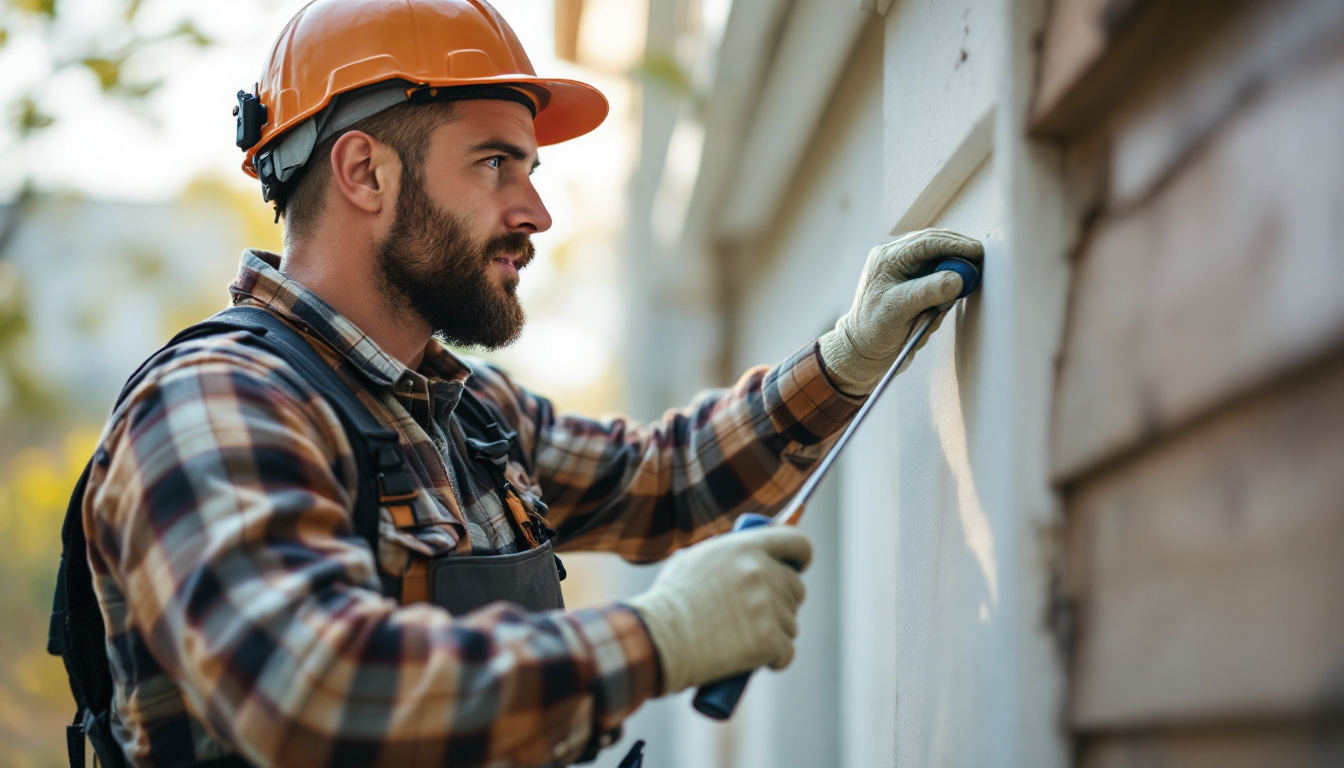
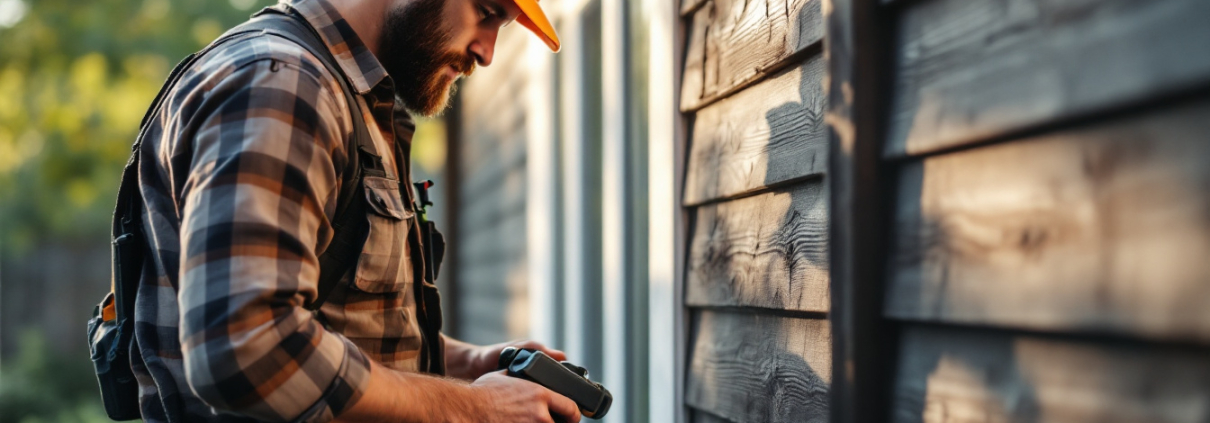
A photograph of a professional contractor inspecting and maintaining the exterior siding of a home

Siding plays a crucial role in protecting a home from the elements, providing insulation, and enhancing curb appeal. However, like any other component of a house, siding requires regular maintenance to function effectively and extend its lifespan. This article delves into the importance of scheduled exterior maintenance, specifically focusing on siding, and how proactive measures can prevent costly failures.

Understanding the Importance of Exterior Maintenance

Many homeowners may underestimate the significance of regular exterior maintenance. The façade of a house is continuously exposed to wind, rain, snow, and sunlight, leading to wear and tear over time. Without proper care, siding can become vulnerable, allowing moisture to infiltrate and cause damage to the underlying structures.

Section Image

Exterior maintenance is crucial not only for aesthetic reasons but also for structural integrity. Regular inspections can help identify potential issues before they escalate into severe problems, potentially saving homeowners from unexpected repair costs. Furthermore, maintaining the exterior can enhance the overall value of a property, making it more appealing to future buyers. A well-maintained exterior not only boosts curb appeal but also reflects the pride of ownership, creating a welcoming atmosphere for guests and passersby alike.

In addition to visual appeal, exterior maintenance can also improve energy efficiency. By ensuring that insulation and siding are in good condition, homeowners can better regulate indoor temperatures, reducing reliance on heating and cooling systems. This not only contributes to lower utility bills but also minimizes the environmental impact of excessive energy consumption.

The Role of Scheduled Maintenance

Scheduled maintenance refers to a proactive approach to caring for a property. By setting regular intervals for inspections and upkeep, homeowners can ensure that their siding remains in good condition. This systematic approach allows for timely identification of issues such as cracks, warping, paint peeling, or mold growth.

One of the primary benefits of scheduled maintenance is that it creates a predictable routine. Homeowners can plan their budgets and resources accordingly, avoiding costly emergency repairs due to neglected issues. Moreover, knowing when to conduct inspections reduces the likelihood of overlooking critical maintenance tasks. Establishing a seasonal checklist can be particularly helpful, allowing homeowners to address specific tasks such as cleaning gutters in the fall or checking for winter damage in early spring.

Additionally, engaging professionals for scheduled maintenance can provide homeowners with expert insights and recommendations. These specialists are trained to spot subtle signs of wear that may go unnoticed by the untrained eye, ensuring that any necessary repairs are addressed promptly. This partnership not only fosters a sense of security but also empowers homeowners with knowledge about their property’s condition.

Common Signs of Siding Failure

Awareness of the common signs of siding failure is an integral part of effective exterior maintenance. Look for symptoms such as peeling paint, fading colors, cracks, or bulging panels. Additionally, homeowners should be vigilant for signs of moisture intrusion, which can manifest as mold or mildew on the siding surface.

Another telltale sign is increased energy bills. If siding is failing to insulate a home effectively, it can lead to fluctuating indoor temperatures, causing HVAC systems to work harder and consume more energy. Homeowners should also pay attention to any unusual sounds, such as creaking or popping, which may indicate that the siding is shifting or expanding due to moisture exposure.

Furthermore, the presence of pests can also signal siding failure. Termites, carpenter ants, and other wood-boring insects are often attracted to damaged or decaying siding, which can lead to even more extensive damage if not addressed. Regular inspections can help catch these issues early, allowing for targeted treatments and repairs that can save homeowners significant time and money in the long run.

Effective Maintenance Strategies

Implementing an effective maintenance strategy is key to prolonging the lifespan of siding. Regular cleaning, inspection, and timely repairs can significantly reduce the risk of siding failure. One of the simplest yet most effective maintenance tasks is cleaning the siding. Debris, dirt, and moisture accumulation can lead to deterioration, encouraging mold growth and creating attractive conditions for pests. Additionally, neglecting maintenance can lead to more significant issues down the line, such as water infiltration and structural damage, which can be costly to repair.

Cleaning Techniques

Cleaning can typically be achieved through a gentle power wash or using a soft-bristle brush along with soap and water for tougher stains. Be cautious with additional cleaning agents; choosing the right products can ensure that the siding material is not compromised. For vinyl siding, avoid abrasive cleaners, as they can scratch the surface. It’s also advisable to clean your siding during mild weather, as extreme temperatures can affect the cleaning solution’s effectiveness and the siding’s ability to dry properly. Regular cleaning not only enhances the aesthetic appeal of your home but also helps maintain its value over time.

After cleaning, it’s advised to conduct a thorough inspection of the siding. Look for any signs of wear and initiate repairs promptly to address any identified issues before they escalate. Pay special attention to seams and joints where water might infiltrate, as these areas are particularly vulnerable. Additionally, consider checking for any signs of insect activity, such as frass or small holes, which could indicate a pest problem that needs immediate attention.

Professional Inspections

While homeowners can manage some maintenance tasks, it is beneficial to hire professionals for more in-depth inspections. Building experts can identify potential problems that may not be apparent to the untrained eye. Professional services often provide comprehensive assessments that include checking for underlying structural issues and the condition of insulation beneath the siding. These inspections can be particularly valuable after severe weather events, as high winds and heavy rain can cause hidden damage that may not be immediately visible.

Furthermore, professionals can provide tailored maintenance plans based on the specific needs of a property, taking into account factors such as local weather, the type of siding material, and the age of the home. They may also offer insights into the best practices for maintaining your specific siding type, whether it be wood, vinyl, or fiber cement. By investing in professional maintenance services, homeowners can ensure that their siding remains in optimal condition, ultimately saving money on costly repairs and enhancing the overall longevity of their home’s exterior.

Choosing the Right Siding Material

Understanding different siding materials and their associated maintenance needs is essential for effective exterior upkeep. Various options, such as vinyl, wood, fiber cement, and metal siding, have distinct requirements. For instance, wood siding may require more frequent painting or staining compared to vinyl siding, which generally has lower maintenance needs. Homeowners should also consider the climate in their region, as certain materials perform better under specific weather conditions. For example, homes in areas with high humidity might benefit from fiber cement siding, which is resistant to rot and pests, while those in dry climates may find that vinyl siding holds up better against sun damage.

Longevity and Maintenance Requirements

When selecting siding materials, balance longevity with maintenance requirements. Fiber cement siding is considered a durable option that can withstand the elements with minimal maintenance. On the other hand, aluminum siding can also offer longevity but may require repainting over time to prevent corrosion. Additionally, homeowners should be aware that while some materials like vinyl may not require painting, they can fade over time and may need occasional cleaning to maintain their appearance. Understanding the specific characteristics of each material can help homeowners choose the best option for their lifestyle and budget, ensuring that they invest in a siding solution that will stand the test of time.

Ultimately, understanding the lifecycle and maintenance implications of each material type can guide homeowners to make informed decisions that align with their long-term property goals. Furthermore, considering energy efficiency ratings associated with different siding materials can lead to better insulation and lower energy bills, adding another layer of value to the investment.

Preparing for Seasonal Changes

Planning scheduled maintenance should also involve preparing for seasonal changes. For instance, before winter, it’s essential to inspect and secure any loose panels or paint to prevent water intrusion from snow or ice melt. In the spring, homeowners can focus on cleaning and refreshing the exterior after a hibernation period. This can include power washing the siding to remove dirt and mildew, which not only enhances curb appeal but also prolongs the life of the siding material. Additionally, applying a protective sealant on wood siding can help guard against moisture and pests, ensuring that the investment remains intact.

By adapting maintenance routines to the seasons, homeowners can ensure that their siding is ready to weather any condition, reducing the risks of damage and siding failure. Regular inspections throughout the year can also help catch potential issues early, such as cracks or gaps that may allow moisture to seep in. This proactive approach not only saves money on extensive repairs down the line but also contributes to the overall health and longevity of the home’s exterior, creating a safe and inviting environment for years to come.

Conclusion

Scheduled exterior maintenance is a critical aspect of homeownership that can prevent siding failure and enhance property value. Understanding the importance of regular inspections, being aware of signs of deterioration, and implementing effective maintenance strategies are key steps in protecting your investment.

Investing time and resources into exterior maintenance not only prolongs the lifespan of your siding but also contributes to a safer, more energy-efficient home. By prioritizing maintenance, homeowners can rest assured that their property remains in prime condition, shielding against the elements and enhancing its overall aesthetic appeal.

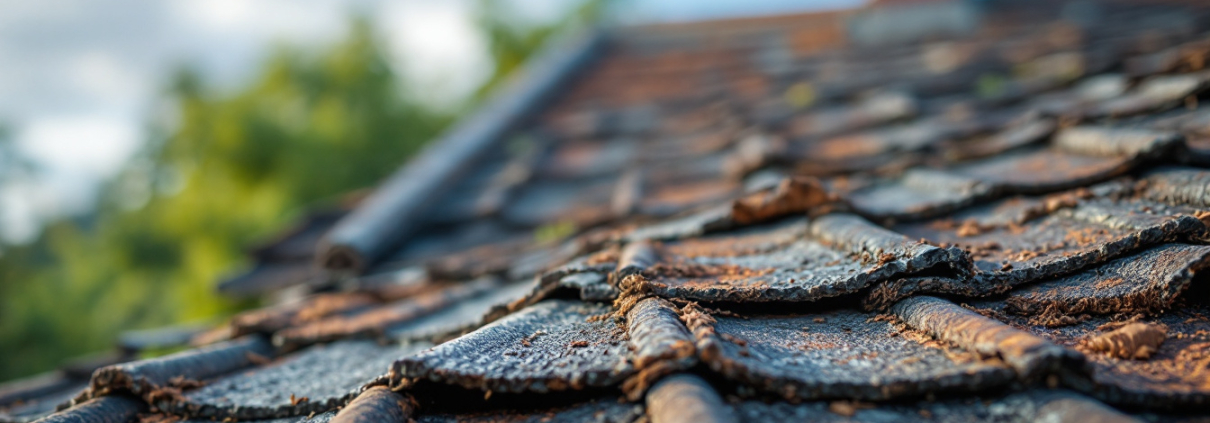
A photograph of a weathered roof showing visible signs of aging

Your roof is one of the most crucial components of your home, acting as a shield against environmental elements while contributing to the overall aesthetics and energy efficiency of the property. If your roof is over 15 years old, the time may be drawing near for a replacement. Ignoring the early signs of roof deterioration can lead to more extensive problems down the road, both financially and structurally.

This article will delve into the key indicators that your roof may need replacement and highlight the potential costs of postponing this critical home improvement. Being proactive about roof maintenance can save you money, time, and stress in the long run.

Signs Your Roof May Need Replacement

As your roof ages, it is essential to remain vigilant regarding its condition. Several signs can indicate that your roof is nearing the end of its lifespan. Regular inspections, particularly after severe weather events, can significantly help in detecting issues early.

Section Image

One of the first signs you may notice is the presence of missing or damaged shingles. Shingles that are cracked, curled, or completely absent can expose your roof to leaks and further damage. Additionally, the granules from asphalt shingles can accumulate in gutters; if you find a notable amount, this could signify wear and tear.

Another telltale sign of a failing roof is the development of leaks. Water stains on your ceilings or walls often indicate that moisture is penetrating through your roofing system. Look for sagging areas in these structures, as they may also suggest material failure. Regular ceiling inspections can reveal these issues before they escalate.

Visible Wear and Tear

Over time, roofs undergo natural wear and tear. Various factors, including weather conditions, environmental aspects, and inadequate ventilation, contribute to this decline. For instance, prolonged exposure to sunlight can cause materials to degrade quicker than expected. If you observe significant wear, this is a clear signal that replacement may be in order.

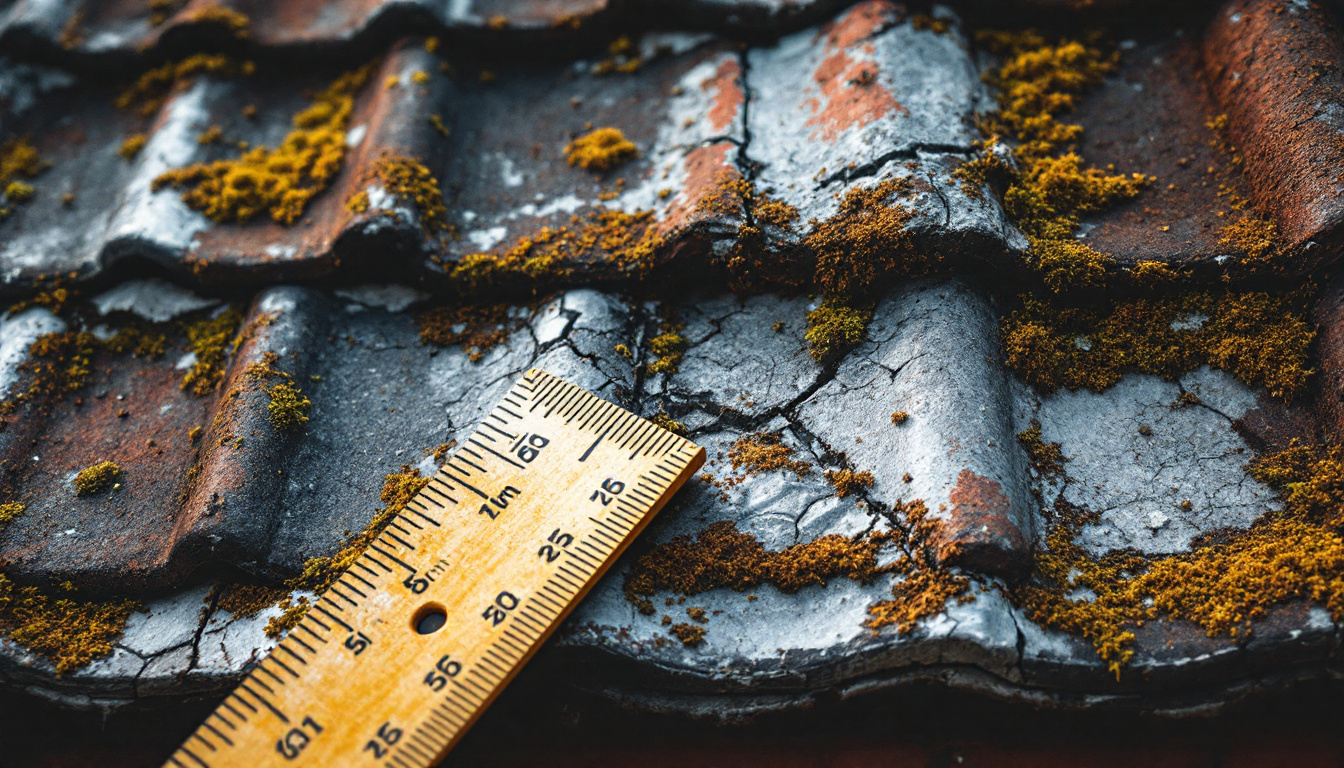
Additionally, moss and algae growth can trap moisture against the roofing surface, accelerating deterioration. If left unchecked, the growth can compromise the integrity of the roof’s materials, leading to further complications like mold and structural damage, which are even more expensive to repair. Regular cleaning and maintenance can help mitigate these issues, but if the growth persists, it may be time to consider a full roof replacement to protect your home.

Signs of Water Damage

Water damage is one of the most detrimental outcomes of a failing roof. It can manifest as dark spots on ceilings, peeling paint, or mold growth in hidden areas. If you experience these signs in your home, it is crucial to act promptly. Chronic water intrusion can lead to rotting wood, compromised insulation, and even foundation issues, adding to the potential costs of repair.

Moreover, if you hear dripping sounds during rainstorms or notice puddles pooling in your attic, these are clear indicators that your roof needs immediate attention. Ignoring these warning signs could lead to an expensive overhaul of not just your roofing but other parts of your home affected by water damage. Furthermore, if you have a finished attic or living space beneath the roof, the risk of water damage increases significantly, potentially affecting your belongings and creating an unhealthy living environment due to mold proliferation.

It’s also worth noting that water damage can sometimes lead to electrical issues if moisture reaches wiring. This not only poses a risk of fire but can also result in costly repairs for your electrical system. Therefore, addressing any signs of water damage as soon as they appear is crucial in maintaining both the safety and integrity of your home.

The Financial Implications of Delaying Roof Replacement

Putting off roof replacement might seem like a cost-saving strategy in the short term, but it can lead to far greater expenses in the future. Procrastinating on necessary repairs can cause complications that extend beyond the roof itself.

For instance, if a small leak goes unaddressed, it could lead to extensive damage to your home’s framework or insulation, significantly increasing your repair budget. In many cases, homeowners discover too late that they could have saved money by replacing their roof sooner rather than later.

The Cost of Emergency Repairs

Emergency repairs often come with a premium price tag. When roof issues escalate, you may find yourself in a situation where hasty fixes are your only option to prevent further water infiltration or structural damage. These emergency services tend to be more expensive than routine maintenance chores.

In addition to inflated repair costs, the urgency of an emergency situation can rush the decision-making process for homeowners, leading to choices they might not otherwise make, including hiring less experienced contractors or accepting subpar materials.

Furthermore, the stress and disruption caused by emergency repairs can take a toll on your daily life. You may find yourself dealing with contractors in a hurry, juggling schedules, and managing the chaos that often accompanies sudden repairs. This added pressure can lead to oversights in the selection process, potentially resulting in a less-than-ideal outcome that could have been avoided with proactive planning.

Impact on Home Value

Another crucial factor to consider is how a deteriorating roof can affect your home’s market value. Potential buyers view a new roof as a significant asset; hence, the value of your home may significantly decrease if your roof’s condition is poor. Buyers are more likely to look elsewhere if they perceive that they will face substantial replacement costs shortly after purchasing.

Moreover, some home insurance policies may have clauses regarding roof condition, and failing to maintain or replace an aging roof could lead to denied claims due to pre-existing conditions. Investors also tend to shy away from properties that appear to require immediate repair work, which can decrease demand in a competitive market.

Additionally, the aesthetic appeal of your home can diminish with a worn or damaged roof. Curb appeal plays a vital role in attracting potential buyers, and a roof that shows signs of wear can create a negative first impression. This can deter prospective buyers before they even step inside, impacting not only the sale price but also the time your home spends on the market. Ultimately, investing in a new roof can be seen as a strategic move that enhances both the safety and attractiveness of your property, making it a wise financial decision in the long run.

Consulting Professionals

The best course of action when faced with an aging roof is to consult with professionals who can conduct a thorough inspection and provide expert recommendations. Roofing professionals can assess the quality of your existing roof and determine whether repairs are sufficient or if a complete replacement is the best route. Their expertise extends beyond just the visible aspects of the roof; they can identify underlying issues such as water damage, mold growth, or structural weaknesses that may not be immediately apparent. This comprehensive evaluation is crucial for ensuring that any decision made is based on a full understanding of the roof’s condition.

When seeking a professional, look for licensed contractors who bring a wealth of experience and positive customer reviews. They can guide you through the available materials that fit your budget while offering warranties that ensure your investment is protected. Additionally, many reputable contractors provide detailed consultations where they explain the pros and cons of various roofing materials, including asphalt shingles, metal roofing, and tile options. This knowledge empowers homeowners to make informed choices that not only enhance the aesthetic appeal of their homes but also contribute to energy efficiency and long-term durability.

Getting Multiple Estimates

Acquiring estimates from multiple contractors is a wise decision, as it gives you a better understanding of the market rate for the service you require. This process allows you to compare quotes, examine materials, and choose the contractor who aligns best with your budget and project goals. When obtaining these estimates, ensure that they include a detailed breakdown of costs, timelines, and the scope of work to be performed. This transparency will help you avoid hidden fees and ensure that you receive a fair deal.

Additionally, having multiple assessments helps ensure that you’re making an informed decision based on various professional opinions. Roof replacements are significant investments, and informed decisions mitigate the risk of regret later on. It’s also beneficial to ask each contractor about their previous projects and request references. Speaking with past clients can provide insight into the contractor’s reliability, quality of work, and customer service, further guiding your decision-making process.

Timely Decisions Are Key

Ultimately, the key to maximizing the lifespan of your roof—and minimizing replacement costs—lies in the choices you make today. Regular inspections, knowing the warning signs, timely replacements, and consulting with professionals can make all the difference. For instance, understanding the typical lifespan of various roofing materials can help you anticipate when you might need to start planning for a replacement, allowing you to budget accordingly and avoid last-minute, costly decisions.

Being proactive ensures that your home remains structurally sound and protected against environmental hazards. While the idea of replacing a roof can appear daunting, remember that making timely decisions today is an investment in your home’s future. Moreover, consider the potential energy savings that come with a new roof. Modern materials are designed to improve insulation and reduce energy costs, adding further value to your investment. By prioritizing your roof’s maintenance and timely upgrades, you not only safeguard your home but also enhance its market value and curb appeal.

If your roof is over 15 years old, don’t wait for nature to dictate your decisions. Observing the signs, understanding the financial implications, and consulting professionals can save you time, money, and stress, enhancing the longevity of your residence.

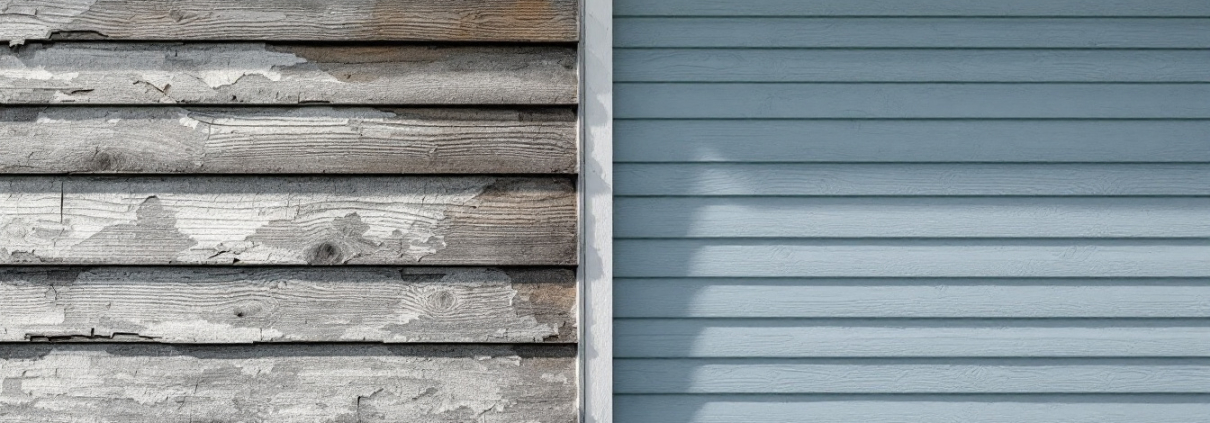
A photograph of a home with visibly outdated siding materials

Your home’s exterior is the first line of defense against the elements, as well as a reflection of your personal style. Over time, however, even the best siding materials can succumb to wear and tear, prompting the need for replacement. Understanding when it’s time to replace your home’s siding can save you from further complications and expenses down the line. In this article, we will explore the signs of siding deterioration, the risks involved in ignoring these signs, popular materials and their lifespans, and the benefits of upgrading your home’s exterior.

Signs Your Siding Needs Replacement

Recognizing the signs that your siding may need to be replaced is crucial. Waiting too long can result in further damage not only to the siding itself but also to the underlying structure of your home. Here are some telltale indicators that it might be time to consider replacement.

Visible Cracks and Warping

Visible cracks, warping, or buckling in your siding are significant red flags. These deformities can compromise the integrity of your home’s exterior and can lead to further issues, such as water intrusion, if left unchecked. Cracks can allow moisture to seep into your walls, leading to mold and mildew problems. If you notice warping, it may be the time to call in a professional to assess the extent of the damage.

In addition, warped siding can also have a detrimental effect on the overall aesthetic of your home. If the appearance of your siding is compromised, it can give an impression of neglect and lead to decreased property value. Therefore, should you see any signs of noticeable warping or cracking, the best approach is to consult with a siding expert promptly. Furthermore, it’s important to consider that siding materials vary in durability; for instance, wood siding may be more susceptible to warping compared to vinyl or fiber cement. Understanding the specific material of your siding can help you make informed decisions about maintenance and replacement.

Mold, Mildew, and Fungus Growth

The presence of mold, mildew, or fungus on your siding is another indicator that replacement is necessary. These growths typically thrive in moist conditions, suggesting that water has penetrated the siding. This not only poses health risks to you and your family but also weakens the siding’s material over time.

Even if only a small patch of mold or mildew is observed, the underlying issues typically indicate something more severe potentially lurking beneath the surface. If you encounter these growths, it’s advisable to investigate the source of moisture. Replacing the siding may also be essential in preventing recurring mold issues in the future. Additionally, it’s worth noting that some siding materials are treated to resist mold and mildew, so exploring options that offer enhanced protection can be beneficial for long-term maintenance.

Peeling Paint or Wallpaper Indoors

If you notice peeling paint or wallpaper inside your home, particularly on the walls that are adjacent to the siding, it may signal that there are moisture issues coming from the exterior. This is often an indication that your siding is no longer doing its job effectively in terms of protecting your home from the elements.

Indoor peeling paint can escalate into more significant problems, including damage to your interior finishes and even potential structural issues if the situation is not addressed. Therefore, this symptom should not be overlooked and should trigger a thorough evaluation of your exterior siding. Moreover, the type of paint used on your siding can also affect its longevity; high-quality, weather-resistant paint can help protect against moisture and UV damage, extending the life of your siding. Regular inspections and maintenance of both your siding and paint can help mitigate these issues before they necessitate a full replacement.

The Risks of Ignoring Old Siding

House siding is more than just an aesthetic feature; it serves vital functions in maintaining the integrity and safety of your home. Ignoring necessary replacements can expose you to various risks, which can escalate into larger, more expensive problems down the road.

Structural Damage

One of the most serious risks of neglecting to replace old siding is structural damage. If water infiltrates due to deterioration, it can wreak havoc on the underlying materials of your home, such as the framing, insulation, and even the foundation. Over time, this can result in rot, mold infestation, and, in severe cases, compromise the overall stability of your home.

Addressing structural damage often requires extensive repairs that significantly surpass the cost of simple siding replacement. Thus, staying ahead of any issues by replacing aging siding can help prevent costly remodeling and restore the safety of your home. Additionally, the presence of mold can pose health risks to your family, leading to respiratory issues and allergies, which makes timely siding replacement not just a matter of property maintenance but also a crucial aspect of safeguarding your family’s well-being.

Increased Energy Costs

Old siding that is damaged or warped can lead to rising energy costs. When siding is ineffective at providing insulation, it can allow drafts and heat loss during colder months, forcing your HVAC system to work harder. This inefficiency can result in skyrocketing energy bills, making your home not just uncomfortable but also more expensive to maintain.

Replacing outdated siding with modern, energy-efficient materials can enhance insulation and dramatically improve your heating and cooling costs. This upgrade not only saves money in the long run but also is a pivotal step in making your home more eco-friendly. Furthermore, many newer siding options come with added benefits, such as improved durability and lower maintenance requirements, which can further reduce long-term costs and enhance your home’s energy efficiency.

Decreased Curb Appeal

Outdated or worn siding can significantly affect the curb appeal of your home. Potential buyers form an impression of the entire property based solely on the exterior. If your siding appears degraded or unkempt, it can deter potential buyers or leave guests with a negative first impression.

Investing in quality siding materials can enhance the outward appearance of your home, making it more inviting and appealing. Increasing curb appeal isn’t merely about aesthetics; it can fundamentally impact property value and desirability. Moreover, homes with attractive exteriors often sell faster and at higher prices, making siding upgrades a smart investment for homeowners looking to sell in the future. By choosing siding that complements your home’s architectural style, you can create a cohesive look that not only elevates your property but also contributes to the overall charm of your neighborhood.

Popular Siding Materials and Their Lifespan

When considering a replacement, it’s essential to know the various siding materials available and their respective lifespans, enabling you to make informed decisions about which type works best for your home’s needs.

Vinyl Siding

Vinyl siding is one of the most popular choices among homeowners due to its durability, affordability, and low maintenance requirements. On average, vinyl siding can last between 20 to 40 years, depending on the quality and the installation process. It is resistant to rot, insect damage, and fading, making it a sensible choice for many climates.

However, it is essential to ensure that proper installation is carried out. Poorly installed vinyl siding can warp or buckle, leading to water infiltration and requiring earlier replacement than expected. Additionally, while vinyl siding comes in a variety of colors and styles, it may not have the same aesthetic appeal as natural materials. Homeowners should consider their neighborhood’s architectural style and their personal preferences when selecting vinyl siding to ensure it complements their home’s overall appearance.

Wood Siding

Wood siding offers a natural aesthetic that many homeowners find appealing. It generally has a lifespan of 20 to 30 years but requires regular maintenance, including staining and sealing to protect against weather and insects. If not cared for properly, wood siding can be prone to rot and decay.

While the beauty of wood lends a classic charm to homes, the ongoing maintenance can be an investment of time and resources that homeowners should be ready to commit to for longevity. Furthermore, the type of wood used can significantly affect the siding’s durability; for instance, cedar and redwood are known for their resistance to moisture and insects, making them superior choices for those looking for longevity. Homeowners should also consider the environmental impact of sourcing wood, opting for sustainably harvested materials whenever possible to align with eco-friendly practices.

Fiber Cement Siding

Fiber cement siding has gained popularity in recent years due to its superior durability and longevity. This material can last 30 to 50 years and is highly resistant to pests, rot, and extreme weather conditions, making it an excellent choice for various climates.

Furthermore, fiber cement siding offers versatility in design and style, allowing homeowners to achieve a wide range of aesthetics without sacrificing durability. However, the upfront cost can be higher than other materials, although many homeowners find it to be a worthwhile investment over time due to its longevity. Additionally, fiber cement siding can be painted in any color, providing flexibility for homeowners who wish to change their home’s look over the years. It’s also worth noting that fiber cement is non-combustible, making it a safer option in areas prone to wildfires, further enhancing its appeal for many homeowners looking for both beauty and safety in their siding choices.

Benefits of Updating Your Home’s Exterior

Investing in new siding may seem overwhelming, but the benefits can significantly outweigh the costs and time involved. Here are some of the key advantages of updating your home’s exterior.

Section Image

Enhanced Aesthetic Appeal

New siding can dramatically improve the visual appeal of your home. With a myriad of style options and color choices available, homeowners can tailor the exterior to reflect their personality and preferences. Whether you opt for a modern look or a classic appeal, new siding can increase the attractiveness of your home, making it a source of pride.

Improving the aesthetics of your property not only benefits you on a personal level but also serves to increase your home’s overall marketability if you decide to sell in the future. An appealing exterior can draw buyers in and even foster higher offers. Additionally, the right choice of siding can complement the architectural style of your home, creating a cohesive look that enhances curb appeal. For instance, pairing traditional wood siding with classic trim can evoke a timeless charm, while sleek vinyl panels can provide a contemporary edge.

Improved Energy Efficiency

As discussed, replacement siding can have a significant impact on your home’s energy efficiency. New materials designed with energy-saving features will ensure that your home maintains a comfortable temperature throughout the year while decreasing reliance on heating and cooling systems.

Over time, improved energy efficiency translates to lower utility bills, making your home not only more eco-friendly but also more financially sustainable in the long haul. Furthermore, many modern siding options come with insulation properties that can help regulate indoor temperatures even more effectively. This means that during the hot summer months or the chilly winter season, your home will remain comfortable without straining your HVAC system, leading to a more sustainable lifestyle and reduced carbon footprint.

Increased Property Value

Finally, one of the most compelling reasons to replace your siding is the potential boost in property value. Modernizing your home can make it more appealing to potential buyers, translating to a higher price point if you ever decide to sell.

In many cases, homeowners find that the return on investment (ROI) for new siding is substantial, easily recouping a significant portion of the expenditure at resale or even increasing their property’s market value considerably. Additionally, updated siding can signal to prospective buyers that the home has been well-maintained, which can be a deciding factor in their purchasing decision. Beyond just aesthetics, the durability of new siding materials can also assure buyers of lower maintenance costs in the future, making your property even more attractive in a competitive market.

Moreover, the installation of new siding can also enhance the structural integrity of your home. Over time, old siding can become warped or damaged, allowing moisture to seep in and potentially leading to mold or rot. By investing in new siding, you not only improve the appearance of your home but also protect it from the elements, ensuring that it remains a safe and comfortable place for you and your family.

A photograph of a modern home with a newly installed roof

Investing in a new roof may seem like a hefty expense upfront, but when examined from a long-term perspective, it can lead to significant financial savings. A roof plays a critical role not only in protecting your home from the elements but also in enhancing its overall energy efficiency and value. In this article, we will delve into the factors that contribute to understanding the true cost of a roof replacement and how making a wise investment today can pay dividends in the future.

Understanding the True Cost of a Roof Replacement

When considering the replacement of a roof, homeowners often focus solely on the immediate costs associated with the project. This perspective, however, is limiting. To fully grasp the implications of a roof replacement, one must evaluate the long-term benefits against the upfront investment. Several factors play a role in determining the total cost of a roof replacement.

Initially, it’s important to account for the price of materials and labor. Roofing materials can vary widely in price—from asphalt shingles, which are typically more affordable, to premium metal or slate options that offer superior durability and aesthetics. Labor costs also fluctuate based on the complexity of the installation and local market rates. Therefore, evaluating quotes from multiple contractors can help identify a fair price.

Additionally, quality should never be compromised for the sake of cost. Cheaper materials may save money in the short term but can lead to higher maintenance costs and premature replacement down the line. Investing in high-quality materials ensures a longer lifespan, ultimately decreasing the need for frequent repairs and replacements.

Hidden Costs and Factors to Consider

Beyond materials and labor, there are hidden costs associated with roof replacement that need to be factored into any financial considerations. For instance, while your home may require a new roof, it might also need repairs to the underlying structure caused by water damage or rot. These factors add to the immediate cost but are essential for the longevity of the new roof.

Another hidden cost arises from potential energy inefficiency in your current roof. An old or damaged roof can lead to significant heat loss during the winter months and excessive heat gain in the summer, resulting in higher energy bills. A new roof, especially one that incorporates reflective or energy-efficient materials, can drastically improve your home’s energy performance, resulting in lower utility bills over time.

Moreover, the choice of roofing material can also influence your home’s insurance premiums. Some materials may qualify for discounts due to their durability and resistance to weather-related damage. It’s advisable to check with your insurance provider to understand how a new roof could impact your coverage and costs. This consideration can further enhance the overall value of your investment.

Financing Your Roof Replacement

For many homeowners, the initial financial outlay for a new roof can be daunting. However, various financing options can help alleviate this burden. Many contractors offer financing plans that allow homeowners to spread the cost over time. Additionally, state and federal programs may provide incentives or rebates for energy-efficient upgrades.

Choosing to finance a new roof can work to your advantage. By investing in a roof that saves energy costs, you can potentially offset your monthly payments with the savings realized on your utility bills. A detailed cost-benefit analysis can clarify the minimum savings needed to justify the investment and help homeowners make informed financing decisions.

Furthermore, it’s essential to consider the timing of your roof replacement. Seasonal factors can influence both the cost and the efficiency of the installation process. For instance, roofing work is often more affordable during the off-peak seasons when contractors are less busy. Planning your project accordingly can lead to significant savings and a smoother experience, as contractors will have more time to dedicate to your home. Additionally, some roofing materials perform better in specific weather conditions, which can further enhance the quality of the installation and the longevity of your new roof.

Long-Term Benefits of a New Roof

Understanding the true cost of a roof replacement is vital, but just as important are the long-term benefits that such an investment brings. A new roof not only increases the value of your home, but it also improves energy efficiency, enhances curb appeal, and reduces maintenance needs over time.

Increased Property Value

One of the most compelling reasons to replace a roof is the impact it has on property value. Real estate experts consistently advise that a new roof is one of the best investments a homeowner can make. A well-maintained home is attractive to buyers, and a new roof can provide peace of mind, often allowing homeowners to ask for higher prices at resale.

Moreover, the type of roofing material can further influence home value. For instance, metal roofs are increasingly desirable for their longevity and aesthetics, potentially resulting in better returns on investment. Therefore, homeowners should consider not only their immediate needs but also how their roofing choices align with longevity and market trends. Additionally, a new roof can also enhance the overall safety of the home. An aging or damaged roof may lead to leaks and structural issues, which can deter potential buyers and significantly decrease property value. By investing in a new roof, homeowners not only protect their investment but also ensure that their home remains a safe and inviting space for years to come.

Enhanced Energy Efficiency

Another significant advantage of a new roof is its potential to enhance energy efficiency. Roofs installed with improved insulation, ventilation, and reflective materials can dramatically affect heating and cooling efficiency. This development means lower monthly energy bills, contributing significantly to savings in the long run.

Furthermore, energy efficiency isn’t just about lowering bills. In many regions, homeowners can benefit from tax credits or energy rebates for investing in energy-efficient roofing solutions. Therefore, selecting a roof with energy-saving characteristics pays off, both immediately and well into the future. Beyond financial incentives, a new roof can also contribute to a more comfortable living environment. By regulating indoor temperatures more effectively, homeowners can enjoy consistent climate control, reducing the need for excessive heating or cooling. This not only enhances personal comfort but also minimizes the environmental impact, making it a responsible choice for eco-conscious homeowners.

Final Considerations

In conclusion, while a roof replacement represents a significant upfront investment, understanding its long-term financial advantages can help homeowners appreciate its true value. By taking into account factors such as material quality, the hidden costs of deferred maintenance, and the energy efficiency of newer roofing systems, homeowners can make informed decisions. The choice of roofing material can greatly influence not only the aesthetic appeal of a home but also its durability and performance under various weather conditions. For instance, metal roofs, while initially more expensive, can last over 50 years with minimal maintenance, making them a wise choice for those looking to maximize their investment.

Section Image

Additionally, evaluating financing options can ease the initial burden while paving the way for future savings. Many homeowners may not be aware of available grants or low-interest loans specifically designed for energy-efficient home improvements, which can significantly offset the cost of a new roof. Furthermore, some roofing companies offer financing plans that allow homeowners to pay in installments, making it easier to manage the expense without compromising on quality. Ultimately, a new roof is not just a protective layer over your head; it is a long-term investment that can yield considerable savings, enhance property value, and provide peace of mind for years to come.

As with any significant home improvement, consulting with roofing professionals is essential. Their expertise can guide you toward the best materials and installation techniques, ensuring that your investment pays off in the long run. A reputable contractor can also provide insights into local building codes and regulations, which can vary significantly from one area to another. Remember, when it comes to roofing, quality is not a cost—it’s an investment in your future. Additionally, regular inspections and maintenance after installation can prolong the lifespan of your roof, allowing you to catch potential issues before they escalate into costly repairs. By staying proactive, homeowners can safeguard their investment and enjoy the benefits of a reliable and efficient roofing system for decades to come.

A photograph of a detailed

The roof is one of the most essential components of a building, playing a critical role in protecting the structure and its inhabitants from the elements. Finding the right roofing contractor is vital for ensuring that your roofing needs are met with professionalism and quality workmanship. In this article, we will explore various aspects of roofing services, including the importance of quality roofing, how to evaluate contractors, and tips for maintaining your roof post-service.

Understanding the Importance of Quality Roofing Services

Quality roofing services are paramount for the longevity and safety of any structure. A well-installed roof not only enhances the aesthetic appeal of a home but also provides crucial protection against rain, wind, snow, and heat. Poor installation or the use of subpar materials can lead to hefty repair costs in the long run. Furthermore, a quality roof contributes to energy efficiency, helping to regulate indoor temperatures and reduce utility bills. Homeowners often overlook how a well-constructed roof can significantly impact their comfort and energy consumption, making it an essential aspect of home maintenance.

The significance of hiring a skilled roofing contractor cannot be overstated. With their expertise, they can diagnose potential issues before they escalate and offer solutions that adhere to local building codes and regulations. Investing in quality roofing ensures that the roof will remain durable, efficient, and visually appealing for many years. Moreover, a professional contractor can provide valuable insights into the latest roofing technologies and materials, which can enhance not only the performance of your roof but also its sustainability. This is particularly important in an era where eco-friendly building practices are becoming increasingly prioritized by homeowners.

The Role of a Roofing Contractor

A roofing contractor is responsible for the installation, repair, and maintenance of roofs for residential and commercial properties. Their role encompasses a wide range of tasks, including assessing the condition of existing roofs, recommending materials, and providing estimates. They often conduct thorough inspections to identify underlying issues that may not be immediately visible, such as leaks or structural weaknesses, which can save homeowners from future headaches and expenses.

Additionally, they coordinate the logistics of a roofing project, ensuring that timelines are met and that safety protocols are adhered to during installation or repairs. A reliable contractor will also handle permits and inspections, which can save homeowners from potential legal issues down the line. Furthermore, they often have established relationships with suppliers, allowing them to source high-quality materials at competitive prices, which can be a significant advantage for homeowners looking to maximize their investment.

Key Factors to Consider When Choosing a Roofing Contractor

When selecting a roofing contractor, several factors should be taken into account to ensure you make an informed choice:

  • Experience: Look for contractors with a proven track record in the roofing industry.
  • Licensing and Insurance: Ensure that the contractor holds the necessary licenses and insurance to protect yourself and your property.
  • References and Reviews: Check online reviews and ask for references to gauge the contractor’s reputation.
  • Warranty and Guarantee: A good contractor should offer warranties on both labor and materials.

These factors can help narrow your search to contractors who are not only qualified but also trustworthy. Additionally, consider the contractor’s communication style and willingness to answer your questions. A contractor who is transparent about their processes and timelines can provide peace of mind, ensuring that you are well-informed throughout the project. Lastly, it may also be beneficial to inquire about their approach to post-installation support, as ongoing maintenance can be crucial for the long-term health of your roof.

Comprehensive Guide to Local Roofing Contractors

Finding local roofing contractors can simplify the hiring process and provide greater convenience when it comes to consultations and service. Local experts typically understand the area’s climate and typical roofing materials better than outsiders, giving them a competitive edge. This localized knowledge not only helps in selecting the right materials that can withstand regional weather patterns but also ensures compliance with local building codes and regulations, which can vary significantly from one area to another.

What to Expect from Top Local Roofing Contractors

Top local roofing contractors generally adhere to higher standards of service and craftsmanship. When hiring them, you can expect:

  • Detailed Inspections: A thorough inspection of your roof’s condition before providing an estimate.
  • Personalized Service: Tailored solutions to meet your specific roofing needs.
  • Clear Communication: Open lines of communication throughout the project regarding timelines, costs, and procedures.

Expect them to be professional and courteous, ready to answer any concerns you might have about the work being done. Moreover, many top contractors will provide you with a detailed written estimate that breaks down the costs, allowing you to understand where your money is going. This transparency builds trust and ensures that there are no surprises as the project progresses.

Services Offered by Local Roofing Experts

Local roofing experts offer a comprehensive range of services tailored to various roofing needs. These can include:

  • Roof installation for new constructions.
  • Roof replacement and overlay services.
  • Roof repairs for leaks, cracks, or damages.
  • Regular maintenance to prolong roof lifespan.
  • Emergency repair services in case of severe weather incidents.

By engaging a local contractor, you can benefit from their extensive knowledge of the most suitable materials and techniques for your area. Additionally, many local roofing companies also offer specialized services such as energy-efficient roofing solutions, which can help reduce your energy bills and contribute to a more sustainable environment. They may also provide options for eco-friendly materials, such as recycled shingles or green roofs, which can enhance the aesthetic appeal of your home while also being kind to the planet.

Evaluating the Quality of Roofing Services

To ensure that you are getting quality roofing services, certain indicators can help you evaluate the work being performed. Recognizing these indicators is crucial for assessing the competence of the service provided.

Section Image

Indicators of High-Quality Roofing Services

High-quality roofing services exhibit notable characteristics, such as:

  • Use of premium materials tailored for the local climate.
  • Professional and skilled installers who show commitment to their craft.
  • Adherence to safety precision and building codes.
  • Comprehensive post-installation inspections and quality checks.

By keeping an eye out for these indicators, you can feel more confident in the performance of your roofing contractor. Additionally, a reputable roofing service often provides warranties for both materials and workmanship, offering peace of mind that they stand behind their work. These warranties can range from several years to a lifetime, depending on the products used and the company’s policies. Moreover, a commitment to ongoing training and certification for their team members is another hallmark of a quality roofing service, ensuring that they stay updated with the latest techniques and materials in the industry.

Red Flags to Watch Out for in Roofing Services

While assessing roofing services, some red flags can indicate substandard work or unreliable contractors. These include:

  • Unobtrusive or evasive communication regarding project details.
  • Lack of proper licensing or insurance documentation.
  • Pressure to sign contracts or make upfront payments.
  • Unwillingness to provide written estimates or references.

Being vigilant about these red flags can save you from potential issues and ensure a smoother roofing experience. Furthermore, if a contractor has numerous negative reviews or a lack of online presence, it may be wise to proceed with caution. Researching their reputation through platforms like the Better Business Bureau or local review sites can provide insight into their reliability and customer satisfaction. Additionally, a contractor who frequently changes their business name or contact information may be attempting to evade accountability, which is a significant warning sign that should not be overlooked.

Tips for Hiring the Best Roofing Contractor

Making a well-informed decision when hiring a roofing contractor can significantly influence the outcome of your roofing project. To aid you in your selection process, here are some insightful tips.

Questions to Ask Potential Roofing Contractors

When interviewing prospective roofing contractors, don’t hesitate to ask them the following questions:

  • How long have you been in business?
  • Can you provide references for previous work?
  • What warranties do you offer on materials and workmanship?
  • How do you handle unexpected issues during the project?

Engaging effectively with contractors using these questions can help you assess their expertise and reliability. Additionally, inquire about their licensing and insurance status. A reputable contractor should have liability insurance and worker’s compensation coverage to protect you from potential liabilities. Furthermore, ask about the specific types of roofing systems they specialize in, as this can indicate their level of expertise and whether they are well-versed in the latest materials and technologies.

Negotiating the Best Deal with Your Roofing Contractor

When discussing pricing with a contractor, negotiation is key. To secure the best deal, consider the following tips:

  • Request detailed breakdowns of costs to understand where your money is going.
  • Be open to discussing alternative materials or methods that could reduce costs while maintaining quality.
  • Compare estimates from multiple contractors to identify fair pricing.

Good negotiations lead to mutually beneficial agreements, ensuring you receive quality services at competitive prices. It’s also wise to establish a clear timeline for the project and discuss payment schedules upfront. This transparency can help prevent misunderstandings later on. Additionally, consider the timing of your project; roofing contractors may offer discounts during off-peak seasons when demand is lower. By leveraging these strategies, you can secure a deal that not only fits your budget but also guarantees a high standard of workmanship for your roofing needs.

Maintaining Your Roof Post-Service

After a roofing project, maintaining your roof is crucial for its longevity. Proper care can prevent costly repairs and prolong its lifespan.

Routine Roof Maintenance Tips

Regular maintenance can significantly impact the overall health of your roof. Here are some practical maintenance tips:

  • Inspect your roof at least twice a year for signs of damage or wear.
  • Clear debris from gutters and downspouts to prevent water buildup.
  • Trim overhanging tree branches to minimize leaves falling on the roof.
  • Address any signs of leaks promptly by contacting your roofing contractor.

Implementing these maintenance tips can help mitigate issues before they develop into bigger problems. Additionally, consider investing in a professional roof inspection every few years. This can provide a comprehensive assessment of your roof’s condition, identifying potential vulnerabilities that may not be visible during a casual inspection. Professional inspectors often have the expertise to spot early signs of wear and tear, ensuring that you can take proactive measures to address them before they escalate into costly repairs.

When to Call Your Roofing Contractor for Follow-Up Services

Although routine maintenance is essential, there will be times when you should call your roofing contractor for follow-up services. Consider reaching out to your contractor when:

  • You notice any significant damage after severe weather.
  • You see persistent leaks or water stains on ceilings or walls.
  • You are contemplating any modifications or upgrades to your roof.

Regular communication with your contractor can help ensure that your roof remains in optimal condition throughout its lifespan. Furthermore, if you are considering energy-efficient upgrades, such as installing reflective roofing materials or solar panels, your contractor can provide valuable insights into the best options for your specific roof type. These upgrades not only enhance the functionality of your roof but can also lead to significant savings on energy bills over time, making it a worthwhile investment.

In conclusion, finding and hiring the right roofing contractor can provide significant benefits, ensuring that your roofing project is completed to the highest standards. By understanding the importance of quality services, evaluating contractors properly, and maintaining your roof diligently, you can enjoy peace of mind knowing your property is protected.

© Copyright | Revived Exteriors | *DISCLAIMER: Revived Exteriors, Inc. is neither a broker nor a lender. Financing is provided by third-party lenders unaffiliated with Revived Exteriors, Inc., under terms and conditions arranged directly between the customer and such lender, all subject to credit requirements and satisfactory completion of finance documents. Any finance terms advertised are estimates only. Revived Exteriors, Inc. does not assist with, counsel or negotiate financing, other than providing customers an introduction to lenders interested in financing Revived Exteriors customers.