shingle color trends 2026

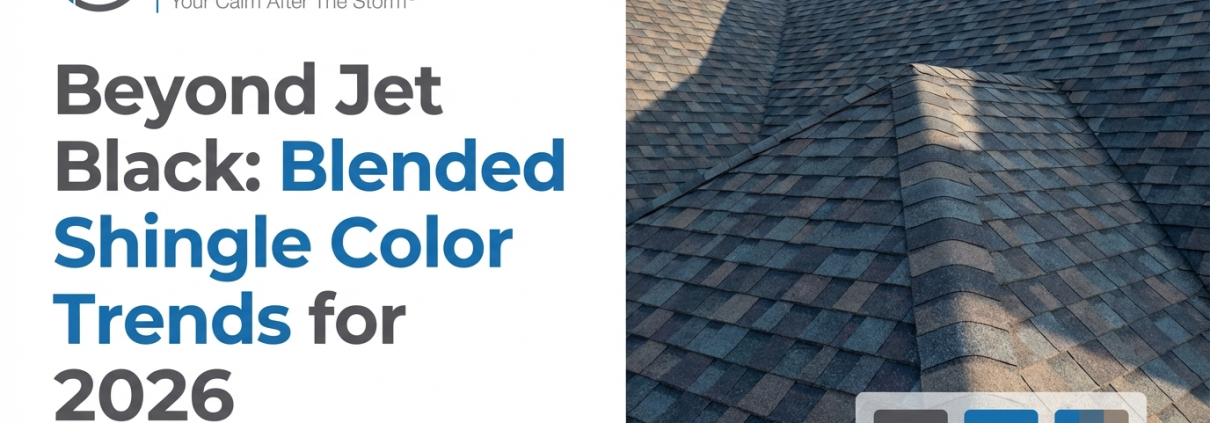
Shingle color trends 2026 are redefining how homeowners think about roofing—moving beyond flat black shingles toward dimensional, high-definition blends that add depth, character, and better real-world performance.

For decades, the standard choice for a new roof was simple: black or gray. Homeowners rarely considered the roof a primary design element, focusing instead on its functional ability to shed water. However, as we approach the mid-2020s, a massive shift in exterior design is taking place. In 2026, the trend is moving away from flat, monochromatic surfaces in favor of multi-dimensional, high-definition textures. The era of the “Jet Black” roof is being replaced by sophisticated, nature-inspired palettes that provide depth, character, and improved energy efficiency.

At Revived Exteriors, we have seen this evolution firsthand. Homeowners in the Chicago area are increasingly looking for ways to make their properties stand out while maintaining a sense of timeless elegance. Shingle color trends 2026 are not just about aesthetics; they’re about how a home integrates with its environment—and how modern technology creates a more resilient, beautiful exterior. In this guide, we’ll break down the shift toward blended shingle colors and why 2026 is officially the year of the dimensional roof.

What are the top shingle color trends for 2026?
Shingle color trends for 2026 focus on multi-tonal, high-definition blends like Owens Corning’s “Evergreen Mist.” Homeowners are moving away from flat Jet Black in favor of complex charcoal, slate blue, and earthy green palettes that offer visual depth, better hide debris, and improve energy efficiency through advanced granule technology.

Shingle Color Trends 2026: Why Dimensional Roofs Are Taking Over

The concept of a “dimensional roof” refers to the use of architectural shingles that feature multiple layers and varying color granules to create a thick, shake-like appearance. While architectural shingles have been around for years, the color science behind them has reached new heights for 2026. This year, the focus is on breaking up the visual weight of the roof. A solid black roof can often look like a heavy “cap” on a house, compressing the home’s profile. Blended shingles, conversely, draw the eye across the surface—making the home appear more expansive and grounded.

The push toward dimensionality is also a response to the “Modern Farmhouse” and “Industrial Chic” trends that dominated the early 2020s. As those styles evolve, homeowners are looking for ways to add warmth and organic texture to the stark whites and blacks of previous years. By introducing blended shingle color trends 2026, designers can soften the look of a home while still maintaining a contemporary edge. This shift represents a broader move toward biophilic design, which seeks to connect our living spaces more closely with the natural world.

Dimensionality also plays a practical role in curb appeal. A roof with a high-definition blend can mask minor imperfections and natural wear better than a solid-colored roof. As the sun moves across the sky, the different tones in the shingles interact with the light—creating a dynamic look that changes throughout the day. For Chicago homeowners, where overcast skies are common, these multi-tonal shingles provide necessary contrast even on the grayest winter days.

Thinking about replacing your roof? Start with our guide to residential roofing, or jump straight to an instant roof quote.

The Evolution of Black: Moving from Jet Black to High-Definition Charcoal Blends

For a long time, “Jet Black” was the gold standard for high-end roofing. It was seen as the ultimate neutral that could match any siding. However, the downside of a solid black roof is its tendency to show every bit of algae growth, bird droppings, and granule loss. In 2026, we’re seeing a significant decline in the popularity of flat Jet Black. In its place, “Charcoal Blends” and “High-Definition Black” have taken the lead. These shingles incorporate flecks of light gray, deep blue, and subtle brown to create a more natural, stone-like appearance.

High-definition charcoal blends offer the same sophisticated “anchor” for a home’s design as Jet Black—but with significantly more visual interest. These colors are designed to mimic the appearance of natural slate or premium wood shakes. Using varying shades of black and gray, manufacturers like Owens Corning and GAF create shadow lines that make shingles appear thicker and more premium. This is a key component of the shingle color trends 2026: using color to create the illusion of physical depth and luxury without the price tag of genuine slate.

From a maintenance perspective, charcoal blends are far superior to solid black. The multi-tonal nature of the granules helps camouflage dark streaks caused by algae and light-colored debris from nearby trees. When you choose a blended charcoal roof, your home stays looking cleaner for longer—which matters if you want maximum curb appeal with minimal upkeep.

If you’re dealing with active issues right now, see our roof repair services in Arlington Heights.

The Impact of Shadow Lines

Shadow lines are darker bands of granules applied during manufacturing to create a 3D effect. In 2026, these lines are being refined to look less like artificial stripes and more like the natural shadows cast by thick-cut cedar shakes. This subtle change in technology makes a massive difference in curb appeal—providing a level of sophistication that solid colors simply can’t achieve.

Spotlight on the 2026 Shingle Color of the Year: Evergreen Mist

One of the most exciting developments in roofing is how “Color of the Year” trends now influence exterior design. For 2026, the standout shade is Evergreen Mist. This color, championed by industry leaders like Owens Corning, represents a bold move toward nature-inspired, biophilic palettes.

Evergreen Mist isn’t a bright green—it’s a sophisticated blend with sage, pewter, and mossy undertones that shifts depending on surrounding foliage and light. The popularity of this shade signals a shift in homeowner preferences: away from harsh contrast and toward calm, organic color stories. That’s exactly what shingle color trends 2026 are all about—texture, harmony, and timeless design.

Matching Evergreen Mist with other exterior elements is surprisingly easy. It pairs beautifully with warm white siding, natural wood accents, and even dark navy or charcoal trim.

Top 5 Blended Color Palettes to Watch (Muted Greens, Slate Blues, and Warm Earth Tones)

As we dive deeper into the shingle color trends 2026, five specific palettes are emerging as the leaders for residential replacements. These blends offer a range of looks—from coastal and crisp to grounded and traditional—while delivering better real-world camouflage than flat colors.

1. Muted Moss and Sage Blends

Green-based blends (olive, sage, cool gray) are the breakout stars of 2026. They’re perfect for wooded neighborhoods and homes with stone or wood accents.

2. Deep Sea and Slate Blue

Instead of bright blues, 2026 focuses on slate-inspired blends that combine deep navy with charcoal and silver—creating a roof that resembles natural blue slate.

3. Warm Sandstone and Weathered Wood

Weathered Wood remains popular, but the 2026 versions are more complex—adding hints of copper, amber, and toasted beige for a warmer, richer look.

4. Pewter and Silver Fox

Lighter gray blends are gaining momentum because they look clean, modern, and can help manage heat gain better than ultra-dark solids.

5. Aged Copper and Autumn Harvest

This dramatic palette mixes deep browns with rust and autumn tones to mimic the look of aging copper or fall foliage—great for Craftsman-style homes.

Architectural Integration: Pairing 2026 Roof Trends with Modern Siding

A roof doesn’t exist in a vacuum—it must work in harmony with your siding, trim, and windows. The shingle color trends 2026 are designed to coordinate with popular siding choices like fiber cement and modern color palettes. At Revived Exteriors, we often help customers coordinate their new roof with James Hardie siding.

If you’re refreshing more than the roof, explore our siding services and replacement windows so your entire exterior tells one cohesive “color story.”

The Science of Depth: How Modern Granule Technology Creates “Natural” Shingle Textures

The beauty of the shingle color trends 2026 is made possible by advancements in granule technology. Today’s manufacturing patterns allow dozens of colors to be blended with precision, creating visual texture that mimics cedar shakes or slate—without the cost or weight of premium materials.

If your roof may have been impacted by hail or high winds, our storm damage and hail damage resources can help you understand next steps.

Performance & Sustainability: Which 2026 Blends Best Manage Solar Heat Gain?

Modern blended shingles can use “Cool Roof” granules engineered to reflect infrared light while still appearing dark or colorful to the human eye. That means you can get the look you want while reducing heat buildup in the attic—especially helpful during humid Illinois summers. Performance-driven materials are now a big part of the shingle color trends 2026.

If you’re considering insurance coverage for replacement, read: Roof replacement insurance coverage in Illinois.

The “Golden Hour” Effect: Maintenance of Blends vs. Solids

Multi-tonal roofs often look different throughout the day as lighting shifts—especially during sunrise and sunset. This “golden hour” effect adds depth and luxury. Blended shingles also hide debris and minor wear better than solid-colored roofs, keeping your roof looking cleaner between maintenance cycles.

Regional Guide: Choosing a Color Blend Based on Your Local Landscape

In the Midwest (including our service area in Illinois), homeowners tend to gravitate toward cooler, grounded tones—charcoals, slate blues, and forest greens. These blends complement seasonal foliage, overcast skies, and common exterior materials like brick and stone.

Conclusion: Future-Proofing Your Home’s Curb Appeal with Multi-Tonal Shingles

Choosing a new roof is a long-term decision. The shingle color trends 2026 give homeowners an opportunity to upgrade curb appeal and real-world performance at the same time. By moving beyond flat Jet Black and embracing high-definition blends, you’re choosing a roof that looks better over time, hides wear more naturally, and supports modern energy expectations.

At Revived Exteriors, our mission is to provide the “Calm After the Storm.” That includes helping you make smart design and material choices you’ll be proud of for decades. Whether you’re drawn to Evergreen Mist or the depth of a charcoal blend, we’re here to guide you with transparency and craftsmanship.

Ready to Elevate Your Home?

Superior craftsmanship, quality products, and a stress-free customer experience delivered at fair market prices by a family-owned team.
Schedule a Roof Consultation

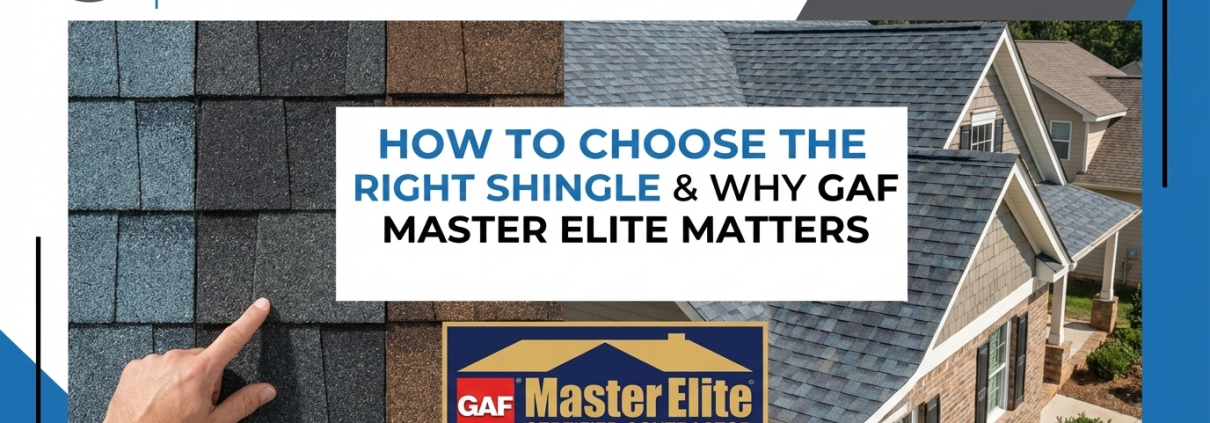
How to Choose the Right Shingle & Why GAF Master Elite Matters

How to Choose the Right Roof Shingle for Your Home

Your roof is your home’s first line of defense against Chicago’s harsh winters and stormy summers. If you’re wondering how to choose the right roof shingle, you’re not alone. Many homeowners feel overwhelmed by the number of roofing options and conflicting advice. At Revived Exteriors, we believe the answer lies in matching the right shingle system with the right certified installer.

This guide explains exactly how to choose the right roof shingle for your home’s architecture, budget, and climate—and why working with a GAF Master Elite® contractor is the only way to fully protect that investment.

1. How to Choose the Right Roof Shingle: Style, Budget, and Performance

Choosing the right roof shingle isn’t just about color—it’s about long-term protection. Your roof can account for up to 40% of your home’s visible exterior, affecting both curb appeal and resale value. In Illinois, durability matters just as much as appearance.

  • Architectural style: Colonials often pair well with slate-style designer shingles, while ranch homes typically benefit from architectural shingles.
  • Length of ownership: Long-term homeowners benefit most from lifetime warranty systems.
  • True cost: Cheaper shingles often cost more over time due to repairs and premature replacement.

2. Understanding the Three Main Types of GAF Roof Shingles

As a GAF Master Elite contractor, Revived Exteriors installs GAF products for their consistency and performance. Asphalt shingles generally fall into three categories:

3-Tab Shingles (Entry-Level)

These flat shingles offer minimal wind resistance and a shorter lifespan. We rarely recommend them for replacements due to their limited durability.

Architectural Shingles (GAF Timberline HDZ®)

Architectural shingles provide dimensional appearance and superior wind resistance. GAF Timberline HDZ® shingles feature LayerLock™ Technology and qualify for the WindProven™ Limited Wind Warranty.

Designer & Luxury Shingles

Designer shingles replicate slate or wood shake while offering modern durability. They significantly enhance curb appeal and long-term value.

3. Climate Factors That Affect How to Choose the Right Roof Shingle

Wind Resistance

Midwest storms demand shingles with mechanical locking technology. LayerLock™ shingles outperform standard adhesive-only systems.

Algae Protection

GAF’s StainGuard Plus™ technology prevents black streaks caused by algae, helping your roof stay visually clean for decades.

Design Visualization

Use tools like the

GAF Virtual Remodeler

to preview colors on your actual home before choosing.

4. Why Installation Matters More Than the Shingle

Even the best shingle will fail if installed incorrectly. The majority of roofing failures stem from workmanship—not material defects.

5. What Is a GAF Master Elite® Contractor?

Less than 2% of roofing contractors qualify as GAF Master Elite®. This status requires proper licensing, insurance, verified reputation, and ongoing factory training.

6. Exclusive Benefits of a GAF Master Elite Contractor

Only Master Elite contractors can offer the Golden Pledge® Limited Warranty, which includes long-term workmanship protection.

7. Golden Pledge Warranty: Ultimate Protection

  • 50-Year Non-Prorated Material Coverage
  • 25-Year Workmanship Coverage
  • 40-Point GAF Factory Inspection

8. The GAF Lifetime Roofing System

  1. Leak Barrier
  2. Roof Deck Protection
  3. Starter Strip Shingles
  4. Lifetime Shingles
  5. Cobra® Ridge Ventilation
  6. Ridge Cap Shingles

9. Long-Term Value Comparison

FeatureStandard RooferGAF Master Elite
Material WarrantyProrated50-Year Non-Prorated
Workmanship2-5 Years25 Years
InspectionNone40-Point Factory

10. Final Thoughts on How to Choose the Right Roof Shingle

Knowing how to choose the right roof shingle means understanding both the product and the installer. A properly installed GAF roofing system provides peace of mind that lasts decades.

Ready to Build Your Lifetime Roof?

Contact Revived Exteriors today for a complimentary inspection.

Get Your Free Estimate →

roof replacement in Arlington Heights

Winter in Illinois is no joke. With the frigid winds, heavy snow and freezing temperatures, your home needs to be ready to handle the elements. One of the best ways to prepare is to get a new roof installed before winter hits. You might be thinking “Can’t it wait?” but there are several compelling reasons why handling this project before the first snowflake falls could save you money, stress and a whole lot of shivering.


Today, we’re going to look into the benefits of a new roof before winter and the reasons behind them. Let’s get started!


1. Protecting Your Home from Harsh Winter Conditions


The most important benefit is that fixing or replacing your roof before winter helps your home’s structural integrity during it, thus reducing the damage your roof takes. Ask any roofing contractor in Arlington Heights, IL and they will tell you that just before winter, it’s pertinent to inspect and repair your roof to avoid expensive problems down the line.


An aging roof might look fine on the surface but winter has a way of exposing its hidden flaws. Ice dams, for example, are a common winter issue that form when melting snow refreezes at the edge of your roof, preventing proper drainage. Over time this can lead to leaks, water damage and even structural issues.


If the damage is very extensive, it’s important to consider roof replacement in Arlington Heights before winter rolls around, as there’s a lot of uncertainty on what might happen.


A new roof offers you a layer of protection that older roofs simply can’t provide. Modern roofing materials are designed to resist moisture, withstand heavy winds, and keep out those cold drafts that like to sneak in when the temperature drops. It’s the kind of security that gives you peace of mind, especially when you’re watching the snow pile up from your warm living room.


We’ve had homeowners delay replacing their aging roof until after the first snowstorm. They wake up one morning to find water leaking into their attic from an ice dam, leading to thousands of dollars in water damage and mold remediation. A new roof could have prevented the entire ordeal. 


Though they did go for a roof replacement after that, the total expense was several times higher than the cost of minor repairs before the damage was done.


2. Cost Savings


Heating bills have a way of creeping up as soon as winter arrives, and an old roof might be making things worse. If your shingles are cracked or your roof’s structure is deteriorating, heat can escape easily, forcing your furnace to work overtime to keep things cozy inside.


Installing a new roof means better insulation, which translates to a warmer home and lower heating costs. Roofing materials today are far more energy-efficient than they were 20 or even 10 years ago. This is especially true if you choose an energy-efficient roofing option like metal or specially coated shingles, which help reflect heat back into your home.


Over the course of a harsh winter, that difference can really add up. Planning a roof replacement in Arlington Heights is not just an investment in comfort but also in savings.


3. Avoiding Emergency Repairs


Winter roof repairs are a nightmare. Not only is it dangerous and difficult for contractors to work on an icy roof, but it’s also more expensive. When something goes wrong during the colder months, roofers often charge a premium for emergency calls, especially during bad weather. Plus, good luck finding someone available right away when there’s ice involved!


That’s why people go for installing a new roof in fall, right before winter. You can avoid the stress and cost of those last-minute emergency repairs. A new roof is built to last, and you won’t have to worry about finding yourself in the middle of a snowstorm with a leaking ceiling. Instead, you’ll be sitting comfortably inside, knowing your roof is up to the task.


While you’re at it, ask your roofing contractor about the best roofing materials for cold climates. With the local expertise they have, they should be able to recommend a good type of roofing material that can withstand the winter season.


4. Increased Property Value


It’s not just about comfort and safety. Installing a new roof can also give your home a serious boost in value. A brand-new roof enhances curb appeal and shows potential buyers that the home has been well-maintained. Even if you’re not thinking about selling right now, you never know what the future holds, and having a new roof can make your home stand out in a competitive market.


The winter housing market can be slower, but serious buyers are still out there. Having a new roof could make your home more appealing to someone looking for a property they won’t have to worry about as the snow starts falling. You’ve handled one of the biggest concerns for them already—and that’s a big selling point.


The majority of Arlington Heights roofing contractors will agree to this. They are well aware of the value you’re adding with the help of a new roof. In fact, in most of these cases, the cost of a new roof installation is fully covered by the added longevity and value of the overall property.

That’s why we maintain that going for a roof replacement before winter is a smart move.


Revived Exteriors Is Ready to Help This Season


Don’t forget the importance of hiring qualified professionals with the right expertise. That’s where Revived Exteriors comes in. As a professional service provider, we have become a trustworthy name thanks to countless positive experiences by homeowners with a diligent attention to detail. You can schedule an online call and get a digital inspection done for free! With winter approaching, this is a deal you simply cannot say no to.


Hiring roofing services in Arlington Heights before winter can be a smart and beneficial decision for your home and its value. We’re sure you have a good idea about these potential benefits now. So if you’re still wondering why replace your roof before winter, stop wondering now!

Roofing Materials Ideal for Illinois Weather

Illinois might be the Garden of the West and the Prairie state, but it’s got more on offer than fertile land alone. No matter where in the state you are, you can also expect your Illinois roof to face its fair share of extreme weather — including tornadoes, heavy thunderstorms, blizzards, and heat waves. So, you need your roof to be ready. 

If you’re getting ready for a roof replacement (hopefully not because a tornado tore through your old roof!), you have a great opportunity to consider durable roofing solutions. The best roofing materials for Illinois don’t just survive whatever weather they’re confronted with, but they also work to keep your home more comfortable throughout the year. 


1. Asphalt Shingles

Roughly 75 percent of US homes have asphalt shingles — and this all-American roofing material can be a great choice for your Illinois home, too. They’re affordable, easy to install, and pretty easy to maintain. Be careful, though! If you’re looking for long-lasting roofing materials, you need to know that not all asphalt shingles are the same. 

Ask your roofing team about luxury or architectural shingles with:

  • Shingles with a high wind rating, in case a tornado hits. 
  • Asphalt shingles with reflective granules, great if you’re looking for heat-resistant roofing.

With those characteristics, asphalt shingles can be one of the best Illinois roofing materials! 


2. Clay, Slate, or Concrete Roof Tiles

Clay and concrete roof tiles make for some of the best roofs for snow and ice, because they’re super durable and extremely impact-resistant. These sustainable roofing materials can last you 50+ years, and they can handle hailstorms, heavy winds, and thunderstorms without any issues. They also help to keep your Illinois property cool during the summer, because they’re pretty energy-efficient roofing materials.

If you want an even bigger step up, consider natural slate — which can stay in place for over a century! Talk about a “once and done” roof! If you ever have to call a roofing contractor again, it probably won’t be for a roof replacement. 


3. Metal Roofing 

So, you’re looking for storm-proof roofing options that are simultaneously highly energy efficient, durable, and great for hot summers and cold winters? More and more Illinois homeowners opt for beautiful metal roofing styles, and that’s because metal roofs tick all the right boxes. Your options include metal shingles and standing seam panels. 


4. Cedar Shingles

If you’re looking for eco-friendly roofing in Illinois, cedar shingles should definitely be on your radar! Yes, they’re made of wood, but they’re also surprisingly resistant to rot and fire. Cedar shingles are breathable, so they allow heat to dissipate during hot and humid Illinois summers. With the right roofing insulation techniques, cedar shingles can also be an energy efficient choice during the winter.


Your Roof Replacement Guide: How Do You Choose the Best Weatherproof Roofing Systems?

Are you gearing up for a new roof? You’re on the right track if you know that you’re not stuck with your current roofing materials. A roof replacement is a fantastic opportunity to reconsider your goals, especially if climate-resistant roofs are your top priority. After all, there have been plenty of exciting innovations since your roof was last replaced, and that means better Illinois roofing materials. 

Aside from climate and weather, you’ll also want to think about these points:

  • Let’s be honest — you have a budget for Illinois roofing materials, and you’ve got to stick to it. Revived Exteriors will help you pick energy-efficient roofing that also falls within your planned price range!
  • Thinking about the care your roof will need before you schedule a roof replacement is one of the best roofing maintenance tips! If you let us know how much time you’re willing to invest in your Illinois roofing materials, our roofers will work with you to choose the best option for you.
  • Looks matter too, so think about your preferences — and how well the roofing materials you’re considering match your Illinois home’s exterior.
  • Energy-efficient roofing is becoming more popular. Depending on your precise location, you might prioritize roofing for Illinois winters that retain heat, or cool roofing that reflects it to keep you comfortable during hot summers.

Looking for weatherproof roofing systems that fit your budget, look great, and will help you lower your energy costs by making your home more energy efficient is exciting, but it can also be daunting. 

If you already know that you want to make durability (and a better return on investment!) a priority, but you’re not sure what else to look for, give us a call. We’re never too busy to make sure you choose the best Illinois roofing materials for your goals!


Got Questions About Climate-Resistant Roofs?

The Revived Exteriors team has answers, and we’re happy to share. If you’re looking for a roofing contractor in Arlington Heights, IL, get in touch. We can get you started with a free roof inspection and consultation, and our experienced roofers can make recommendations for roofing materials that can withstand whatever weather your corner of Illinois throws at them.

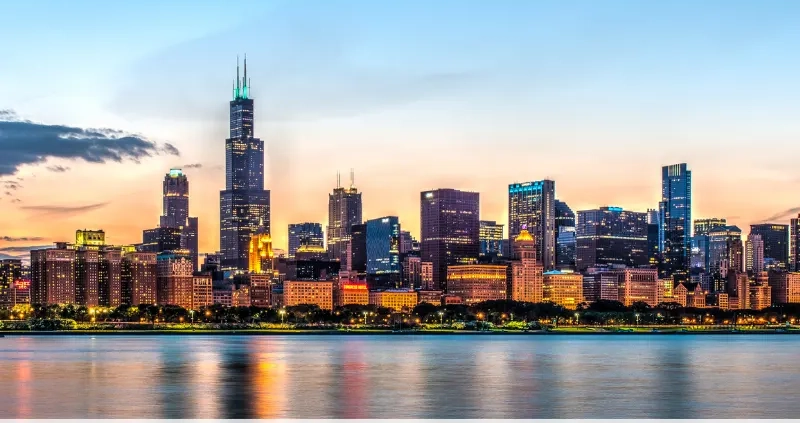
Chicago skyline

Are you gearing up for a roof replacement in Chicago? Your process may start by researching roofing materials, styles, and financing options — but getting ready for your roofing project also requires you to think about paperwork.

Taking a systematic approach to the planning process ensures that everything can proceed smoothly and without unexpected headaches, so let’s take a quick look at Chicago roofing permits and roof replacement regulations in Illinois.

What Do You Need to Know About Chicago Roofing Permits?

While you don’t need a building permit for roof repairs covering up to a quarter of the roof’s surface, you do require one for a complete roof replacement.

Fortunately, Chicago roofing permits are relatively easy to obtain — and many homeowners qualify for an Express Permit. Applications can be made online and require homeowners to submit:

  • Photos of the roof’s existing condition.
  • Drawings prepared by a structural engineer or architect and, in some cases, structural calculations.
  • Where relevant, an approval letter from the relevant condominium association.
  • A tax and demolition form if the roof replacement is carried out following fire damage.

Even with this streamlined process, getting a building permit takes time. Factor this into your roofing project timeline in Illinois!

What Other Regulations Do You Need to Be Familiar With?

Besides obtaining a building permit, Chicago business owners and homeowners also need to be aware of relevant regulations. Let’s take a closer look.

Roofing Contractor Licensing in Illinois

Only licensed, bonded, and insured roofers are allowed to carry out roofing work in Illinois, unless you decide to carry out your own roofing work. When you choose your roofing contractor, verify their license number with the Illinois Division of Professional Regulation to be on the safe side.

Commercial roof compliance in Illinois is slightly trickier. Illinois has two types of licenses — one for residential roofers and one that additionally covers commercial roofing jobs. Always check that your roofer has the right license. Meanwhile, it’s your roofing contractor’s responsibility to remain compliant with safety standards for roofing in Illinois.

Historical Building Roofing in Illinois

If your Chicago home is a designated landmark or is located in a historic district, you’ll be subject to additional building codes for roofing in Illinois. The materials, styles, and exterior alterations permitted may be limited in this case. This explains why it is so crucial to be familiar with zoning laws for roof replacement projects in Chicago.

Environmental Regulations for Roofing in Illinois

On the path to a greener future, energy efficiency standards for roofs in Illinois serve to ensure that new building projects are more ecologically friendly. You may be subject to the Chicago Green Roof Ordinance and weatherization standards that determine what kinds of materials you can use. Keep in mind that roofing materials approval in Illinois is handled by the Department of Buildings, and that you can find detailed guides on its website.

Navigating Residential Roofing Standards in Illinois

If the “red tape” that surrounds roof replacements in Chicago sounds daunting, we don’t blame you! There’s good news too, though. When you work with an experienced, skilled, and professional team of roofers, your roofing contractor will handle much of the paperwork for you — ensuring you stay compliant at all times.

From roof inspection requirements in Illinois to roofing warranty laws in Illinois, Revived Exteriors will walk you through every step. We navigate permits and regulations every day, and we’re happy to make a stressful process easy for you.

Do you have questions about the permits you need to obtain and the regulations you’ll be subject to, or are you simply looking for a licensed and experienced commercial roofer in Chicago, IL? Revived Exteriors stands ready to help, always!

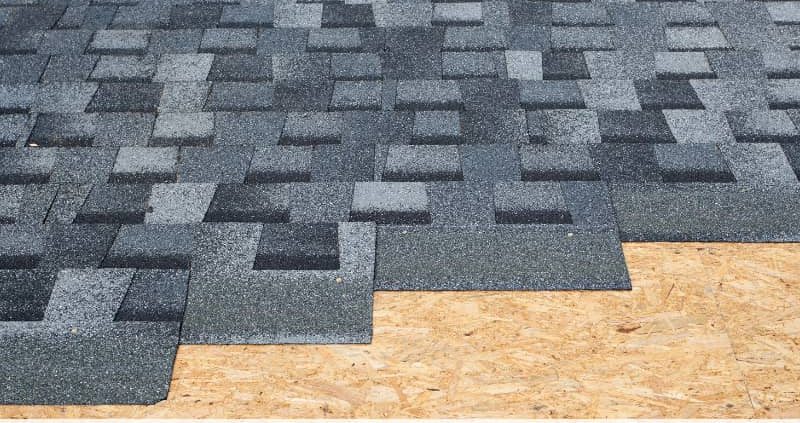
shingles ready to be installed on a roof in Arlington Heights, IL

Picking a contractor for your roof replacement can cause headaches if it’s your first time (or you’ve had trouble with roofers in the past). But you can’t postpone that forever.

The longer you wait, the more damaged your home gets. So instead of procrastinating, start asking questions. The right questions. And we’ll give you 16 questions to ask your potential contractor. If they pass, you’re in good hands.

Why Don’t You Just Repair It?

Sometimes it may seem like roof replacement is unnecessary. Sometimes that’s actually the case. So if your potential roofer tells you to prepare for roof replacement, ask them why they can’t just repair damaged areas.

Their answer will show you if they’re trying to sell you something you don’t really need. Once you’re sure you’re negotiating with an honest company… keep asking more questions.

Are You Licensed in Long Grove, IL?

Yes is the only answer you can accept in this case.

Not in 3 months, soon, we were, or anything similar.

Do You Have Workman’s Compensation and General Liability Insurance

People want to feel safe, and safety comes from insurance. If the roofing company isn’t insured, clients (you) pay for expenses caused by accidents. One of their crew members falls from the roof? It’s your fault if they don’t have a workman’s compensation.

Some equipment falls from the roof and damages your property? You’re paying for it if the roofer doesn’t have general liability insurance.

Can I Please See Your Insurance Certificate?

It’s nice to build relationships based on trust. But when that trust can cost you a lot, build relationships based on proof. If your contractor can’t show their insurance certificate – find the one who can.

Do You Have A Warranty?

In saturated markets, warranties are what earn that last drop of trust contractors needs from their clients. You want to pick a company that won’t leave you helpless if something happens.

How Do You Create Your Price and What Might Cause Additional Expenses?

You want to get a clear answer. It’s a red flag if roofers don’t know how prices are created. And it’s even worse if they can’t tell you what might cause deviation from the agreed price (because that means anything might cause unexpected expenses).

Can I Have a Written Copy of the Estimate?

This is the best way to protect yourself from deviations in the price.

Is Your Contract Easy to Understand?

If you need 3 lawyers to decode a roof replacement contract, they’re maybe trying to hide something. Ask them to explain parts of the contract you don’t understand.

Do You Have Photos Of Previous Roof Replacements?

Humans are visual beings, and we love before and after photos. Ask for some. If it’s clear they’ve done well many times before, you can be calm. But to be extra safe, ask the next question.

Can I Call Any Of Your Previous Clients?

If they show you 30 photos and can’t share contacts, you probably want to think twice before signing the contract.

Will Your Crew Do The Work?

Some companies just sell roof replacements and outsource projects to other roofers. Or they take too many clients, so they have to let someone else do it.

Outsourcing doesn’t mean your new roof won’t be good. But it’s better to know the company you’re talking to will do the work.

Will You Check the Inside of My House During Roof Inspection?

You want them to climb to your attic and inspect it in detail. You also want to see them checking your walls for early leak signs.

Will You Leave Me All The Garbage?

Some roofers make you take care of everything.

Some bring a dumpster and put garbage in it, but you organize the transport.

And some take care of everything.

Who Answers My Calls?

You want to know who your project manager is, and you want to know they’ll be at your disposal when you need them.

Why Don’t You Just Add Another Layer of Shingles?

This is the trick question to see if you’re dealing with real pros. Even though adding another layer of shingles could be done in theory, you won’t see any experienced roofer do that.

It adds weight to the house and makes basic roof repairs difficult. You want a roofer to tell you why the second layer isn’t a good idea.

When Can You Start?

When you’re sure you can trust your contract, ask the last question before the roof replacement.

“Sounds cool. When can you start?”

And if you need a Long Grove, IL, roofing company for your roof replacement but don’t want to be stressed during the process – we’re here.

© Copyright | Revived Exteriors | *DISCLAIMER: Revived Exteriors, Inc. is neither a broker nor a lender. Financing is provided by third-party lenders unaffiliated with Revived Exteriors, Inc., under terms and conditions arranged directly between the customer and such lender, all subject to credit requirements and satisfactory completion of finance documents. Any finance terms advertised are estimates only. Revived Exteriors, Inc. does not assist with, counsel or negotiate financing, other than providing customers an introduction to lenders interested in financing Revived Exteriors customers.