
Long-Term Roof Investment: How a New Roof Saves Money Over Time
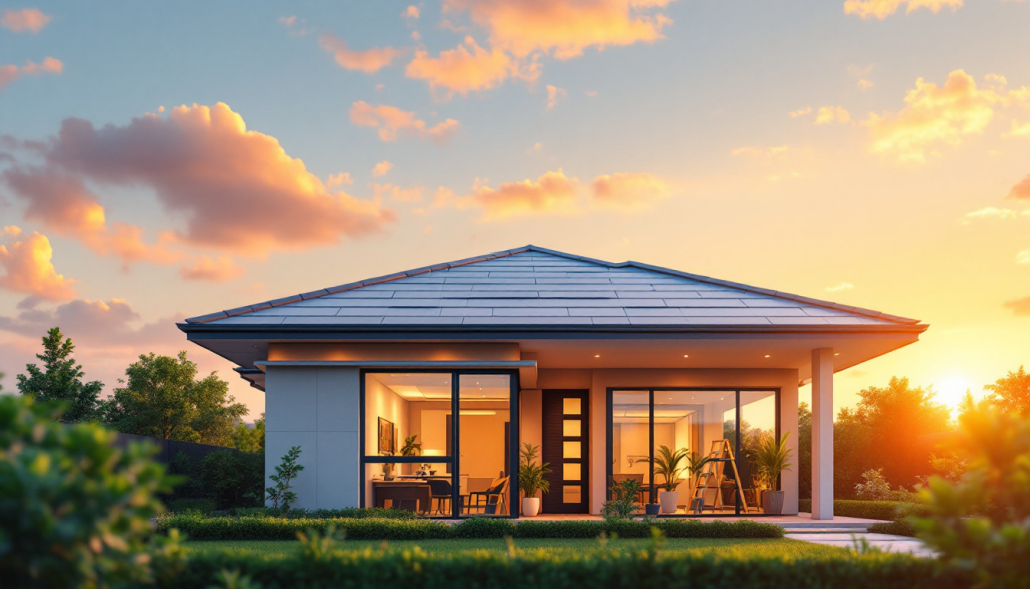
Investing in a new roof may seem like a hefty expense upfront, but when examined from a long-term perspective, it can lead to significant financial savings. A roof plays a critical role not only in protecting your home from the elements but also in enhancing its overall energy efficiency and value. In this article, we will delve into the factors that contribute to understanding the true cost of a roof replacement and how making a wise investment today can pay dividends in the future.
Understanding the True Cost of a Roof Replacement
When considering the replacement of a roof, homeowners often focus solely on the immediate costs associated with the project. This perspective, however, is limiting. To fully grasp the implications of a roof replacement, one must evaluate the long-term benefits against the upfront investment. Several factors play a role in determining the total cost of a roof replacement.
Initially, it’s important to account for the price of materials and labor. Roofing materials can vary widely in price—from asphalt shingles, which are typically more affordable, to premium metal or slate options that offer superior durability and aesthetics. Labor costs also fluctuate based on the complexity of the installation and local market rates. Therefore, evaluating quotes from multiple contractors can help identify a fair price.
Additionally, quality should never be compromised for the sake of cost. Cheaper materials may save money in the short term but can lead to higher maintenance costs and premature replacement down the line. Investing in high-quality materials ensures a longer lifespan, ultimately decreasing the need for frequent repairs and replacements.
Hidden Costs and Factors to Consider
Beyond materials and labor, there are hidden costs associated with roof replacement that need to be factored into any financial considerations. For instance, while your home may require a new roof, it might also need repairs to the underlying structure caused by water damage or rot. These factors add to the immediate cost but are essential for the longevity of the new roof.
Another hidden cost arises from potential energy inefficiency in your current roof. An old or damaged roof can lead to significant heat loss during the winter months and excessive heat gain in the summer, resulting in higher energy bills. A new roof, especially one that incorporates reflective or energy-efficient materials, can drastically improve your home’s energy performance, resulting in lower utility bills over time.
Moreover, the choice of roofing material can also influence your home’s insurance premiums. Some materials may qualify for discounts due to their durability and resistance to weather-related damage. It’s advisable to check with your insurance provider to understand how a new roof could impact your coverage and costs. This consideration can further enhance the overall value of your investment.
Financing Your Roof Replacement
For many homeowners, the initial financial outlay for a new roof can be daunting. However, various financing options can help alleviate this burden. Many contractors offer financing plans that allow homeowners to spread the cost over time. Additionally, state and federal programs may provide incentives or rebates for energy-efficient upgrades.
Choosing to finance a new roof can work to your advantage. By investing in a roof that saves energy costs, you can potentially offset your monthly payments with the savings realized on your utility bills. A detailed cost-benefit analysis can clarify the minimum savings needed to justify the investment and help homeowners make informed financing decisions.
Furthermore, it’s essential to consider the timing of your roof replacement. Seasonal factors can influence both the cost and the efficiency of the installation process. For instance, roofing work is often more affordable during the off-peak seasons when contractors are less busy. Planning your project accordingly can lead to significant savings and a smoother experience, as contractors will have more time to dedicate to your home. Additionally, some roofing materials perform better in specific weather conditions, which can further enhance the quality of the installation and the longevity of your new roof.
Long-Term Benefits of a New Roof
Understanding the true cost of a roof replacement is vital, but just as important are the long-term benefits that such an investment brings. A new roof not only increases the value of your home, but it also improves energy efficiency, enhances curb appeal, and reduces maintenance needs over time.
Increased Property Value
One of the most compelling reasons to replace a roof is the impact it has on property value. Real estate experts consistently advise that a new roof is one of the best investments a homeowner can make. A well-maintained home is attractive to buyers, and a new roof can provide peace of mind, often allowing homeowners to ask for higher prices at resale.
Moreover, the type of roofing material can further influence home value. For instance, metal roofs are increasingly desirable for their longevity and aesthetics, potentially resulting in better returns on investment. Therefore, homeowners should consider not only their immediate needs but also how their roofing choices align with longevity and market trends. Additionally, a new roof can also enhance the overall safety of the home. An aging or damaged roof may lead to leaks and structural issues, which can deter potential buyers and significantly decrease property value. By investing in a new roof, homeowners not only protect their investment but also ensure that their home remains a safe and inviting space for years to come.
Enhanced Energy Efficiency
Another significant advantage of a new roof is its potential to enhance energy efficiency. Roofs installed with improved insulation, ventilation, and reflective materials can dramatically affect heating and cooling efficiency. This development means lower monthly energy bills, contributing significantly to savings in the long run.
Furthermore, energy efficiency isn’t just about lowering bills. In many regions, homeowners can benefit from tax credits or energy rebates for investing in energy-efficient roofing solutions. Therefore, selecting a roof with energy-saving characteristics pays off, both immediately and well into the future. Beyond financial incentives, a new roof can also contribute to a more comfortable living environment. By regulating indoor temperatures more effectively, homeowners can enjoy consistent climate control, reducing the need for excessive heating or cooling. This not only enhances personal comfort but also minimizes the environmental impact, making it a responsible choice for eco-conscious homeowners.
Final Considerations
In conclusion, while a roof replacement represents a significant upfront investment, understanding its long-term financial advantages can help homeowners appreciate its true value. By taking into account factors such as material quality, the hidden costs of deferred maintenance, and the energy efficiency of newer roofing systems, homeowners can make informed decisions. The choice of roofing material can greatly influence not only the aesthetic appeal of a home but also its durability and performance under various weather conditions. For instance, metal roofs, while initially more expensive, can last over 50 years with minimal maintenance, making them a wise choice for those looking to maximize their investment.
Additionally, evaluating financing options can ease the initial burden while paving the way for future savings. Many homeowners may not be aware of available grants or low-interest loans specifically designed for energy-efficient home improvements, which can significantly offset the cost of a new roof. Furthermore, some roofing companies offer financing plans that allow homeowners to pay in installments, making it easier to manage the expense without compromising on quality. Ultimately, a new roof is not just a protective layer over your head; it is a long-term investment that can yield considerable savings, enhance property value, and provide peace of mind for years to come.
As with any significant home improvement, consulting with roofing professionals is essential. Their expertise can guide you toward the best materials and installation techniques, ensuring that your investment pays off in the long run. A reputable contractor can also provide insights into local building codes and regulations, which can vary significantly from one area to another. Remember, when it comes to roofing, quality is not a cost—it’s an investment in your future. Additionally, regular inspections and maintenance after installation can prolong the lifespan of your roof, allowing you to catch potential issues before they escalate into costly repairs. By staying proactive, homeowners can safeguard their investment and enjoy the benefits of a reliable and efficient roofing system for decades to come.

 Revived Exteriors


 Revived Exteriors

