
Outdated Siding Materials? Here’s When to Replace Your Home’s Exterior

Your home’s exterior is the first line of defense against the elements, as well as a reflection of your personal style. Over time, however, even the best siding materials can succumb to wear and tear, prompting the need for replacement. Understanding when it’s time to replace your home’s siding can save you from further complications and expenses down the line. In this article, we will explore the signs of siding deterioration, the risks involved in ignoring these signs, popular materials and their lifespans, and the benefits of upgrading your home’s exterior.
Signs Your Siding Needs Replacement
Recognizing the signs that your siding may need to be replaced is crucial. Waiting too long can result in further damage not only to the siding itself but also to the underlying structure of your home. Here are some telltale indicators that it might be time to consider replacement.
Visible Cracks and Warping
Visible cracks, warping, or buckling in your siding are significant red flags. These deformities can compromise the integrity of your home’s exterior and can lead to further issues, such as water intrusion, if left unchecked. Cracks can allow moisture to seep into your walls, leading to mold and mildew problems. If you notice warping, it may be the time to call in a professional to assess the extent of the damage.
In addition, warped siding can also have a detrimental effect on the overall aesthetic of your home. If the appearance of your siding is compromised, it can give an impression of neglect and lead to decreased property value. Therefore, should you see any signs of noticeable warping or cracking, the best approach is to consult with a siding expert promptly. Furthermore, it’s important to consider that siding materials vary in durability; for instance, wood siding may be more susceptible to warping compared to vinyl or fiber cement. Understanding the specific material of your siding can help you make informed decisions about maintenance and replacement.
Mold, Mildew, and Fungus Growth
The presence of mold, mildew, or fungus on your siding is another indicator that replacement is necessary. These growths typically thrive in moist conditions, suggesting that water has penetrated the siding. This not only poses health risks to you and your family but also weakens the siding’s material over time.
Even if only a small patch of mold or mildew is observed, the underlying issues typically indicate something more severe potentially lurking beneath the surface. If you encounter these growths, it’s advisable to investigate the source of moisture. Replacing the siding may also be essential in preventing recurring mold issues in the future. Additionally, it’s worth noting that some siding materials are treated to resist mold and mildew, so exploring options that offer enhanced protection can be beneficial for long-term maintenance.
Peeling Paint or Wallpaper Indoors
If you notice peeling paint or wallpaper inside your home, particularly on the walls that are adjacent to the siding, it may signal that there are moisture issues coming from the exterior. This is often an indication that your siding is no longer doing its job effectively in terms of protecting your home from the elements.
Indoor peeling paint can escalate into more significant problems, including damage to your interior finishes and even potential structural issues if the situation is not addressed. Therefore, this symptom should not be overlooked and should trigger a thorough evaluation of your exterior siding. Moreover, the type of paint used on your siding can also affect its longevity; high-quality, weather-resistant paint can help protect against moisture and UV damage, extending the life of your siding. Regular inspections and maintenance of both your siding and paint can help mitigate these issues before they necessitate a full replacement.
The Risks of Ignoring Old Siding
House siding is more than just an aesthetic feature; it serves vital functions in maintaining the integrity and safety of your home. Ignoring necessary replacements can expose you to various risks, which can escalate into larger, more expensive problems down the road.
Structural Damage
One of the most serious risks of neglecting to replace old siding is structural damage. If water infiltrates due to deterioration, it can wreak havoc on the underlying materials of your home, such as the framing, insulation, and even the foundation. Over time, this can result in rot, mold infestation, and, in severe cases, compromise the overall stability of your home.
Addressing structural damage often requires extensive repairs that significantly surpass the cost of simple siding replacement. Thus, staying ahead of any issues by replacing aging siding can help prevent costly remodeling and restore the safety of your home. Additionally, the presence of mold can pose health risks to your family, leading to respiratory issues and allergies, which makes timely siding replacement not just a matter of property maintenance but also a crucial aspect of safeguarding your family’s well-being.
Increased Energy Costs
Old siding that is damaged or warped can lead to rising energy costs. When siding is ineffective at providing insulation, it can allow drafts and heat loss during colder months, forcing your HVAC system to work harder. This inefficiency can result in skyrocketing energy bills, making your home not just uncomfortable but also more expensive to maintain.
Replacing outdated siding with modern, energy-efficient materials can enhance insulation and dramatically improve your heating and cooling costs. This upgrade not only saves money in the long run but also is a pivotal step in making your home more eco-friendly. Furthermore, many newer siding options come with added benefits, such as improved durability and lower maintenance requirements, which can further reduce long-term costs and enhance your home’s energy efficiency.
Decreased Curb Appeal
Outdated or worn siding can significantly affect the curb appeal of your home. Potential buyers form an impression of the entire property based solely on the exterior. If your siding appears degraded or unkempt, it can deter potential buyers or leave guests with a negative first impression.
Investing in quality siding materials can enhance the outward appearance of your home, making it more inviting and appealing. Increasing curb appeal isn’t merely about aesthetics; it can fundamentally impact property value and desirability. Moreover, homes with attractive exteriors often sell faster and at higher prices, making siding upgrades a smart investment for homeowners looking to sell in the future. By choosing siding that complements your home’s architectural style, you can create a cohesive look that not only elevates your property but also contributes to the overall charm of your neighborhood.
Popular Siding Materials and Their Lifespan
When considering a replacement, it’s essential to know the various siding materials available and their respective lifespans, enabling you to make informed decisions about which type works best for your home’s needs.
Vinyl Siding
Vinyl siding is one of the most popular choices among homeowners due to its durability, affordability, and low maintenance requirements. On average, vinyl siding can last between 20 to 40 years, depending on the quality and the installation process. It is resistant to rot, insect damage, and fading, making it a sensible choice for many climates.
However, it is essential to ensure that proper installation is carried out. Poorly installed vinyl siding can warp or buckle, leading to water infiltration and requiring earlier replacement than expected. Additionally, while vinyl siding comes in a variety of colors and styles, it may not have the same aesthetic appeal as natural materials. Homeowners should consider their neighborhood’s architectural style and their personal preferences when selecting vinyl siding to ensure it complements their home’s overall appearance.
Wood Siding
Wood siding offers a natural aesthetic that many homeowners find appealing. It generally has a lifespan of 20 to 30 years but requires regular maintenance, including staining and sealing to protect against weather and insects. If not cared for properly, wood siding can be prone to rot and decay.
While the beauty of wood lends a classic charm to homes, the ongoing maintenance can be an investment of time and resources that homeowners should be ready to commit to for longevity. Furthermore, the type of wood used can significantly affect the siding’s durability; for instance, cedar and redwood are known for their resistance to moisture and insects, making them superior choices for those looking for longevity. Homeowners should also consider the environmental impact of sourcing wood, opting for sustainably harvested materials whenever possible to align with eco-friendly practices.
Fiber Cement Siding
Fiber cement siding has gained popularity in recent years due to its superior durability and longevity. This material can last 30 to 50 years and is highly resistant to pests, rot, and extreme weather conditions, making it an excellent choice for various climates.
Furthermore, fiber cement siding offers versatility in design and style, allowing homeowners to achieve a wide range of aesthetics without sacrificing durability. However, the upfront cost can be higher than other materials, although many homeowners find it to be a worthwhile investment over time due to its longevity. Additionally, fiber cement siding can be painted in any color, providing flexibility for homeowners who wish to change their home’s look over the years. It’s also worth noting that fiber cement is non-combustible, making it a safer option in areas prone to wildfires, further enhancing its appeal for many homeowners looking for both beauty and safety in their siding choices.
Benefits of Updating Your Home’s Exterior
Investing in new siding may seem overwhelming, but the benefits can significantly outweigh the costs and time involved. Here are some of the key advantages of updating your home’s exterior.
Enhanced Aesthetic Appeal
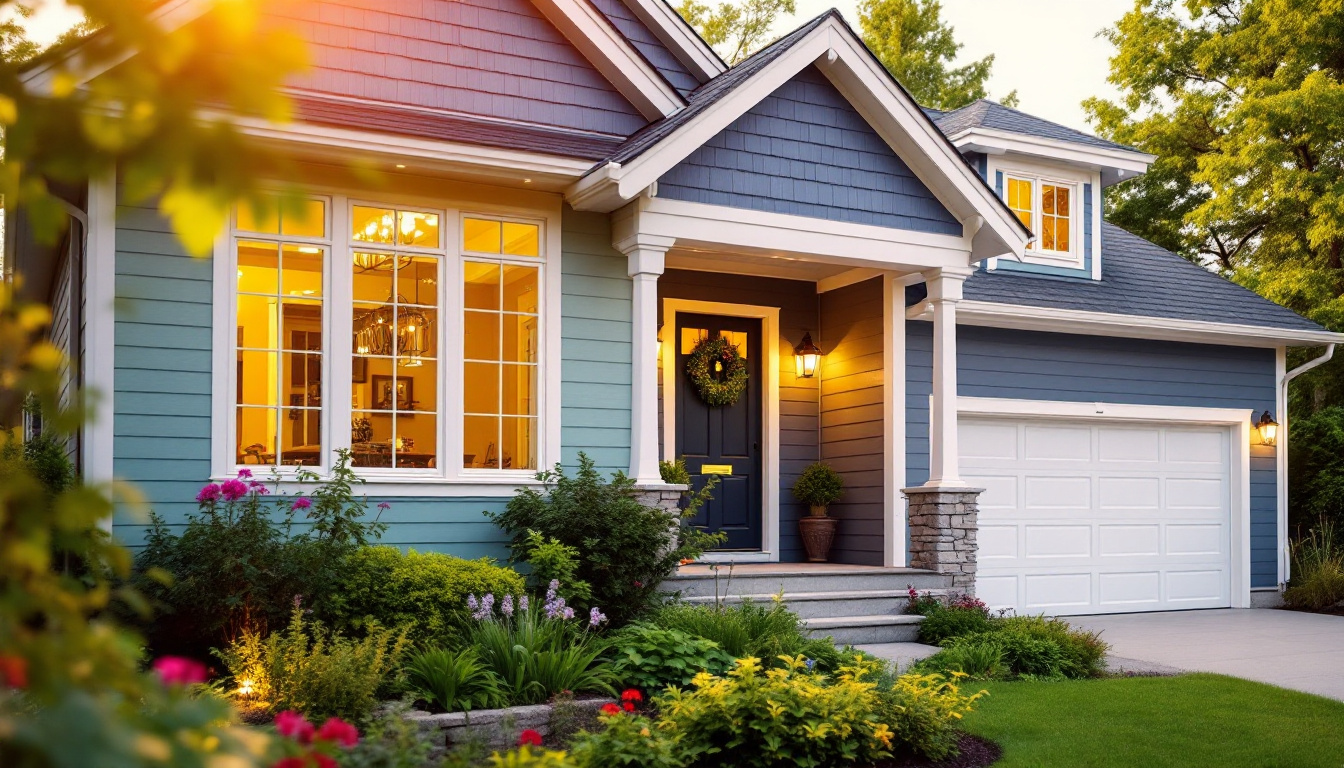
New siding can dramatically improve the visual appeal of your home. With a myriad of style options and color choices available, homeowners can tailor the exterior to reflect their personality and preferences. Whether you opt for a modern look or a classic appeal, new siding can increase the attractiveness of your home, making it a source of pride.
Improving the aesthetics of your property not only benefits you on a personal level but also serves to increase your home’s overall marketability if you decide to sell in the future. An appealing exterior can draw buyers in and even foster higher offers. Additionally, the right choice of siding can complement the architectural style of your home, creating a cohesive look that enhances curb appeal. For instance, pairing traditional wood siding with classic trim can evoke a timeless charm, while sleek vinyl panels can provide a contemporary edge.
Improved Energy Efficiency
As discussed, replacement siding can have a significant impact on your home’s energy efficiency. New materials designed with energy-saving features will ensure that your home maintains a comfortable temperature throughout the year while decreasing reliance on heating and cooling systems.
Over time, improved energy efficiency translates to lower utility bills, making your home not only more eco-friendly but also more financially sustainable in the long haul. Furthermore, many modern siding options come with insulation properties that can help regulate indoor temperatures even more effectively. This means that during the hot summer months or the chilly winter season, your home will remain comfortable without straining your HVAC system, leading to a more sustainable lifestyle and reduced carbon footprint.
Increased Property Value
Finally, one of the most compelling reasons to replace your siding is the potential boost in property value. Modernizing your home can make it more appealing to potential buyers, translating to a higher price point if you ever decide to sell.
In many cases, homeowners find that the return on investment (ROI) for new siding is substantial, easily recouping a significant portion of the expenditure at resale or even increasing their property’s market value considerably. Additionally, updated siding can signal to prospective buyers that the home has been well-maintained, which can be a deciding factor in their purchasing decision. Beyond just aesthetics, the durability of new siding materials can also assure buyers of lower maintenance costs in the future, making your property even more attractive in a competitive market.
Moreover, the installation of new siding can also enhance the structural integrity of your home. Over time, old siding can become warped or damaged, allowing moisture to seep in and potentially leading to mold or rot. By investing in new siding, you not only improve the appearance of your home but also protect it from the elements, ensuring that it remains a safe and comfortable place for you and your family.
 Revived Exteriors


 Revived Exteriors

