

Siding plays a crucial role in protecting a home from the elements, providing insulation, and enhancing curb appeal. However, like any other component of a house, siding requires regular maintenance to function effectively and extend its lifespan. This article delves into the importance of scheduled exterior maintenance, specifically focusing on siding, and how proactive measures can prevent costly failures.
Understanding the Importance of Exterior Maintenance
Many homeowners may underestimate the significance of regular exterior maintenance. The façade of a house is continuously exposed to wind, rain, snow, and sunlight, leading to wear and tear over time. Without proper care, siding can become vulnerable, allowing moisture to infiltrate and cause damage to the underlying structures.
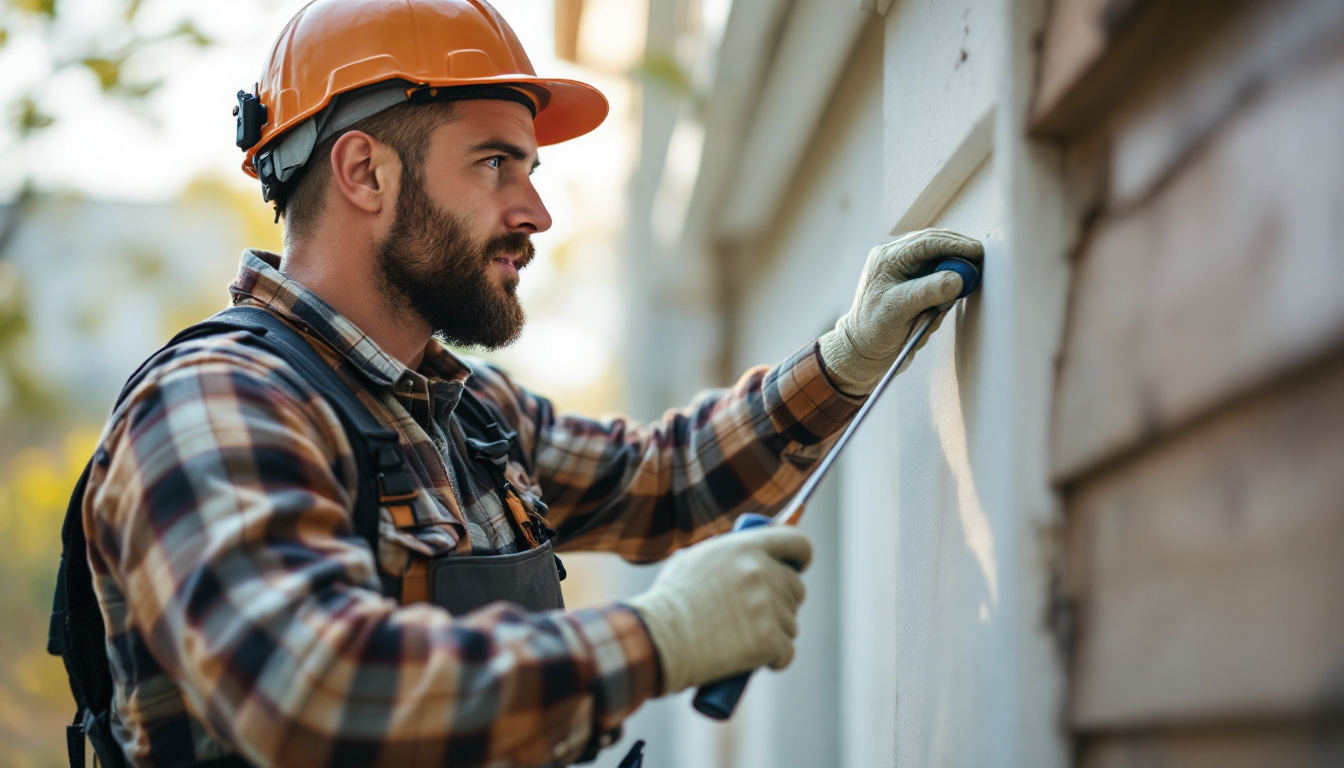
Exterior maintenance is crucial not only for aesthetic reasons but also for structural integrity. Regular inspections can help identify potential issues before they escalate into severe problems, potentially saving homeowners from unexpected repair costs. Furthermore, maintaining the exterior can enhance the overall value of a property, making it more appealing to future buyers. A well-maintained exterior not only boosts curb appeal but also reflects the pride of ownership, creating a welcoming atmosphere for guests and passersby alike.
In addition to visual appeal, exterior maintenance can also improve energy efficiency. By ensuring that insulation and siding are in good condition, homeowners can better regulate indoor temperatures, reducing reliance on heating and cooling systems. This not only contributes to lower utility bills but also minimizes the environmental impact of excessive energy consumption.
The Role of Scheduled Maintenance
Scheduled maintenance refers to a proactive approach to caring for a property. By setting regular intervals for inspections and upkeep, homeowners can ensure that their siding remains in good condition. This systematic approach allows for timely identification of issues such as cracks, warping, paint peeling, or mold growth.
One of the primary benefits of scheduled maintenance is that it creates a predictable routine. Homeowners can plan their budgets and resources accordingly, avoiding costly emergency repairs due to neglected issues. Moreover, knowing when to conduct inspections reduces the likelihood of overlooking critical maintenance tasks. Establishing a seasonal checklist can be particularly helpful, allowing homeowners to address specific tasks such as cleaning gutters in the fall or checking for winter damage in early spring.
Additionally, engaging professionals for scheduled maintenance can provide homeowners with expert insights and recommendations. These specialists are trained to spot subtle signs of wear that may go unnoticed by the untrained eye, ensuring that any necessary repairs are addressed promptly. This partnership not only fosters a sense of security but also empowers homeowners with knowledge about their property’s condition.
Common Signs of Siding Failure
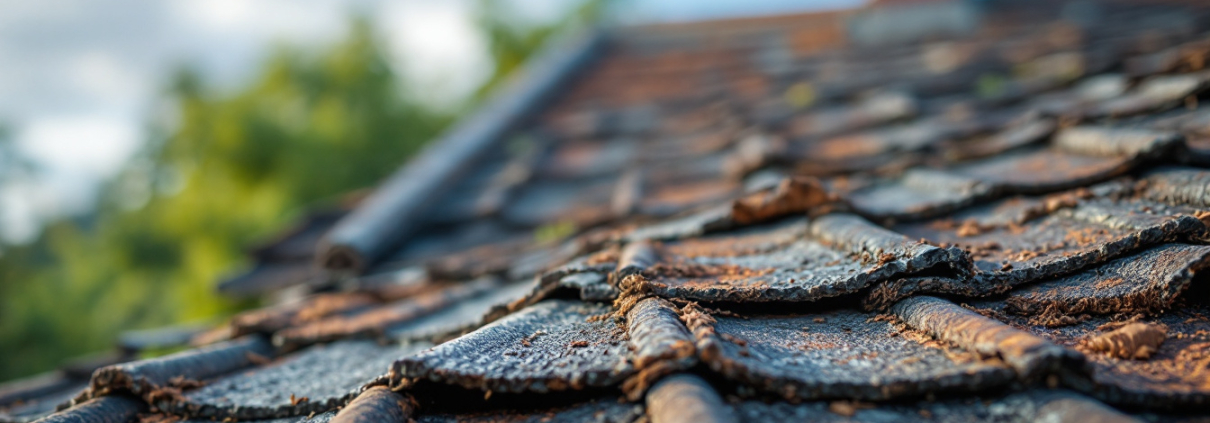
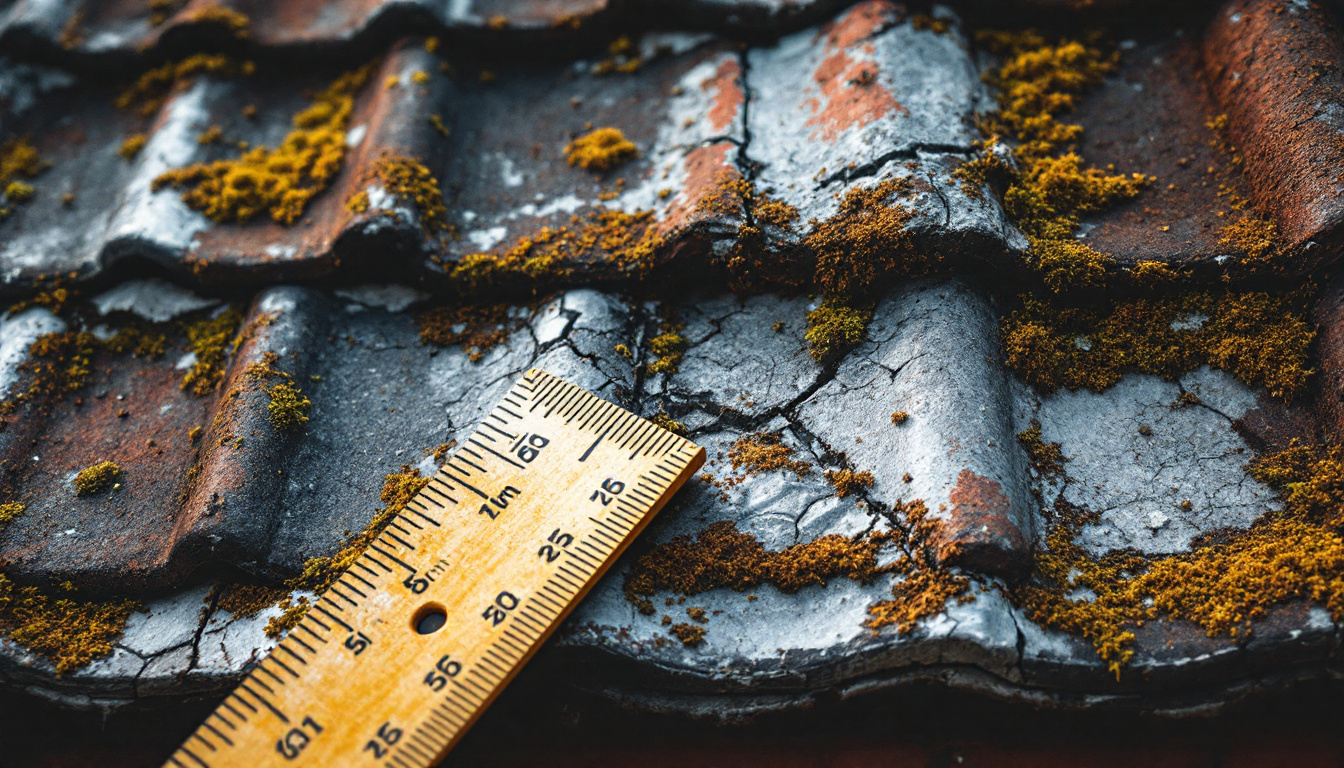
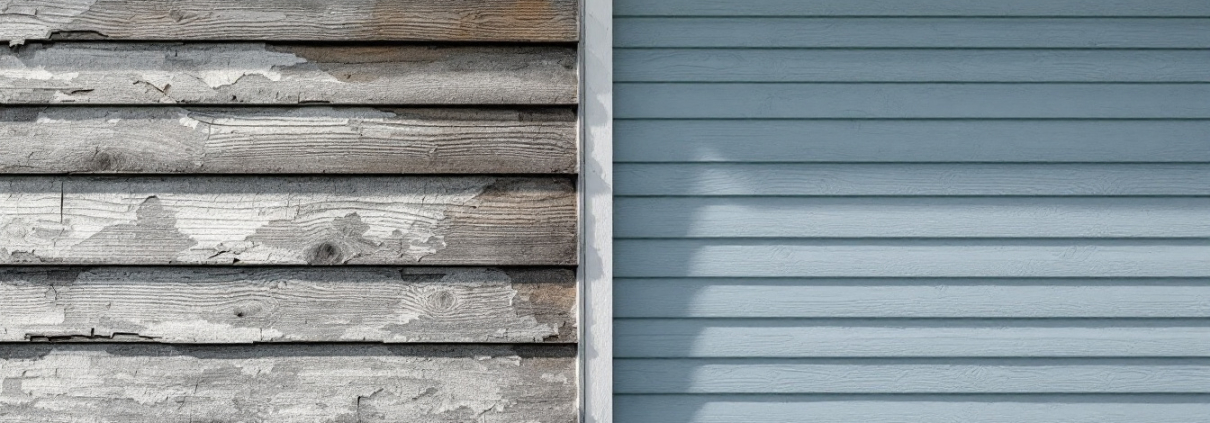
Awareness of the common signs of siding failure is an integral part of effective exterior maintenance. Look for symptoms such as peeling paint, fading colors, cracks, or bulging panels. Additionally, homeowners should be vigilant for signs of moisture intrusion, which can manifest as mold or mildew on the siding surface.
Another telltale sign is increased energy bills. If siding is failing to insulate a home effectively, it can lead to fluctuating indoor temperatures, causing HVAC systems to work harder and consume more energy. Homeowners should also pay attention to any unusual sounds, such as creaking or popping, which may indicate that the siding is shifting or expanding due to moisture exposure.
Furthermore, the presence of pests can also signal siding failure. Termites, carpenter ants, and other wood-boring insects are often attracted to damaged or decaying siding, which can lead to even more extensive damage if not addressed. Regular inspections can help catch these issues early, allowing for targeted treatments and repairs that can save homeowners significant time and money in the long run.
Effective Maintenance Strategies
Implementing an effective maintenance strategy is key to prolonging the lifespan of siding. Regular cleaning, inspection, and timely repairs can significantly reduce the risk of siding failure. One of the simplest yet most effective maintenance tasks is cleaning the siding. Debris, dirt, and moisture accumulation can lead to deterioration, encouraging mold growth and creating attractive conditions for pests. Additionally, neglecting maintenance can lead to more significant issues down the line, such as water infiltration and structural damage, which can be costly to repair.
Cleaning Techniques
Cleaning can typically be achieved through a gentle power wash or using a soft-bristle brush along with soap and water for tougher stains. Be cautious with additional cleaning agents; choosing the right products can ensure that the siding material is not compromised. For vinyl siding, avoid abrasive cleaners, as they can scratch the surface. It’s also advisable to clean your siding during mild weather, as extreme temperatures can affect the cleaning solution’s effectiveness and the siding’s ability to dry properly. Regular cleaning not only enhances the aesthetic appeal of your home but also helps maintain its value over time.
After cleaning, it’s advised to conduct a thorough inspection of the siding. Look for any signs of wear and initiate repairs promptly to address any identified issues before they escalate. Pay special attention to seams and joints where water might infiltrate, as these areas are particularly vulnerable. Additionally, consider checking for any signs of insect activity, such as frass or small holes, which could indicate a pest problem that needs immediate attention.
Professional Inspections
While homeowners can manage some maintenance tasks, it is beneficial to hire professionals for more in-depth inspections. Building experts can identify potential problems that may not be apparent to the untrained eye. Professional services often provide comprehensive assessments that include checking for underlying structural issues and the condition of insulation beneath the siding. These inspections can be particularly valuable after severe weather events, as high winds and heavy rain can cause hidden damage that may not be immediately visible.
Furthermore, professionals can provide tailored maintenance plans based on the specific needs of a property, taking into account factors such as local weather, the type of siding material, and the age of the home. They may also offer insights into the best practices for maintaining your specific siding type, whether it be wood, vinyl, or fiber cement. By investing in professional maintenance services, homeowners can ensure that their siding remains in optimal condition, ultimately saving money on costly repairs and enhancing the overall longevity of their home’s exterior.
Choosing the Right Siding Material
Understanding different siding materials and their associated maintenance needs is essential for effective exterior upkeep. Various options, such as vinyl, wood, fiber cement, and metal siding, have distinct requirements. For instance, wood siding may require more frequent painting or staining compared to vinyl siding, which generally has lower maintenance needs. Homeowners should also consider the climate in their region, as certain materials perform better under specific weather conditions. For example, homes in areas with high humidity might benefit from fiber cement siding, which is resistant to rot and pests, while those in dry climates may find that vinyl siding holds up better against sun damage.
Longevity and Maintenance Requirements
When selecting siding materials, balance longevity with maintenance requirements. Fiber cement siding is considered a durable option that can withstand the elements with minimal maintenance. On the other hand, aluminum siding can also offer longevity but may require repainting over time to prevent corrosion. Additionally, homeowners should be aware that while some materials like vinyl may not require painting, they can fade over time and may need occasional cleaning to maintain their appearance. Understanding the specific characteristics of each material can help homeowners choose the best option for their lifestyle and budget, ensuring that they invest in a siding solution that will stand the test of time.
Ultimately, understanding the lifecycle and maintenance implications of each material type can guide homeowners to make informed decisions that align with their long-term property goals. Furthermore, considering energy efficiency ratings associated with different siding materials can lead to better insulation and lower energy bills, adding another layer of value to the investment.
Preparing for Seasonal Changes
Planning scheduled maintenance should also involve preparing for seasonal changes. For instance, before winter, it’s essential to inspect and secure any loose panels or paint to prevent water intrusion from snow or ice melt. In the spring, homeowners can focus on cleaning and refreshing the exterior after a hibernation period. This can include power washing the siding to remove dirt and mildew, which not only enhances curb appeal but also prolongs the life of the siding material. Additionally, applying a protective sealant on wood siding can help guard against moisture and pests, ensuring that the investment remains intact.
By adapting maintenance routines to the seasons, homeowners can ensure that their siding is ready to weather any condition, reducing the risks of damage and siding failure. Regular inspections throughout the year can also help catch potential issues early, such as cracks or gaps that may allow moisture to seep in. This proactive approach not only saves money on extensive repairs down the line but also contributes to the overall health and longevity of the home’s exterior, creating a safe and inviting environment for years to come.
Conclusion
Scheduled exterior maintenance is a critical aspect of homeownership that can prevent siding failure and enhance property value. Understanding the importance of regular inspections, being aware of signs of deterioration, and implementing effective maintenance strategies are key steps in protecting your investment.
Investing time and resources into exterior maintenance not only prolongs the lifespan of your siding but also contributes to a safer, more energy-efficient home. By prioritizing maintenance, homeowners can rest assured that their property remains in prime condition, shielding against the elements and enhancing its overall aesthetic appeal.

 Revived Exteriors


 Revived Exteriors