A photograph of a detailed

The roof is one of the most essential components of a building, playing a critical role in protecting the structure and its inhabitants from the elements. Finding the right roofing contractor is vital for ensuring that your roofing needs are met with professionalism and quality workmanship. In this article, we will explore various aspects of roofing services, including the importance of quality roofing, how to evaluate contractors, and tips for maintaining your roof post-service.

Understanding the Importance of Quality Roofing Services

Quality roofing services are paramount for the longevity and safety of any structure. A well-installed roof not only enhances the aesthetic appeal of a home but also provides crucial protection against rain, wind, snow, and heat. Poor installation or the use of subpar materials can lead to hefty repair costs in the long run. Furthermore, a quality roof contributes to energy efficiency, helping to regulate indoor temperatures and reduce utility bills. Homeowners often overlook how a well-constructed roof can significantly impact their comfort and energy consumption, making it an essential aspect of home maintenance.

The significance of hiring a skilled roofing contractor cannot be overstated. With their expertise, they can diagnose potential issues before they escalate and offer solutions that adhere to local building codes and regulations. Investing in quality roofing ensures that the roof will remain durable, efficient, and visually appealing for many years. Moreover, a professional contractor can provide valuable insights into the latest roofing technologies and materials, which can enhance not only the performance of your roof but also its sustainability. This is particularly important in an era where eco-friendly building practices are becoming increasingly prioritized by homeowners.

The Role of a Roofing Contractor

A roofing contractor is responsible for the installation, repair, and maintenance of roofs for residential and commercial properties. Their role encompasses a wide range of tasks, including assessing the condition of existing roofs, recommending materials, and providing estimates. They often conduct thorough inspections to identify underlying issues that may not be immediately visible, such as leaks or structural weaknesses, which can save homeowners from future headaches and expenses.

Additionally, they coordinate the logistics of a roofing project, ensuring that timelines are met and that safety protocols are adhered to during installation or repairs. A reliable contractor will also handle permits and inspections, which can save homeowners from potential legal issues down the line. Furthermore, they often have established relationships with suppliers, allowing them to source high-quality materials at competitive prices, which can be a significant advantage for homeowners looking to maximize their investment.

Key Factors to Consider When Choosing a Roofing Contractor

When selecting a roofing contractor, several factors should be taken into account to ensure you make an informed choice:

  • Experience: Look for contractors with a proven track record in the roofing industry.
  • Licensing and Insurance: Ensure that the contractor holds the necessary licenses and insurance to protect yourself and your property.
  • References and Reviews: Check online reviews and ask for references to gauge the contractor’s reputation.
  • Warranty and Guarantee: A good contractor should offer warranties on both labor and materials.

These factors can help narrow your search to contractors who are not only qualified but also trustworthy. Additionally, consider the contractor’s communication style and willingness to answer your questions. A contractor who is transparent about their processes and timelines can provide peace of mind, ensuring that you are well-informed throughout the project. Lastly, it may also be beneficial to inquire about their approach to post-installation support, as ongoing maintenance can be crucial for the long-term health of your roof.

Comprehensive Guide to Local Roofing Contractors

Finding local roofing contractors can simplify the hiring process and provide greater convenience when it comes to consultations and service. Local experts typically understand the area’s climate and typical roofing materials better than outsiders, giving them a competitive edge. This localized knowledge not only helps in selecting the right materials that can withstand regional weather patterns but also ensures compliance with local building codes and regulations, which can vary significantly from one area to another.

What to Expect from Top Local Roofing Contractors

Top local roofing contractors generally adhere to higher standards of service and craftsmanship. When hiring them, you can expect:

  • Detailed Inspections: A thorough inspection of your roof’s condition before providing an estimate.
  • Personalized Service: Tailored solutions to meet your specific roofing needs.
  • Clear Communication: Open lines of communication throughout the project regarding timelines, costs, and procedures.

Expect them to be professional and courteous, ready to answer any concerns you might have about the work being done. Moreover, many top contractors will provide you with a detailed written estimate that breaks down the costs, allowing you to understand where your money is going. This transparency builds trust and ensures that there are no surprises as the project progresses.

Services Offered by Local Roofing Experts

Local roofing experts offer a comprehensive range of services tailored to various roofing needs. These can include:

  • Roof installation for new constructions.
  • Roof replacement and overlay services.
  • Roof repairs for leaks, cracks, or damages.
  • Regular maintenance to prolong roof lifespan.
  • Emergency repair services in case of severe weather incidents.

By engaging a local contractor, you can benefit from their extensive knowledge of the most suitable materials and techniques for your area. Additionally, many local roofing companies also offer specialized services such as energy-efficient roofing solutions, which can help reduce your energy bills and contribute to a more sustainable environment. They may also provide options for eco-friendly materials, such as recycled shingles or green roofs, which can enhance the aesthetic appeal of your home while also being kind to the planet.

Evaluating the Quality of Roofing Services

To ensure that you are getting quality roofing services, certain indicators can help you evaluate the work being performed. Recognizing these indicators is crucial for assessing the competence of the service provided.
Section Image

Indicators of High-Quality Roofing Services

High-quality roofing services exhibit notable characteristics, such as:

  • Use of premium materials tailored for the local climate.
  • Professional and skilled installers who show commitment to their craft.
  • Adherence to safety precision and building codes.
  • Comprehensive post-installation inspections and quality checks.

By keeping an eye out for these indicators, you can feel more confident in the performance of your roofing contractor. Additionally, a reputable roofing service often provides warranties for both materials and workmanship, offering peace of mind that they stand behind their work. These warranties can range from several years to a lifetime, depending on the products used and the company’s policies. Moreover, a commitment to ongoing training and certification for their team members is another hallmark of a quality roofing service, ensuring that they stay updated with the latest techniques and materials in the industry.

Red Flags to Watch Out for in Roofing Services

While assessing roofing services, some red flags can indicate substandard work or unreliable contractors. These include:

  • Unobtrusive or evasive communication regarding project details.
  • Lack of proper licensing or insurance documentation.
  • Pressure to sign contracts or make upfront payments.
  • Unwillingness to provide written estimates or references.

Being vigilant about these red flags can save you from potential issues and ensure a smoother roofing experience. Furthermore, if a contractor has numerous negative reviews or a lack of online presence, it may be wise to proceed with caution. Researching their reputation through platforms like the Better Business Bureau or local review sites can provide insight into their reliability and customer satisfaction. Additionally, a contractor who frequently changes their business name or contact information may be attempting to evade accountability, which is a significant warning sign that should not be overlooked.

Tips for Hiring the Best Roofing Contractor

Making a well-informed decision when hiring a roofing contractor can significantly influence the outcome of your roofing project. To aid you in your selection process, here are some insightful tips.

Questions to Ask Potential Roofing Contractors

When interviewing prospective roofing contractors, don’t hesitate to ask them the following questions:

  • How long have you been in business?
  • Can you provide references for previous work?
  • What warranties do you offer on materials and workmanship?
  • How do you handle unexpected issues during the project?

Engaging effectively with contractors using these questions can help you assess their expertise and reliability. Additionally, inquire about their licensing and insurance status. A reputable contractor should have liability insurance and worker’s compensation coverage to protect you from potential liabilities. Furthermore, ask about the specific types of roofing systems they specialize in, as this can indicate their level of expertise and whether they are well-versed in the latest materials and technologies.

Negotiating the Best Deal with Your Roofing Contractor

When discussing pricing with a contractor, negotiation is key. To secure the best deal, consider the following tips:

  • Request detailed breakdowns of costs to understand where your money is going.
  • Be open to discussing alternative materials or methods that could reduce costs while maintaining quality.
  • Compare estimates from multiple contractors to identify fair pricing.

Good negotiations lead to mutually beneficial agreements, ensuring you receive quality services at competitive prices. It’s also wise to establish a clear timeline for the project and discuss payment schedules upfront. This transparency can help prevent misunderstandings later on. Additionally, consider the timing of your project; roofing contractors may offer discounts during off-peak seasons when demand is lower. By leveraging these strategies, you can secure a deal that not only fits your budget but also guarantees a high standard of workmanship for your roofing needs.

Maintaining Your Roof Post-Service

After a roofing project, maintaining your roof is crucial for its longevity. Proper care can prevent costly repairs and prolong its lifespan.

Routine Roof Maintenance Tips

Regular maintenance can significantly impact the overall health of your roof. Here are some practical maintenance tips:

  • Inspect your roof at least twice a year for signs of damage or wear.
  • Clear debris from gutters and downspouts to prevent water buildup.
  • Trim overhanging tree branches to minimize leaves falling on the roof.
  • Address any signs of leaks promptly by contacting your roofing contractor.

Implementing these maintenance tips can help mitigate issues before they develop into bigger problems. Additionally, consider investing in a professional roof inspection every few years. This can provide a comprehensive assessment of your roof’s condition, identifying potential vulnerabilities that may not be visible during a casual inspection. Professional inspectors often have the expertise to spot early signs of wear and tear, ensuring that you can take proactive measures to address them before they escalate into costly repairs.

When to Call Your Roofing Contractor for Follow-Up Services

Although routine maintenance is essential, there will be times when you should call your roofing contractor for follow-up services. Consider reaching out to your contractor when:

  • You notice any significant damage after severe weather.
  • You see persistent leaks or water stains on ceilings or walls.
  • You are contemplating any modifications or upgrades to your roof.

Regular communication with your contractor can help ensure that your roof remains in optimal condition throughout its lifespan. Furthermore, if you are considering energy-efficient upgrades, such as installing reflective roofing materials or solar panels, your contractor can provide valuable insights into the best options for your specific roof type. These upgrades not only enhance the functionality of your roof but can also lead to significant savings on energy bills over time, making it a worthwhile investment.

In conclusion, finding and hiring the right roofing contractor can provide significant benefits, ensuring that your roofing project is completed to the highest standards. By understanding the importance of quality services, evaluating contractors properly, and maintaining your roof diligently, you can enjoy peace of mind knowing your property is protected.
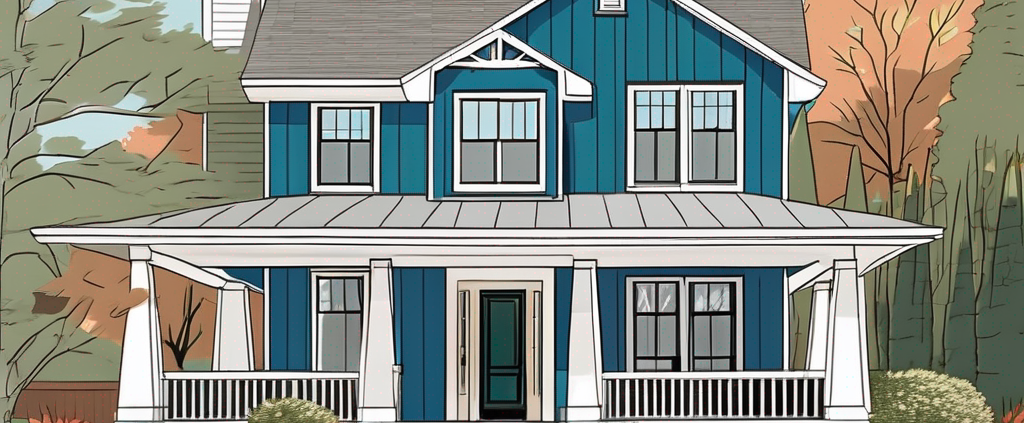
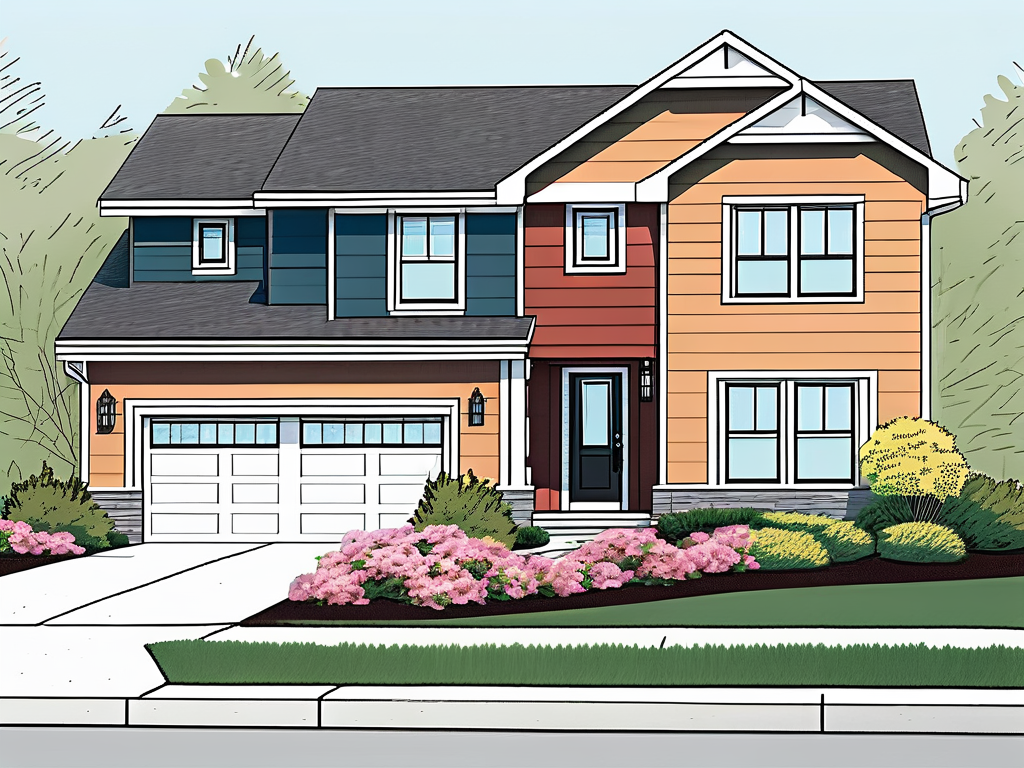
A photograph of a charming suburban home showcasing vibrant james hardie siding in various colors

When it comes to enhancing your home’s curb appeal, the choice of siding can make a substantial difference. One of the most highly regarded options in the market is James Hardie siding. This article will explore the significance of curb appeal, delve into the advantages of James Hardie siding, and discuss the impact of an upgrade on your property value.

Understanding the Importance of Curb Appeal

Curb appeal refers to the visual attractiveness of a property as seen from the street. It encompasses various elements, including landscaping, paint, windows, and, notably, siding. Improving curb appeal can greatly enhance your home’s overall aesthetic, making it more inviting to guests and potential buyers.

What is Curb Appeal and Why Does it Matter?

Curb appeal is essential for several reasons. Primarily, it determines first impressions. A home with high curb appeal presents a well-maintained, attractive appearance, suggesting that the interior might be just as well cared-for. This is crucial for homeowners considering selling their property, as homes that stand out generally attract more interest.

Moreover, a well-kept exterior can boost your neighborhood’s overall aesthetic. Homes that are beautifully maintained contribute positively to the community as a whole, encouraging a sense of pride among neighbors and increasing property values in the area. In fact, studies have shown that homes with appealing exteriors can sell for up to 10% more than similar properties with less attractive facades. This economic incentive is a strong motivator for homeowners to invest in their property’s curb appeal.

The Role of Siding in Your Home’s Exterior Look

Siding plays a pivotal role in the overall appearance of your home. It covers the exterior walls and significantly affects the style and character of your property. Whether you prefer a traditional look or a more contemporary design, the type of siding you choose will influence how your home is perceived.

James Hardie siding, specifically, offers a variety of styles and colors that cater to different aesthetic preferences, ensuring that homeowners can find the perfect match for their vision. Quality siding, such as that made by James Hardie, not only enhances the visual appeal of your home but also provides essential protection against the elements. This durability means that homeowners can enjoy peace of mind knowing their investment is safeguarded from harsh weather conditions, pests, and other potential damages. Additionally, many siding options come with energy-efficient properties, helping to regulate indoor temperatures and reduce utility bills, making them a practical choice for environmentally conscious homeowners.

Furthermore, the maintenance requirements of siding can vary significantly depending on the material chosen. For instance, vinyl siding is known for its low maintenance, requiring only occasional cleaning, while wood siding may need regular painting or staining to maintain its appearance. Understanding these differences can guide homeowners in making informed decisions that align with their lifestyle and long-term maintenance preferences. Ultimately, the right siding not only elevates curb appeal but also ensures that your home remains a beautiful and functional space for years to come.

Introduction to James Hardie Siding

Founded in 1888, James Hardie Industries is renowned for its innovative approach to building materials, particularly fiber cement siding. This material is specifically engineered to withstand harsh weather conditions while providing an attractive finish.

What is James Hardie Siding?

James Hardie siding is a type of siding made from a blend of cement, sand, and cellulose fibers. This combination results in a material that is incredibly durable, resistant to rot, and impervious to pests, making it a favored choice among homeowners and builders alike. Available in various styles, such as lap siding, vertical siding, and shingle siding, it can suit any architectural design. The versatility of James Hardie siding allows it to complement both traditional and modern homes, enhancing their curb appeal significantly.

Benefits of Choosing James Hardie Siding

Choosing James Hardie siding offers numerous advantages. One of the most significant benefits is its durability. Unlike traditional wood siding, fiber cement does not warp, crack, or swell, meaning it requires less maintenance over its lifetime. This longevity translates to cost savings over time. Additionally, the material is designed to withstand extreme weather conditions, including heavy rains, high winds, and even hail, ensuring that your home remains protected regardless of the elements.

In addition to durability, James Hardie siding is also fire-resistant, providing an added layer of safety for your home. With a variety of color options available, it only requires periodic painting, allowing homeowners to customize their look while minimizing upkeep. The ColorPlus Technology used in some of their products ensures that the colors remain vibrant and resist fading, reducing the need for frequent repainting. Furthermore, James Hardie siding is backed by a 30-year limited warranty, giving homeowners peace of mind and confidence in their investment.

Upgrading Your Home with James Hardie Siding

Upgrading to James Hardie siding is an investment that can dramatically transform the exterior of your home. Understanding how to select the right siding and what the installation process entails is crucial for a successful upgrade.

Selecting the Right James Hardie Siding for Your Home

When selecting James Hardie siding, consider the architectural style of your home. For instance, traditional homes may benefit most from lap siding, while modern designs might look better with vertical siding or panels. It’s also important to think about color. James Hardie’s ColorPlus Technology offers a wide range of colors that are baked on for long-lasting, fade-resistant performance.

Consulting a professional can help you make the best decisions regarding styles and colors, ensuring that the upgrade complements your overall vision for your home. Additionally, consider the local climate when choosing your siding. James Hardie products are engineered to withstand extreme weather conditions, making them a smart choice for homes in areas prone to heavy rain, snow, or intense heat. This durability not only enhances the aesthetic appeal but also adds a layer of protection against the elements, ensuring that your investment stands the test of time.

The Installation Process: What to Expect

The installation of James Hardie siding can be a straightforward process if handled by professionals with experience. Typically, the installation begins with a thorough assessment of your home’s current siding. Old siding is removed, and any necessary repairs to the structure are made before the new siding is installed.

Once the prep work is complete, the installation team will carefully measure and cut the James Hardie siding to fit perfectly. This process ensures that the siding fits snugly and will provide long-lasting performance. After installation, it usually takes just a few days to complete the project, allowing you to enjoy your newly enhanced exterior quickly. During this time, the crew will also ensure that all seams are properly sealed and that the siding is installed in accordance with the manufacturer’s specifications, which is vital for maintaining the warranty and ensuring optimal performance. Homeowners can expect a clean job site, as reputable contractors will prioritize minimizing disruption to your daily life and will leave your property tidy once the work is completed.

Maintaining Your James Hardie Siding

While James Hardie siding is designed to be low-maintenance, some care is necessary to keep it looking its best. Understanding how to maintain and clean your siding can significantly extend its life.

Cleaning and Maintenance Tips for Your Siding

To maintain your James Hardie siding, regular cleaning is essential. Use a garden hose to remove dirt and debris, and for tougher stains, a mixture of mild detergent with water can be effective. Avoid using abrasive cleaners, as they may damage the finish. For those hard-to-reach areas, consider using a soft-bristle brush to gently scrub away any stubborn grime without scratching the surface.

Inspect your siding occasionally for any signs of damage or wear. If you notice any issues, address them promptly to prevent further deterioration. Pay special attention to areas around windows, doors, and where the siding meets the ground, as these are common spots for moisture accumulation. Regular maintenance will help ensure your siding remains in excellent condition for years to come. Additionally, consider applying a fresh coat of paint every 10 to 15 years to maintain the aesthetic appeal and provide an extra layer of protection against the elements.

Longevity and Durability of James Hardie Siding

James Hardie siding is designed to last. With a lifespan that can exceed 50 years, this siding option outperforms many traditional materials. Additionally, it is engineered to withstand the most severe weather conditions, making it a reliable choice for any environment. Its resistance to pests, such as termites, further enhances its appeal, ensuring that homeowners can enjoy peace of mind knowing their investment is protected.

Due to its composite material composition, it resists warping, swelling, and cracking, which are common issues with wood siding. This durability means fewer repairs and replacements, ultimately saving homeowners both time and money in the long run. Moreover, James Hardie siding is available in a variety of styles and colors, allowing homeowners to customize their exterior while enjoying the benefits of a long-lasting product. The combination of aesthetic versatility and robust performance makes James Hardie siding a top choice for those looking to enhance their home’s curb appeal while ensuring lasting protection against the elements.

The Impact of a James Hardie Siding Upgrade on Home Value

Investing in James Hardie siding not only enhances your home’s visual appeal but can also significantly impact its market value. Evaluating how siding influences property valuation and the return on investment is essential for any homeowner considering an upgrade.

Section Image

How Siding Improves Home Value

New siding can dramatically improve a home’s value. Homebuyers are often attracted to properties that require less immediate work, and modern, well-maintained siding is an attractive feature. Since James Hardie siding is in high demand, homes with this material can stand out in the marketplace.

According to the Remodeling 2020 Cost vs. Value Report, siding replacement ranked among the top home improvement projects for return on investment. Homeowners can typically expect a substantial percentage of the upgrade costs to be recouped when they sell their homes.

Return on Investment for James Hardie Siding Upgrade

The return on investment (ROI) for a James Hardie siding upgrade is noteworthy. Homeowners can expect an average ROI of around 75% to 80%, depending on market conditions and the overall enhancement of the property’s curb appeal.

This means that when it comes time to sell, they may recover a significant portion of the costs associated with the upgrade, making it a financially sound decision in addition to the aesthetic benefits it brings.

Moreover, James Hardie siding is known for its durability and resistance to various environmental factors, including moisture, pests, and extreme weather conditions. This resilience not only protects the home but also reduces the likelihood of costly repairs in the future, which can be a compelling selling point for potential buyers. The long-lasting nature of this siding material means that homeowners can enjoy peace of mind knowing their investment is safeguarded against the elements, further enhancing the overall value of their property.

Additionally, the wide range of colors and textures available with James Hardie siding allows homeowners to customize their home’s exterior to match their personal style and neighborhood aesthetics. This versatility can attract a broader audience when it comes time to sell, as buyers often appreciate the opportunity to envision their own design preferences in a home that already boasts high-quality materials. The combination of aesthetic appeal, durability, and low maintenance makes James Hardie siding a standout choice for homeowners looking to maximize their investment while enjoying a beautiful and functional home exterior.

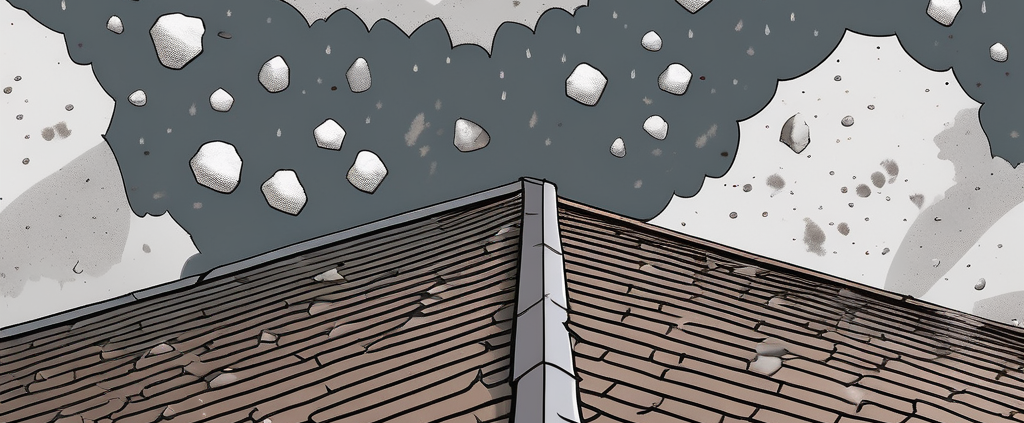
A photograph of a damaged roof with visible hail impact marks

Hail storms can be a devastating force for homeowners in Illinois, leading to significant damage, particularly to roofs. Understanding the implications of these storms is essential for effective remediation and preventive measures. In this article, we will explore the science behind hail formation, how it affects your roof, and crucial post-storm tips for repair and maintenance.

Understanding Hail Storms in Illinois

Illinois is well-acquainted with thunderstorms, and amongst these storms, hail is a notable occurrence. Hail formation involves a complex interplay of atmospheric conditions, leading to the development of ice pellets that can vary significantly in size. These conditions often occur during strong weather systems in the spring and summer months, making awareness essential for homeowners.

The Science Behind Hail Formation

Hail is created when strong updrafts in thunderstorms carry water droplets high into the cold portions of these storm clouds. Here, they freeze and accumulate additional layers of ice as they are tossed around by the wind. Eventually, these ice pellets become heavy enough to overcome the updrafts and fall to the ground as hailstones, which can range in size from tiny pellets to golf ball-sized or even larger.

The size and frequency of hailstones depend on various meteorological factors including the intensity of the storm, temperature, and humidity levels. This helps explain why some areas experience severe hail while others see little to no damage during a storm. In fact, the dynamics of a storm can change rapidly, leading to sudden increases in hail size and intensity, which can catch even the most prepared residents off guard.

Frequency and Severity of Hail Storms in Illinois

In Illinois, hail storms are most frequent in the warm months, notably from April through September. Each year, the state experiences several events that can result in severe hail damage, with the central and southern regions at greater risk. The average hailstone size in Illinois has been increasing due to changing climate patterns, exacerbating the threat to homes and buildings.

According to climatologists, the typical storm in Illinois can produce hail large enough to cause serious damage to roofing materials, automobiles, and crops. High wind speeds during these storms can also amplify the impact of hail, inflicting further destruction on structures. Farmers, in particular, face significant challenges as hail can devastate entire fields of crops, leading to economic losses that can ripple through local communities and impact food supply chains.

Moreover, the aftermath of a hail storm often requires extensive recovery efforts. Homeowners may find themselves navigating insurance claims, while local governments might need to allocate resources for debris removal and infrastructure repairs. The psychological impact of such storms can also be profound, as residents grapple with the stress of property damage and the fear of future storms. Understanding the patterns and risks associated with hail storms is crucial for effective preparedness, enabling individuals and communities to mitigate the potential damages and safeguard their livelihoods.

How Hail Storms Affect Your Roof

Hail can cause immediate and long-term damage to roofs, varying by material and the severity of the storm. Recognizing and addressing these impacts promptly can enhance the longevity of a roofing system and help avoid costly repairs.

Immediate Effects of Hail on Roofing Materials

Immediately following a hail storm, homeowners should inspect their roofs for visible damage. Popular roofing materials react differently to hail; for example, asphalt shingles may show dents and granule loss, while metal roofs can suffer from significant dents.

Moreover, hail can lead to the development of cracks in shingles, allowing moisture to infiltrate and cause further damage. For roofs with single-ply membranes, hail can create punctures that compromise the integrity of the roof, leading to leaks and costly repairs.

In addition to the visible damage, hail can also impact the structural integrity of the roof. The force of the hailstones can displace or loosen flashing, which is critical for directing water away from vulnerable areas. This displacement can create pathways for water intrusion, increasing the risk of leaks that may not be immediately apparent but can lead to significant issues over time. Homeowners should consider enlisting professional help for a thorough inspection, as trained eyes can often spot damage that may go unnoticed by the untrained observer.

Long-Term Damage Caused by Hail Storms

Over time, the damage from hail can elude immediate detection, making it crucial for homeowners to understand the long-term implications. Deterioration of roofing materials can accelerate, resulting in reduced insulation value and increased energy costs.

In addition, prolonged exposure to UV radiation after hail damage can lead to further degradation of roofing materials, increasing the risk of roof failure during future storms. Such cumulative effects can significantly shorten the lifespan of the roofing system if left unaddressed.

Furthermore, the long-term effects of hail damage can extend beyond just the roof itself. Water infiltration from damaged roofing can lead to mold growth in the attic and walls, posing health risks to the household. Additionally, if the roof is compromised, it can affect the overall structural integrity of the home, leading to more extensive repairs that could have been avoided with timely intervention. Homeowners should remain vigilant and consider regular maintenance checks, especially after severe weather events, to ensure their roofing system remains in optimal condition and to mitigate potential long-term consequences.

Identifying Hail Damage on Your Roof

Spotting hail damage early can save homeowners significant amounts of money and hassle down the line. While some signs can be visible from the ground, a thorough inspection is often required for a complete assessment.

Signs of Hail Damage from the Ground

Many signs of hail damage can be observed from the ground, making it an accessible first step for homeowners. Look for missing or cracked shingles, as well as any loose granules around your home or in the gutters.

Additionally, if you notice any dents on flashing or vent pipes, these could also be indicators of hail damage. A careful examination of the roof’s surface is essential, especially after a severe storm. It’s also wise to inspect your siding and windows for any signs of impact, as hail can cause damage beyond just the roof. Small pockmarks or cracks on the exterior surfaces can be telltale signs that your home has been subjected to hail, and these issues should not be overlooked.

Professional Roof Inspection for Hail Damage

While initial inspections can provide insight, hiring a professional roofing contractor for a detailed roof inspection is highly recommended. Experienced roofers have the expertise and tools to identify not only surface-level damage but also underlying issues that may not be immediately apparent.

Many professional services often offer free inspections post-storm. They are adept at documenting damages for insurance claims, which can be invaluable in securing coverage for roof repairs. Furthermore, professional roofers can provide guidance on the best materials to use for repairs or replacements, ensuring that your roof is not only restored but also fortified against future weather events. Understanding the nuances of different roofing materials can help homeowners make informed decisions that enhance the longevity and durability of their roofs.

Post-Storm Roof Repair and Maintenance

Taking the right steps immediately following a hail storm can greatly affect the outcome of your roof repair and maintenance. Timely action can mitigate further damage and enhance the efficiency of the repair process.

Section Image

Steps to Take Immediately After a Hail Storm

Immediately after a hail storm, safety should be your priority. Ensure that there are no downed wires or dangerous debris around your home. Then, begin your inspection by assessing your roof from the ground, as mentioned earlier.

If you notice obvious damage or leaks, it is critical to cover these areas with plastic sheeting or tarps to prevent water intrusion while awaiting further repair. Documenting damages with photos can also be useful for insurance purposes. Additionally, it is wise to inspect your gutters and downspouts, as hail can cause significant debris buildup or even dislodge them entirely. Clear any debris to ensure proper drainage, which can help prevent water pooling and subsequent leaks.

Choosing the Right Roofing Contractor for Hail Damage Repair

Selecting a qualified contractor for roof repair is crucial post-storm. Look for a licensed and insured professional with concrete experience in storm damage restoration. Checking reviews and asking for references can provide additional peace of mind.

Make sure to obtain multiple estimates before deciding, and discuss the materials they intend to use, as well as the timeline for repairs. A reputable contractor will also assist in navigating the insurance claim process, ensuring you get the coverage you need. Furthermore, consider asking potential contractors about their warranty policies on both labor and materials. A solid warranty can protect your investment and provide you with peace of mind, knowing that you are covered in case of future issues related to the repair work.

Preventive Measures Against Hail Damage

Preventing hail damage starts with proactive maintenance and using appropriate roofing materials. Making informed decisions can safeguard your home against future storm-related issues.

Roofing Materials Resistant to Hail Damage

When it comes to selecting roofing materials, consider options that offer enhanced resistance to hail damage. Impact-resistant shingles, such as those rated by the Underwriters Laboratories, can provide better protection against hail impacts. These shingles are designed to withstand the force of hailstones, which can vary in size and density, ensuring that your roof remains intact even during severe weather conditions.

Metal roofs also present a durable choice, often outperforming other materials in hail-related scenarios. While they may come at a higher upfront cost, their longevity and durability can prove economical in the long run. Furthermore, metal roofs can reflect heat, contributing to energy efficiency in your home, and they are available in a variety of styles and colors, allowing homeowners to maintain aesthetic appeal while enhancing functional protection.

Other Preventive Strategies to Protect Your Roof from Hail

Besides choosing robust roofing materials, consider additional preventive strategies. Installing a roof with a steeper pitch can help direct hail away from the roof surface, while maintaining gutters and downspouts can facilitate proper drainage after storms. This not only prevents water from pooling but also minimizes the risk of ice dam formation during colder months, which can lead to further damage.

Landscaping for storm wind protection, like planting trees or installing windbreaks, can also be beneficial. Strategically placed trees can act as natural shields against hail, absorbing some of the impact before it reaches your roof. Additionally, regular inspection and maintenance can go a long way in ensuring your roof does not develop vulnerabilities that could be exacerbated by hail storms. This includes checking for loose shingles, ensuring flashing is secure, and addressing any signs of wear or damage promptly.

By understanding the impacts of hail storms and taking appropriate action, homeowners in Illinois can protect their roofs and prolong their lifespan, ensuring their homes remain safe and secure in the face of nature’s challenges. Investing time and resources into these preventive measures not only enhances the resilience of your home but also provides peace of mind, knowing that you are prepared for whatever weather may come your way. Moreover, staying informed about local weather patterns and potential storm warnings can further empower homeowners to take swift action when necessary, reinforcing the importance of being proactive in home maintenance.

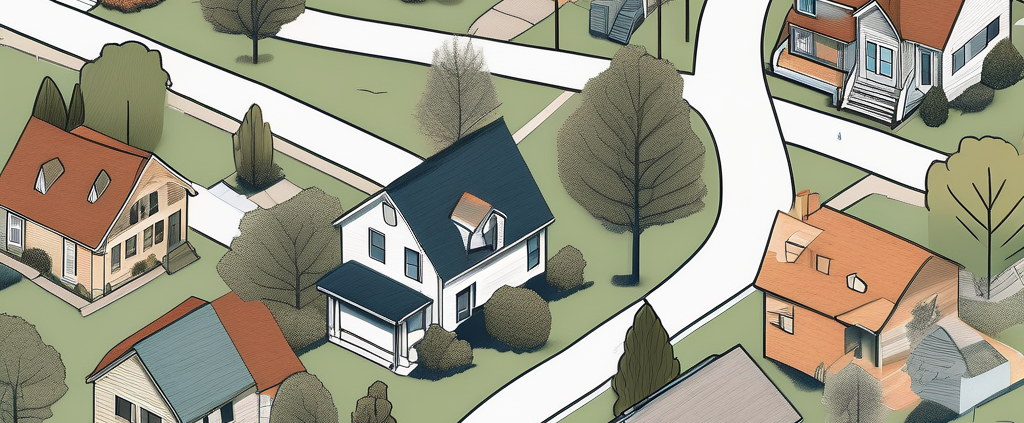
A photograph of a detailed map highlighting various neighborhoods with icons representing siding contractors

When it comes to enhancing the exterior of your home, opting for new siding can be one of the most impactful upgrades you can make. However, finding the right siding contractor is crucial for ensuring the job is done correctly and efficiently. This guide aims to navigate you through the process of selecting the best siding contractor in your area, laying the groundwork for a successful home improvement project.

Understanding the Role of a Siding Contractor

A siding contractor specializes in the installation, repair, and maintenance of siding materials on residential and commercial properties. The role extends beyond merely attaching panels; it encompasses a variety of tasks that require technical knowledge and practical skills. This expertise is crucial in ensuring that the siding not only enhances the aesthetic appeal of a building but also provides essential protection against weather elements such as rain, wind, and snow.

These contractors not only install different types of siding, such as vinyl, wood, fiber cement, or metal, but they also assess the condition of existing siding and carry out necessary repairs. Given the importance of siding in protecting your home from the elements, hiring a qualified contractor is essential. They are also well-versed in local building codes and regulations, ensuring that all installations comply with safety standards and legal requirements, which can vary significantly from one area to another.

Key Responsibilities of a Siding Contractor

The primary responsibilities of a siding contractor include assessing the property, determining the best materials for the project, and executing the installation process. They also prepare the home prior to the installation, which may involve removing old siding and ensuring the underlying structure is sound. This preparation step is critical as it helps to identify any hidden issues, such as water damage or mold, that could compromise the integrity of the new siding.

Once the siding is installed, the contractor may also conduct final inspections to ensure everything meets industry standards. If issues arise, they are responsible for providing solutions, further underscoring their vital role in the overall success of the project. Additionally, many siding contractors offer maintenance services, which can include regular inspections and cleaning to prolong the lifespan of the siding and maintain its appearance, thereby saving homeowners from premature replacement costs.

Importance of Hiring a Professional Siding Contractor

Hiring a professional siding contractor significantly reduces the chances of errors that could lead to costly repairs down the line. Professional contractors bring years of experience, specialized knowledge, and technical skills necessary to tackle various challenges during the installation process. They can also offer valuable insights into the latest trends and technologies in siding materials, helping homeowners make informed decisions that align with their budget and style preferences.

Moreover, a reliable contractor will provide you with a warranty for their work, offering peace of mind that your investment is protected. In contrast, DIY installations might save money in the short term but could lead to complications that demand professional intervention later. Furthermore, professional contractors often have access to better quality materials and tools, which can enhance the durability and performance of the siding, ensuring that it withstands the test of time and weather conditions effectively.

Factors to Consider When Choosing a Siding Contractor

Choosing the right siding contractor requires careful evaluation of several factors. Making the right decision can lead to a seamless experience and ensure your project meets both aesthetic and functional goals.

Section Image

Experience and Expertise

One of the most important factors to consider is the experience and expertise of the contractor. An established contractor with numerous successful projects under their belt is more likely to handle your installation efficiently.

It’s advisable to seek contractors who specialize in the specific type of siding you want to install. Specialized knowledge about materials, tools, and installation techniques can greatly influence the durability and appearance of the finished project. For instance, if you are considering vinyl siding, a contractor with extensive experience in vinyl installations will be familiar with the nuances of working with this material, such as proper expansion and contraction allowances, which can prevent future warping or buckling.

Licensing and Insurance

Before hiring a siding contractor, verify that they are properly licensed and insured. A valid license ensures that the contractor adheres to local regulations and building codes, which can vary by state and municipality.

Insurance is equally important as it protects you from any liability in case of accidents or damage during the installation process. A reputable contractor should provide proof of both licensing and insurance without hesitation. Furthermore, it’s wise to inquire about the specifics of their insurance coverage, including worker’s compensation and liability insurance, to ensure comprehensive protection for both your property and the workers involved.

Reviews and References

Researching reviews and asking for references can provide insight into a contractor’s reputation. Online platforms, such as Yelp and Google Reviews, can help gauge customer satisfaction and quality of work.

Additionally, don’t hesitate to ask contractors for references from previous clients. Speaking to past customers can illuminate what you can expect regarding quality, timeline, and communication throughout the project. It can also be beneficial to visit some of the contractor’s completed projects in person, if possible, to assess the workmanship and see how the siding has held up over time. This firsthand observation can be invaluable in making your final decision.

Questions to Ask Potential Siding Contractors

Once you have narrowed down your choices, it’s crucial to ask potential siding contractors the right questions to further assess their suitability for the project. A thorough inquiry can help clarify expectations and facilitate effective communication.

Inquiring About Past Projects

When speaking to contractors, inquire about their past projects, particularly those similar to yours. Ask them to showcase before-and-after photos or give details about challenges they faced and solutions they implemented.

This will not only demonstrate their experience but also their problem-solving capabilities. A contractor’s track record can often provide insight into how they handle unexpected situations, making it essential for evaluating their fit for your project. Additionally, you might want to ask for references from previous clients. Speaking directly with past customers can provide you with invaluable insights into the contractor’s reliability, quality of work, and professionalism. Don’t hesitate to ask about their overall satisfaction and whether they would hire the contractor again for future projects.

Discussing Costs and Payment Terms

Discussing costs upfront is crucial to avoid any surprises later on. Request detailed estimates that outline labor, materials, and any additional fees. A good contractor will provide a transparent estimate and explain what factors influence pricing.

Additionally, understand the payment terms and schedule. Determine whether the contractor requires a deposit upfront and how payment will be structured throughout the project. Clear terms can prevent misunderstandings and ensure both parties are on the same page. It’s also wise to inquire about the contractor’s policy on changes or additional work that may arise during the project. Knowing how they handle such situations can give you peace of mind and help you budget more effectively, should unexpected costs arise.

Understanding the Project Timeline

Another important aspect to discuss is the estimated timeline for the project. Understanding how long the project will take helps in planning and managing your expectations.

Ask the contractor to outline the key phases of the project, from preparation to final checks. Inquire about any factors that could potentially affect the timeline, such as weather conditions or supply availability. A well-structured timeline is a hallmark of a professional contractor. Furthermore, it may be beneficial to discuss how the contractor plans to communicate progress updates throughout the project. Regular check-ins can help you stay informed and address any concerns promptly, ensuring that the project remains on track and aligned with your vision. This proactive approach can foster a collaborative atmosphere, making the entire process smoother and more enjoyable for both parties involved.

The Process of Hiring a Siding Contractor

The process of hiring a siding contractor can be broken down into several key phases that help streamline your experience, ensuring a successful outcome.

Initial Consultation and Estimate

The first step in hiring a siding contractor involves an initial consultation to discuss your project and gather estimates. This can be conducted either in person or over the phone, depending on the contractor’s policy.

During this consultation, you can share your vision, preferences, and any concerns. A reputable contractor will take the time to listen and provide valuable insights while preparing a preliminary estimate based on your requirements. Additionally, this is an excellent opportunity to discuss various siding materials, such as vinyl, wood, or fiber cement, each offering distinct benefits and aesthetics. Understanding the pros and cons of each option can help you make an informed decision that aligns with your home’s style and your budget.

Contract Review and Signing

Once you decide on a contractor, review the contract carefully before signing. It should include all details such as estimated costs, payment terms, timeline, and warranty information.

Don’t hesitate to ask for clarification on any aspect of the contract that seems vague or confusing. A solid contract will serve as your assurance of the work quality and timeline, protecting both you and the contractor. It’s also wise to inquire about the contractor’s insurance and licensing to ensure they are qualified to perform the work. This step not only protects you from potential liabilities but also gives you peace of mind knowing that you are working with a professional who adheres to industry standards.

Project Execution and Completion

After signing the contract, the project moves into execution, where the contractor will start the installation process. Communication is essential during this phase; regular updates ensure that you are informed of progress and any potential issues.

Upon completion, the contractor should conduct a final walkthrough to ensure that everything meets your expectations and industry standards. A reliable contractor will address any concerns you have and ensure you are satisfied with the completed work before final payment is made. Furthermore, it’s beneficial to ask about maintenance tips for your new siding, as proper care can extend its lifespan and keep your home looking its best. Understanding the manufacturer’s recommendations and any seasonal considerations can help you maintain the integrity and appearance of your siding for years to come.

In addition, consider documenting the installation process with photos, which can serve as a valuable reference for future maintenance or repairs. This documentation can also be useful if you ever decide to sell your home, as it showcases the quality of work done and the materials used. By taking these extra steps, you not only enhance your home’s aesthetic appeal and value but also ensure a smooth and satisfying experience throughout the siding project.

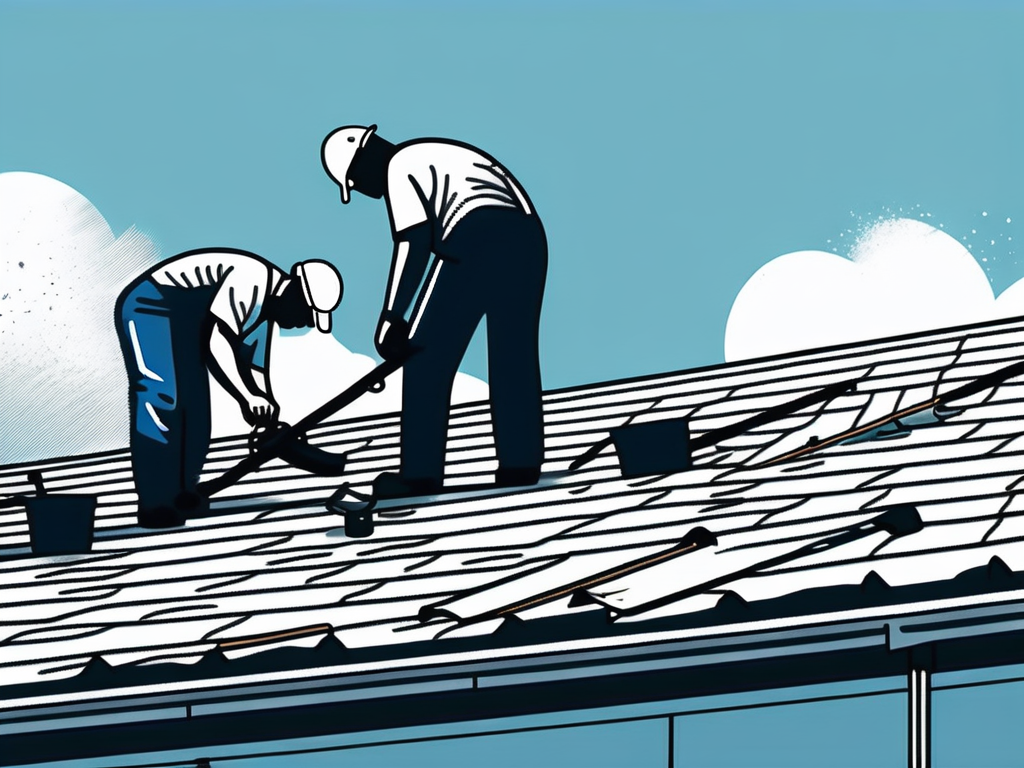
A detailed rooftop scene showcasing a variety of roofing materials and styles

When it comes to maintaining the integrity of your home, the roof is one of the most critical components. A well-maintained roof not only protects your home from the elements but also adds value to your property. Therefore, finding a reliable roofer should be a priority for homeowners. In this article, we will delve into the importance of professional roofing services, provide detailed reviews of local experts, and offer tips on how to find trustworthy roofers in your area.

Understanding the Importance of Professional Roofing Services

Investing in professional roofing services is essential for several reasons. First, experienced roofers have the specialized skills and training necessary to perform a job efficiently and to code. Whether it involves a roof repair, replacement, or maintenance, professional roofers ensure that the work is executed correctly, promoting safety and longevity.

Moreover, professional roofers use high-quality materials and the latest techniques, which can significantly enhance the lifespan of your roof. This means fewer repairs and replacements down the line, which ultimately saves you money and hassle. By utilizing advanced materials such as impact-resistant shingles or eco-friendly options, they can also help improve your home’s energy efficiency, reducing heating and cooling costs while contributing to a more sustainable environment.

The Role of Roofers in Home Maintenance

Roofers play a vital role in home maintenance. They not only install and repair roofs but also perform regular inspections to catch any potential issues before they escalate. A proactive approach to roofing can prevent leaks, mold growth, and structural damage, which are often costly to fix. Regular maintenance checks can also extend the life of your roof, ensuring that minor issues are addressed before they develop into major problems.

Additionally, roofers can provide valuable advice on roofing materials and designs that enhance the aesthetic appeal and efficiency of your home. Their expertise contributes to a well-maintained structure that can resist the elements and endure wear and tear over time. From selecting the right color and style that complements your home’s architecture to recommending ventilation systems that reduce heat buildup, professional roofers offer insights that can transform your living space while ensuring it remains functional and safe.

Key Factors to Consider When Hiring a Roofer

When hiring a roofer, several key factors must be considered to ensure you choose the right professional for the job. It starts with checking their credentials. Ensure the roofer is licensed, insured, and has a good standing in the community. This not only protects you from liability in case of accidents but also indicates a level of professionalism and commitment to quality work.

Another critical factor is experience. Look for a roofer with a proven track record in your area and make sure they are familiar with the specific challenges presented by local climate and building codes. A solid reputation and customer reviews can provide insights into the quality of their work. Furthermore, consider asking for references or viewing previous projects to gauge their craftsmanship. Engaging in direct communication with potential roofers can also reveal their responsiveness and willingness to address your concerns, which is crucial for establishing a trustworthy working relationship.

Detailed Reviews of Top 10 Local Roofers

After assessing numerous roofing companies, we present a detailed review of the ten best local roofers. These professionals have been evaluated based on their service offerings, customer feedback, and value for money.

Each company on our list excels in different areas, ensuring that homeowners have a variety of choices depending on their specific needs, whether it’s a simple repair job or a complete roof overhaul. This diversity in service allows homeowners to find a roofer that not only meets their budget but also aligns with their specific roofing material preferences and aesthetic desires.

Assessment of Services Offered

  • Roof Installation: Most roofers provide new roof installation services using various materials like asphalt shingles, metal, or tiles. Each material has its own benefits; for instance, metal roofs are known for their longevity and energy efficiency, while asphalt shingles are popular for their affordability and ease of installation.
  • Roof Repair: Experienced roofers can quickly identify issues and perform necessary repairs to extend the life of your roof. Common problems such as leaks, missing shingles, or damaged flashing can be addressed efficiently, preventing further damage to the home.
  • Maintenance Services: Routine inspections and maintenance packages help homeowners keep their roofs in optimal condition. Regular maintenance can catch potential issues early, ensuring that minor repairs don’t escalate into costly replacements.
  • Emergency Services: Some companies offer 24/7 emergency services for worse-case scenarios, providing peace of mind. Whether it’s storm damage or unexpected leaks, having access to immediate assistance can be crucial for protecting your home.

Pricing and Value for Money

Pricing can vary significantly among roofers, making it essential for homeowners to understand how to gauge value for money. The lowest price is not always the best deal; consider what is included in the quote. Are materials accounted for? What about warranties and post-service support? Understanding these factors can help homeowners make informed decisions.

Many reputable roofers offer detailed written estimates that break down costs, enabling homeowners to compare services comprehensively. Investing slightly more in a qualified roofer can save a lot in future repairs and maintenance. Additionally, some companies may offer financing options or seasonal discounts, which can make high-quality roofing services more accessible without compromising on quality.

Another important aspect of pricing is the potential for hidden costs. Homeowners should inquire about any additional fees that might arise during the project, such as disposal fees for old roofing materials or costs associated with unexpected structural repairs. Clear communication about pricing and potential extra costs can prevent unpleasant surprises and ensure a smoother roofing experience.

Tips to Find Reliable Roofing Experts in Your Area

Finding a reliable roofing expert can seem daunting, but there are effective strategies to simplify the process. Utilizing both online resources and community recommendations can lead you to quality professionals.

Transparency and thorough research are crucial. Knowing what to look for and how to evaluate potential roofers will empower you as a homeowner. Understanding the importance of credentials, such as licenses and insurance, is essential in ensuring that you hire a qualified individual who adheres to industry standards.

Utilizing Online Resources for Roofer Search

Online resources are invaluable when searching for roofers. Websites like Yelp, Angie’s List, and Google Reviews can provide insights into customer experiences and allow you to see ratings and testimonials for local roofers.

Additionally, many roofing companies maintain social media pages or business websites with galleries of their previous work, customer reviews, and important information about their services. Leverage these tools to create a shortlist of potential candidates. Don’t forget to check for any certifications or affiliations with professional organizations, as these can indicate a commitment to quality and ongoing education in the field.

The Power of Word-of-Mouth Recommendations

While online research is crucial, don’t underestimate the value of word-of-mouth recommendations. Reach out to friends, family, or neighbors who have recently had roofing work done. Personal experiences can provide trustworthy insights that often lead to finding high-quality professionals.

Another effective approach is to check local community boards or online forums. Residents often share their experiences and can guide you to reputable roofers who have served your area well. Engaging with local community groups on platforms like Facebook can also yield valuable recommendations and allow you to ask specific questions about the roofing process, helping you feel more informed and confident in your choices.

Questions to Ask Potential Roofing Contractors

Before hiring a roofing contractor, consider asking specific questions to ensure they are the right fit for your project. These inquiries will help clarify their process and build your confidence in their services.

Section Image

Effective communication is essential, and clarifying expectations upfront can lead to a more satisfying roofing experience. By engaging in open dialogue, you can foster a collaborative relationship that will not only enhance the quality of the work but also make the entire process smoother and more enjoyable.

Verifying Licensing and Insurance

First and foremost, verify that the roofer is licensed and insured. A reputable roofer will provide documentation and be willing to answer any questions about their credentials. This step is crucial, as it ensures that the contractor adheres to local regulations and industry standards, which can significantly impact the quality of the work performed.

Insurance is equally critical. Ensure that the contractor has liability insurance and worker’s compensation to protect yourself from any liability during the project. This verification helps mitigate risks that may arise from accidents or damage during the roofing process. Additionally, it may be beneficial to ask for references from previous clients, as this can provide insight into the contractor’s reliability and professionalism.

Understanding the Scope of the Job

Equally important is understanding the exact scope of the job. Ask the contractor to outline the project timeline, materials to be used, and the specifics of the installation or repair process. This information will keep all parties on the same page and help set realistic expectations regarding project duration and results. Understanding the materials involved is particularly important, as different roofing options can vary significantly in terms of durability, cost, and aesthetic appeal.

In discussions about the scope, inquire about warranties that cover both materials and labor. A good warranty can provide you peace of mind, indicating the roofers’ confidence in their work. Furthermore, it’s wise to ask about the maintenance recommendations post-installation, as proper upkeep can extend the life of your roof and prevent costly repairs down the line. This proactive approach not only protects your investment but also fosters a lasting relationship with your contractor, who may provide valuable insights and support in the future.

Maintaining Your Roof Post-Professional Service

Once your roofing project is complete, maintaining the roof is crucial to prolong its lifespan. Routine maintenance not only enhances durability but also protects your investment over time.

Regular check-ups can identify small issues before they escalate, ensuring your roofing continues to serve its purpose effectively.

Regular Roof Check-ups and Maintenance

Schedule regular inspections, preferably bi-annually or at the start of each season. Seasonal check-ups can help catch any damage caused by extreme weather conditions, accumulated debris, or general wear and tear.

During these check-ups, ensure that the gutters and drainage systems are clear, ensuring rainwater flows smoothly. Clogged gutters can lead to water back-up, causing leaks and structural damage. Additionally, inspect the flashing around chimneys, vents, and skylights, as these areas are often vulnerable to water intrusion. A small crack or gap can lead to significant leaks, so addressing these issues promptly is essential.

When to Call Your Roofer: Signs of Roof Damage

Recognizing the signs of roof damage early on can save you significant repair costs down the line. Look for missing shingles, stains on your ceiling or walls, and granule loss from shingles.

If you notice any of these signs, it’s essential to call your roofer promptly. The faster you address potential issues, the more extensive damage you can prevent, thereby maintaining the integrity of your roof and home. Furthermore, keep an eye out for sagging areas on your roof, which can indicate underlying structural problems. If you find any unusual odors or increased humidity in your attic, it may suggest mold or mildew growth, necessitating immediate professional attention.

In summary, finding the right roofer involves understanding what makes a qualified professional and how to seek reliable recommendations. The investment in a trustworthy roofer guarantees a well-maintained roof that will protect your home for years to come. Regular maintenance not only preserves the aesthetic appeal of your roof but also contributes to your home’s overall energy efficiency, as a well-maintained roof can help regulate indoor temperatures and reduce heating and cooling costs.

© Copyright | Revived Exteriors | *DISCLAIMER: Revived Exteriors, Inc. is neither a broker nor a lender. Financing is provided by third-party lenders unaffiliated with Revived Exteriors, Inc., under terms and conditions arranged directly between the customer and such lender, all subject to credit requirements and satisfactory completion of finance documents. Any finance terms advertised are estimates only. Revived Exteriors, Inc. does not assist with, counsel or negotiate financing, other than providing customers an introduction to lenders interested in financing Revived Exteriors customers.