
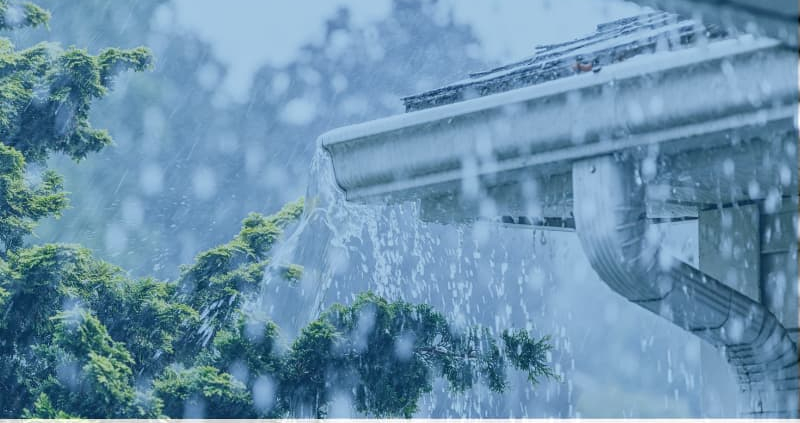
Heavy rains, strong winds, hail, and tornadoes — all this seems to be pretty normal in Illinois. The annual property damage due to hailstorms is $93.5 per 100 residents, which is the 15th highest in the US. The property damage is the 8th highest. Then there are the tornadoes. Though it’s not as bad as some other states (looking at you, Texas and Mississippi), it’s still in the top 4 with 57 tornadoes recorded from January to September 2021.
Needless to say, the folks here understand the importance of storm-proof roofing materials. But that’s hardly enough. As the roof is the first line of defense, it’s very important to know how to protect your home proactively and address any future damage.
The Risks
Alright, we have to begin by understanding the risks of Illinois’ furious storms. We all know that the weather can be a little… unpredictable. One minute it’s sunny and calm, the next like a scene out of a disaster movie: torrential rain, hail the size of golf balls, and winds that could knock you off your feet.
So, out of all the roof repair tips in Illinois, the best tip is to fully comprehend the risks. In other words, you need to know precisely what can leave your roof battered and bruised.
The usual suspects in the lineup are thunderstorms, tornadoes, and even heavy snowfalls. Taken together, these bad boys can cause all sorts of roof damage, from missing shingles and leaks to more serious structural issues.
Building a roof using trustworthy and high-quality storm-proof roofing materials can mitigate some of this risk. But let’s face it—roof maintenance for Illinois weather is no walk in the park.
And if you ignore those problems? Well, let’s just say it’s like ignoring a leaky faucet. It might seem minor at first, but before you know it you’ve got a flooded bathroom and a hefty repair bill.
Before the Storm
They say an ounce of prevention is worth a pound of cure, and that’s especially true when it comes to your roof. You don’t want to wait until a storm hits to start thinking about roof protection.
Generally speaking, there are a lot of requests for emergency roof repair in Illinois but very few people take preventive steps. It’s only after suffering storm damage that folks kind of wise up.
It all begins by scheduling regular roof inspections. If you’re up for it, you can do it yourself. Otherwise, you can get it done professionally. The whole DIY roof repair vs. professional services in Illinois argument is something we’re not going to get into today.
The bottom line is that you need to stick to the inspection schedule. Always remember—the roof might feel fine, but it’s always good to make sure everything is in working order and safe. A good roofer can spot potential problems before they turn into problems.
You wouldn’t drive a car without regular maintenance, would you? Well, your roof deserves the same level of care. Keep those gutters clean, trim any overhanging branches that could cause damage, and consider reinforcing your roof with impact-resistant shingles or other protective measures.
After the Storm
Now, let’s talk about the roof inspection checklist post-storm when the damage is done.
Building a Resilient Roof
We’d be remiss if we didn’t discuss the importance of going beyond just repairs. Hail damage repair in Illinois, for example, can take a serious toll in terms of money and time. Having wind-resistant roofing solutions and a resilient roof in the first place will cut down on that damage by a lot.
The base material is super important. Roof damage signs after Illinois storms include damaged/missing shingles, granule loss, dents and dings, leaks and water stains, and roof sagging. Any commercial roofing company in Chicago will tell you that the most popular material is TPO, followed closely by EPDM and then PVC. These buildings are dominated by metal roofing systems, whereas coatings and low-slope asphalt take a backseat.
But why are we talking about commercial roofing? Well, as it turns out, a survey found that metal is becoming increasingly popular in residential roofing as well. That structural integrity that commercial buildings need when done the right way, can do wonders for your home as well. Here’s what Brian Haraf, the VP of Metal Sales Manufacturing Corporation had to say about that during “Roof Talk,” a program by the Western States Roofing Contractors Association:
“Metal roofing, once relegated to barns and sheds, has seen an increase in popularity in recent years. Customers may have some sticker shock when comparing metal to the pricing of traditional roofing, but the benefits far outweigh the costs.”
Single-ply roofing, steep-slope asphalt, polymer/synthetic roofing asphalt, and low-slope asphalt have all grown in popularity in recent years. Polyurethane foam is also picking up. And all of these can be considered storm-proof roofing materials.
Okay, so the storm has passed, and you’re left wondering if your roof survived the onslaught. First things first, safety is paramount. Don’t climb up on your roof unless it’s absolutely safe to do so. If you’re unsure, leave it to the professionals.
Once you’ve determined it’s safe, start looking for signs of damage. Missing or damaged shingles, leaks, dents, or any other visible issues should be noted. Check your attic for signs of water damage or leaks. It’s also a good idea to document any damage with photos or videos. This comes in handy during roofing insurance claims in Illinois more than you’d expect.
And don’t forget—even the best storm-proof roofing materials can get damaged.
Wrapping Up
And that’s about it—pre-storm, post-storm, and knowing how to tackle the challenges. You can also look into waterproofing roofs in Illinois as that’s a great way to get some protection when urgently required.
No matter how many tornado-proof roofing features your home has, the roof is the single most important point of defense. And it’s not something you can ensure with just the help of the right material. Everything from regular inspections and gutter maintenance for storm season to identifying any water leaking is important.
For good roof durability against Illinois storms, reach out to Revived Exteriors today. With the right knowledge and preventive measures in place, our friendly team can help you shelter through the storm. Call now for a FREE, no-hassle roof inspection!
 Revived Exteriors


 Revived Exteriors