
The Impact of Hail Storms in Illinois to Your Roof: Post Storm Tips
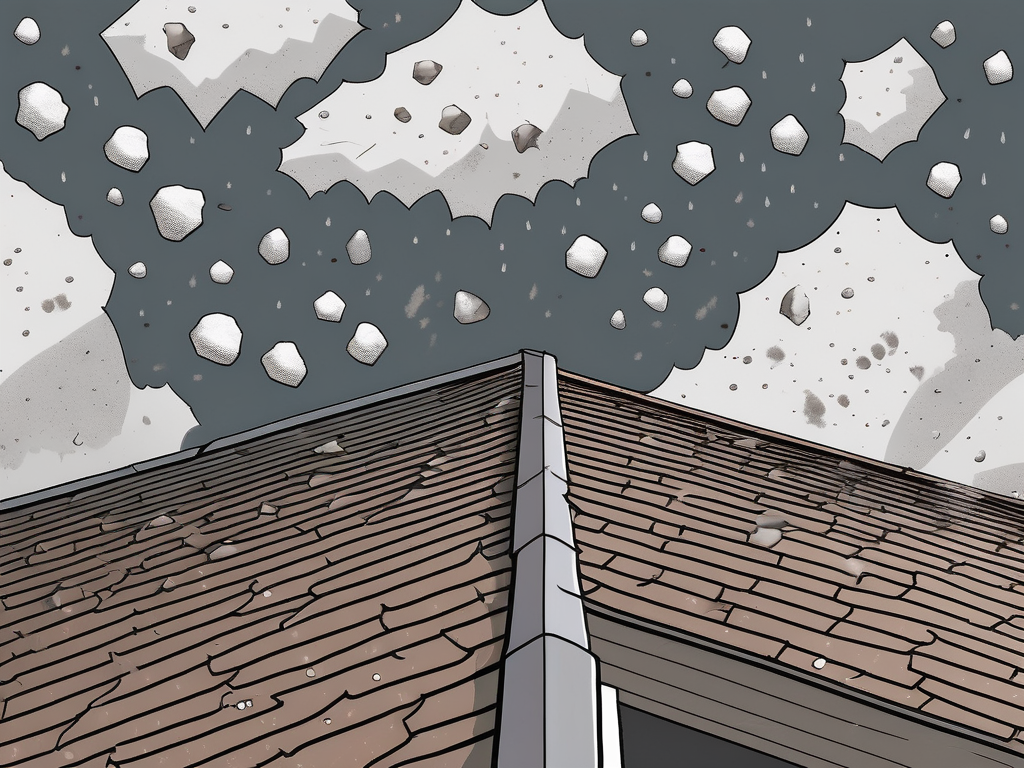
Hail storms can be a devastating force for homeowners in Illinois, leading to significant damage, particularly to roofs. Understanding the implications of these storms is essential for effective remediation and preventive measures. In this article, we will explore the science behind hail formation, how it affects your roof, and crucial post-storm tips for repair and maintenance.
Understanding Hail Storms in Illinois
Illinois is well-acquainted with thunderstorms, and amongst these storms, hail is a notable occurrence. Hail formation involves a complex interplay of atmospheric conditions, leading to the development of ice pellets that can vary significantly in size. These conditions often occur during strong weather systems in the spring and summer months, making awareness essential for homeowners.
The Science Behind Hail Formation
Hail is created when strong updrafts in thunderstorms carry water droplets high into the cold portions of these storm clouds. Here, they freeze and accumulate additional layers of ice as they are tossed around by the wind. Eventually, these ice pellets become heavy enough to overcome the updrafts and fall to the ground as hailstones, which can range in size from tiny pellets to golf ball-sized or even larger.
The size and frequency of hailstones depend on various meteorological factors including the intensity of the storm, temperature, and humidity levels. This helps explain why some areas experience severe hail while others see little to no damage during a storm. In fact, the dynamics of a storm can change rapidly, leading to sudden increases in hail size and intensity, which can catch even the most prepared residents off guard.
Frequency and Severity of Hail Storms in Illinois
In Illinois, hail storms are most frequent in the warm months, notably from April through September. Each year, the state experiences several events that can result in severe hail damage, with the central and southern regions at greater risk. The average hailstone size in Illinois has been increasing due to changing climate patterns, exacerbating the threat to homes and buildings.
According to climatologists, the typical storm in Illinois can produce hail large enough to cause serious damage to roofing materials, automobiles, and crops. High wind speeds during these storms can also amplify the impact of hail, inflicting further destruction on structures. Farmers, in particular, face significant challenges as hail can devastate entire fields of crops, leading to economic losses that can ripple through local communities and impact food supply chains.
Moreover, the aftermath of a hail storm often requires extensive recovery efforts. Homeowners may find themselves navigating insurance claims, while local governments might need to allocate resources for debris removal and infrastructure repairs. The psychological impact of such storms can also be profound, as residents grapple with the stress of property damage and the fear of future storms. Understanding the patterns and risks associated with hail storms is crucial for effective preparedness, enabling individuals and communities to mitigate the potential damages and safeguard their livelihoods.
How Hail Storms Affect Your Roof
Hail can cause immediate and long-term damage to roofs, varying by material and the severity of the storm. Recognizing and addressing these impacts promptly can enhance the longevity of a roofing system and help avoid costly repairs.
Immediate Effects of Hail on Roofing Materials
Immediately following a hail storm, homeowners should inspect their roofs for visible damage. Popular roofing materials react differently to hail; for example, asphalt shingles may show dents and granule loss, while metal roofs can suffer from significant dents.
Moreover, hail can lead to the development of cracks in shingles, allowing moisture to infiltrate and cause further damage. For roofs with single-ply membranes, hail can create punctures that compromise the integrity of the roof, leading to leaks and costly repairs.
In addition to the visible damage, hail can also impact the structural integrity of the roof. The force of the hailstones can displace or loosen flashing, which is critical for directing water away from vulnerable areas. This displacement can create pathways for water intrusion, increasing the risk of leaks that may not be immediately apparent but can lead to significant issues over time. Homeowners should consider enlisting professional help for a thorough inspection, as trained eyes can often spot damage that may go unnoticed by the untrained observer.
Long-Term Damage Caused by Hail Storms
Over time, the damage from hail can elude immediate detection, making it crucial for homeowners to understand the long-term implications. Deterioration of roofing materials can accelerate, resulting in reduced insulation value and increased energy costs.
In addition, prolonged exposure to UV radiation after hail damage can lead to further degradation of roofing materials, increasing the risk of roof failure during future storms. Such cumulative effects can significantly shorten the lifespan of the roofing system if left unaddressed.
Furthermore, the long-term effects of hail damage can extend beyond just the roof itself. Water infiltration from damaged roofing can lead to mold growth in the attic and walls, posing health risks to the household. Additionally, if the roof is compromised, it can affect the overall structural integrity of the home, leading to more extensive repairs that could have been avoided with timely intervention. Homeowners should remain vigilant and consider regular maintenance checks, especially after severe weather events, to ensure their roofing system remains in optimal condition and to mitigate potential long-term consequences.
Identifying Hail Damage on Your Roof
Spotting hail damage early can save homeowners significant amounts of money and hassle down the line. While some signs can be visible from the ground, a thorough inspection is often required for a complete assessment.
Signs of Hail Damage from the Ground
Many signs of hail damage can be observed from the ground, making it an accessible first step for homeowners. Look for missing or cracked shingles, as well as any loose granules around your home or in the gutters.
Additionally, if you notice any dents on flashing or vent pipes, these could also be indicators of hail damage. A careful examination of the roof’s surface is essential, especially after a severe storm. It’s also wise to inspect your siding and windows for any signs of impact, as hail can cause damage beyond just the roof. Small pockmarks or cracks on the exterior surfaces can be telltale signs that your home has been subjected to hail, and these issues should not be overlooked.
Professional Roof Inspection for Hail Damage
While initial inspections can provide insight, hiring a professional roofing contractor for a detailed roof inspection is highly recommended. Experienced roofers have the expertise and tools to identify not only surface-level damage but also underlying issues that may not be immediately apparent.
Many professional services often offer free inspections post-storm. They are adept at documenting damages for insurance claims, which can be invaluable in securing coverage for roof repairs. Furthermore, professional roofers can provide guidance on the best materials to use for repairs or replacements, ensuring that your roof is not only restored but also fortified against future weather events. Understanding the nuances of different roofing materials can help homeowners make informed decisions that enhance the longevity and durability of their roofs.
Post-Storm Roof Repair and Maintenance
Taking the right steps immediately following a hail storm can greatly affect the outcome of your roof repair and maintenance. Timely action can mitigate further damage and enhance the efficiency of the repair process.
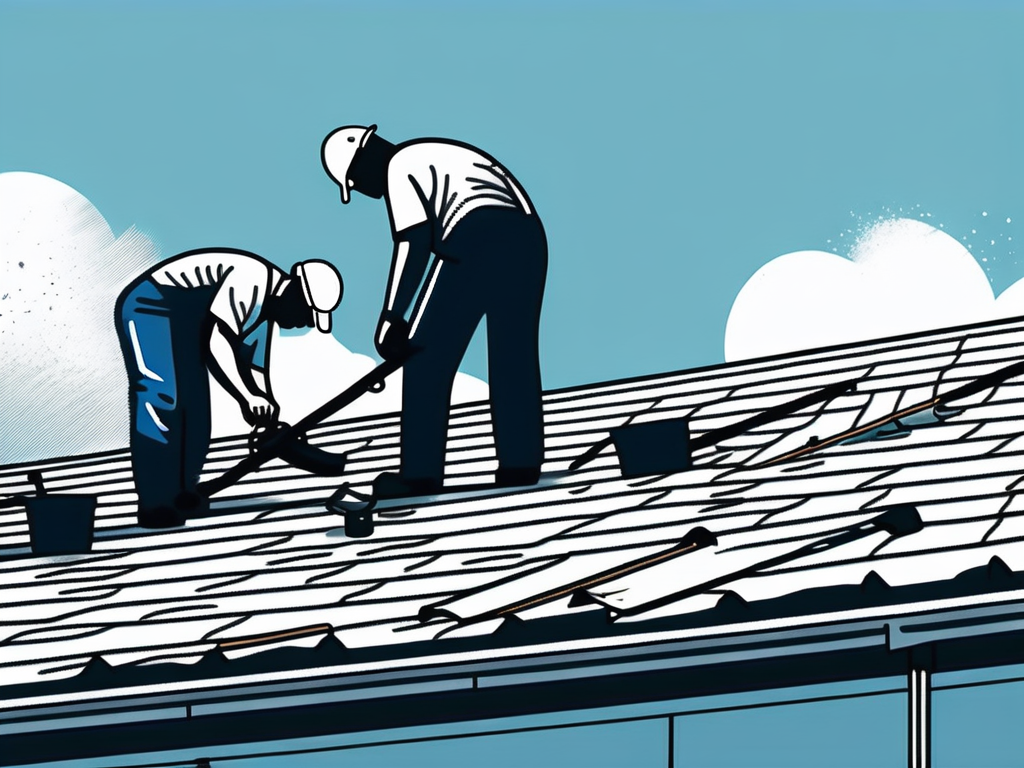
Steps to Take Immediately After a Hail Storm
Immediately after a hail storm, safety should be your priority. Ensure that there are no downed wires or dangerous debris around your home. Then, begin your inspection by assessing your roof from the ground, as mentioned earlier.
If you notice obvious damage or leaks, it is critical to cover these areas with plastic sheeting or tarps to prevent water intrusion while awaiting further repair. Documenting damages with photos can also be useful for insurance purposes. Additionally, it is wise to inspect your gutters and downspouts, as hail can cause significant debris buildup or even dislodge them entirely. Clear any debris to ensure proper drainage, which can help prevent water pooling and subsequent leaks.
Choosing the Right Roofing Contractor for Hail Damage Repair
Selecting a qualified contractor for roof repair is crucial post-storm. Look for a licensed and insured professional with concrete experience in storm damage restoration. Checking reviews and asking for references can provide additional peace of mind.
Make sure to obtain multiple estimates before deciding, and discuss the materials they intend to use, as well as the timeline for repairs. A reputable contractor will also assist in navigating the insurance claim process, ensuring you get the coverage you need. Furthermore, consider asking potential contractors about their warranty policies on both labor and materials. A solid warranty can protect your investment and provide you with peace of mind, knowing that you are covered in case of future issues related to the repair work.
Preventive Measures Against Hail Damage
Preventing hail damage starts with proactive maintenance and using appropriate roofing materials. Making informed decisions can safeguard your home against future storm-related issues.
Roofing Materials Resistant to Hail Damage
When it comes to selecting roofing materials, consider options that offer enhanced resistance to hail damage. Impact-resistant shingles, such as those rated by the Underwriters Laboratories, can provide better protection against hail impacts. These shingles are designed to withstand the force of hailstones, which can vary in size and density, ensuring that your roof remains intact even during severe weather conditions.
Metal roofs also present a durable choice, often outperforming other materials in hail-related scenarios. While they may come at a higher upfront cost, their longevity and durability can prove economical in the long run. Furthermore, metal roofs can reflect heat, contributing to energy efficiency in your home, and they are available in a variety of styles and colors, allowing homeowners to maintain aesthetic appeal while enhancing functional protection.
Other Preventive Strategies to Protect Your Roof from Hail
Besides choosing robust roofing materials, consider additional preventive strategies. Installing a roof with a steeper pitch can help direct hail away from the roof surface, while maintaining gutters and downspouts can facilitate proper drainage after storms. This not only prevents water from pooling but also minimizes the risk of ice dam formation during colder months, which can lead to further damage.
Landscaping for storm wind protection, like planting trees or installing windbreaks, can also be beneficial. Strategically placed trees can act as natural shields against hail, absorbing some of the impact before it reaches your roof. Additionally, regular inspection and maintenance can go a long way in ensuring your roof does not develop vulnerabilities that could be exacerbated by hail storms. This includes checking for loose shingles, ensuring flashing is secure, and addressing any signs of wear or damage promptly.
By understanding the impacts of hail storms and taking appropriate action, homeowners in Illinois can protect their roofs and prolong their lifespan, ensuring their homes remain safe and secure in the face of nature’s challenges. Investing time and resources into these preventive measures not only enhances the resilience of your home but also provides peace of mind, knowing that you are prepared for whatever weather may come your way. Moreover, staying informed about local weather patterns and potential storm warnings can further empower homeowners to take swift action when necessary, reinforcing the importance of being proactive in home maintenance.

 Revived Exteriors


 Revived Exteriors

